Injectable fillers for neck lines have become a popular choice for those seeking a youthful appearance. Over the years, advancements in cosmetic procedures have made it easier to address signs of aging. The neck area often reveals age faster than other parts of the body. Many people now turn to these fillers to smooth out wrinkles and enhance skin texture.
These treatments offer quick results with minimal downtime, making them appealing to busy individuals. Using hyaluronic acid and other substances, these fillers can restore volume and hydration. As more people prioritize self-care, understanding injectable fillers’ benefits is essential. This post will explore how they work and what you can expect from the procedure.
Key Takeaways
- Injectable fillers can effectively reduce the appearance of neck lines, providing a smoother and younger-looking neck.
- Understanding the differences between fillers and Botox is crucial; fillers add volume while Botox relaxes muscles, so choose based on your specific needs.
- Before your appointment, prepare by discussing your goals with your provider to ensure you receive the best treatment plan for you.
- Familiarize yourself with various injection techniques to understand how they impact results; this knowledge can help you feel more comfortable during the procedure.
- Be aware of potential side effects and risks associated with neck fillers, including swelling and bruising, to make informed decisions about your treatment.
- Aftercare is essential for longevity; follow recommended tips to maintain your results and minimize complications.
Understanding Neck Fillers
Composition
Fillers primarily consist of hyaluronic acid (HA). This substance is naturally present in the body. It plays a crucial role in retaining moisture. Hyaluronic acid can hold up to 1,000 times its weight in water. This property makes it effective for skin hydration and volume restoration.
Injectors often choose HA-based fillers for their versatility. They can provide natural-looking results while also being safe for most patients. The body gradually absorbs these fillers over time. This quality allows for adjustments during follow-up treatments.
Off-Label Use
Neck fillers are often used off-label to smooth horizontal neck lines. The FDA has not approved these fillers specifically for this purpose. However, many practitioners utilize them successfully in this area. Patients seek treatment for visible signs of aging on the neck.
Horizontal neck lines can develop due to several factors. These include sun exposure, aging, and repetitive movements. Fillers help reduce the appearance of these wrinkles by adding volume beneath the skin. This technique creates a smoother, more youthful appearance.
Types of Fillers
Different types of HA-based fillers are available for neck treatments. Popular options include Profhilo, Belotero, and Volbella. Each type has unique properties suited for specific needs.
Profhilo is known for its bio-remodeling effect. It spreads evenly under the skin, providing hydration and elasticity improvement.
Belotero offers a smoother consistency that integrates well with the skin. It is ideal for fine lines and superficial wrinkles.
Volbella is designed to add subtle volume while maintaining a natural look. It works well for deeper neck wrinkle depth.
Injectors select fillers based on their experience and patient needs. The choice may depend on the patient’s skin type and desired outcomes.
Treatment Process
The treatment process typically involves several steps. First, a consultation occurs to discuss goals and expectations. The injector assesses the neck area and recommends suitable filler options.
Next, they prepare the injection site. A topical anesthetic may be applied to minimize discomfort. After that, the filler is injected into targeted areas using a fine needle.
Patients usually notice immediate results after treatment. Swelling and bruising may occur but typically resolve within a few days.
Follow-up appointments allow injectors to evaluate results and make adjustments if necessary. Results can last from six months to two years, depending on the type of filler used.
Benefits of Neck Fillers
Smoother Appearance
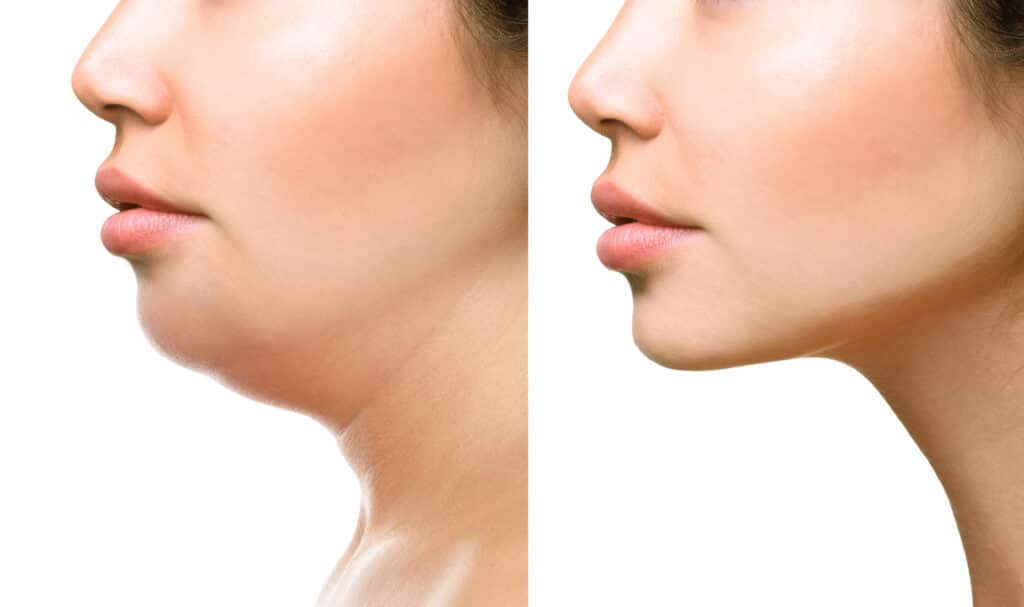
Neck fillers effectively reduce the appearance of horizontal neck lines. These lines can make the neck look older. Fillers restore lost volume and provide a smoother neck profile. Patients often notice immediate improvements after treatment.
These injectable treatments target deep neck lines and vertical neck wrinkles. They fill in the creases, resulting in a more youthful look. Many people report feeling more confident after seeing the results.
Enhanced Skin Elasticity
Fillers can also enhance skin elasticity. This is crucial for addressing thin neck skin that often develops with age. The products used in neck filler treatments stimulate collagen production. Increased collagen helps improve the overall texture of the skin.
Patients with crepey skin texture benefit significantly from this treatment. The added volume makes the skin appear firmer and more supple. As a result, many individuals experience an improvement in their neck rejuvenation results.
Quick Procedure Time
The procedure time for neck filler treatments is relatively quick. Most sessions last about 30 to 60 minutes. Patients can often return to their normal activities right after treatment. This convenience makes it an attractive option for those with busy schedules.
Minimal downtime is another advantage of neck fillers. Side effects are usually mild and temporary. Swelling or bruising may occur but typically resolves within a few days. Many patients appreciate the ability to see results without lengthy recovery times.
Cost-Effectiveness
Neck rejuvenation treatments offer cost-effective solutions compared to surgical options like neck lift surgery. While surgery can be costly and involves significant downtime, fillers provide a less invasive alternative. This affordability allows more individuals to consider enhancing their appearance without breaking the bank.
Long-Lasting Results
Results from neck filler treatments can last anywhere from six months to two years, depending on the product used and individual factors. Regular maintenance sessions help sustain these effects over time. Patients can enjoy a smooth neck and reduced wrinkles without frequent visits.
Comparing Fillers and Botox
Treatment Focus
Dermal filler injections are ideal for treating horizontal neck lines. These lines often appear due to aging and sun exposure. Fillers add volume to the skin, smoothing out these superficial wrinkles effectively.
Botox targets vertical wrinkles caused by muscle contractions. These wrinkles can form from repetitive movements, like looking down at a phone. Botox works by relaxing the muscles, which prevents further deepening of these lines.
Longevity and Cost
Fillers typically last longer than Botox. Most dermal fillers can provide results for six months to two years, depending on the type used and the individual’s skin. This longevity means fewer sessions over time.
Botox usually lasts three to six months. Patients need more frequent treatments to maintain results. While fillers may cost more per session, their longer-lasting effects can balance overall expenses.
Combined Treatments
Combining both treatments can be beneficial. Using fillers and Botox together addresses multiple signs of aging in the neck area. This combination allows for a more comprehensive approach to cosmetic injectables.
For example, using fillers can enhance volume and smooth horizontal lines. At the same time, Botox can reduce vertical wrinkles effectively. Many patients find that this dual approach provides a more youthful appearance.
Considerations
Patients should consider their specific needs when deciding between treatments. Those with primarily horizontal neck lines may prefer fillers. On the other hand, individuals with significant vertical wrinkles might benefit more from Botox.
Consulting with a qualified professional is essential. They can assess individual skin conditions and recommend suitable options. This personalized approach ensures optimal results.
Appointment Process Overview
Consultation Steps
Patients start with a consultation. This meeting helps them discuss their goals and concerns. A qualified professional evaluates the neck area. They will ask about medical history and any previous treatments. This step ensures safety and effectiveness.
Numbing Cream Application
Before injections, professionals apply a numbing cream to the treatment area. This cream reduces discomfort during the procedure. Patients typically wait about 15 to 30 minutes for it to take effect. This preparation makes the experience more comfortable.
Injection Process
The injection process is quick and efficient. Professionals use a fine needle to deliver the filler into specific areas. Patients may feel a sharp pinch during the injection. Each injection lasts only a few seconds, minimizing discomfort. Most appointments take around 30 minutes in total.
Recovery Time
Patients enjoy a brief recovery period after treatment. Many can return to normal activities almost immediately. Some swelling or bruising might occur, but this usually fades quickly. Following post-treatment care instructions helps ensure optimal results.
Types of Fillers Used
Different types of fillers are available for neck lines. Hyaluronic acid-based fillers are common due to their safety and effectiveness. They provide volume and hydration, smoothing out wrinkles. Other options include calcium hydroxylapatite fillers, which stimulate collagen production.
Methods of Application
Several methods exist for applying neck fillers. The most common technique is linear threading, where the filler is injected in a straight line along the wrinkle. Another method is micro-bolusing, which involves injecting small amounts of filler across multiple points for even distribution.
Importance of Follow-Up
Follow-up appointments may be necessary to assess results. These visits allow professionals to determine if additional filler is needed. Patients should schedule follow-ups based on their individual needs.
Preparing for Treatment
Medication Precautions
Patients should avoid blood-thinning medications or supplements before the treatment. Common examples include aspirin, ibuprofen, and certain herbal supplements. Stopping these medications a week prior can help reduce bruising. This precaution is crucial to ensure a smoother recovery process.
Consultation with the dermatologist is essential. Discuss any allergies or previous reactions to treatments during this meeting. Transparency about your medical history helps the practitioner provide safe care. This conversation can also clarify any concerns about the procedure.
Clothing Choices
Wearing comfortable clothing to the appointment is advisable. Loose-fitting attire allows easier access to the neck area. This choice minimizes discomfort during the procedure. Patients should feel relaxed and at ease throughout their visit.
Timing and Units
Understanding the timing of the procedure is important. Most treatments last around 30 minutes to an hour. The exact duration may vary based on individual needs and the number of units required. Discussing these details with your provider can set clear expectations.
Patients might ask how many units are necessary for their specific case. Each person’s skin condition varies, so a personalized assessment is vital. The dermatologist will evaluate the neck lines and recommend an appropriate treatment plan.
Post-Treatment Care
Post-treatment care plays a significant role in achieving optimal results. Practitioners often suggest avoiding strenuous activities for 24 hours after treatment. This helps prevent swelling and ensures better outcomes.
Patients should also refrain from using powerful skin care products immediately after treatment. Harsh chemicals can irritate the skin and affect healing. Following your dermatologist’s aftercare instructions is key to maintaining results.
Finding a Qualified Practitioner
Finding someone experienced in injectable fillers is crucial. Look for a board-certified dermatologist with a solid reputation in cosmetic procedures. Reading patient reviews can provide insight into their skills and approach.
Booking an appointment with a qualified professional ensures safety and effectiveness. A skilled practitioner will address all questions and concerns comprehensively.
In summary, preparing for injectable fillers involves several steps. Avoiding blood thinners, wearing comfortable clothing, and discussing medical history are essential components of preparation. Understanding the procedure’s timing and post-treatment care contributes to successful outcomes.
Injection Techniques Explained
Importance of HA Fillers
Using soft, non-crosslinked hyaluronic acid (HA) fillers is crucial for neck treatments. These fillers provide a more natural feel and appearance. They integrate well with the skin, allowing for smoother results. Non-crosslinked HA fillers are less likely to create lumps or uneven areas. This feature is essential when treating delicate areas like the neck.
The goal is to enhance the skin’s volume without making it look unnatural. Soft fillers help achieve this balance. They allow the injector to mold and shape the area effectively. Choosing the right type of filler can significantly impact the overall outcome of the treatment.
Precision in Injections
Precision is vital during injections for neck lines. An experienced injector must ensure even distribution of the filler. This step helps maintain a natural look after treatment. Uneven injections can lead to noticeable irregularities, which clients want to avoid.
Injectors often use techniques that focus on layering the product. By injecting small amounts at a time, they can assess how the skin responds. This method allows them to adjust as needed, ensuring optimal results.
Proper technique also minimizes potential complications. A skilled injector knows how to navigate sensitive areas around the neck. They understand where to place injections for maximum effect while avoiding blood vessels and nerves.
Use of Microcannulas
Microcannulas are becoming popular in injectable procedures. These tools have a blunt tip that reduces trauma to surrounding tissues. They can minimize discomfort during injections and lower the risk of bruising.
Fine needles are another option for injections. They allow for precise placement of fillers while causing minimal pain. Both methods help improve patient comfort during treatment.
Using these advanced techniques enhances safety and effectiveness in neck treatments. Patients often experience quicker recovery times with fewer side effects.
Combining Techniques
Injectors may combine different techniques for better outcomes. For instance, they might use microneedling or lasers before injecting fillers. Microneedling prepares the skin by creating tiny channels for better product absorption.
Lasers can improve skin texture and tone, enhancing overall results from injectables. Combining these methods can lead to more youthful-looking skin on the neck.
In summary, understanding injection techniques is essential for effective treatment of neck lines. The choice of soft HA fillers, precision in injections, and advanced tools like microcannulas all contribute to achieving desired results.
Side Effects and Risks
Common Effects
Injectable fillers can lead to several common side effects. Patients often experience temporary redness at the injection site. Swelling and bruising can also occur. These effects usually resolve within a few days.
e individuals may notice lumps or unevenness in the treated area. These issues typically improve as the filler settles. Most of these side effects are mild and short-lived.
Rare Risks
More serious risks exist, though they are rare. Infection can occur if proper hygiene is not followed during the procedure. Allergic reactions may also happen, leading to swelling or itching.
Choosing a qualified practitioner is crucial to minimize these risks. A trained professional knows how to handle potential complications. They ensure that the procedure is performed safely.
Reporting Symptoms
Patients should be vigilant after receiving fillers. Reporting any unusual symptoms to a healthcare provider immediately is essential. Signs such as severe pain, persistent swelling, or changes in vision warrant prompt attention.
Understanding these potential effects helps patients make informed decisions about their treatment. Awareness of both common and rare risks contributes to safer experiences.
Long-term Considerations
Long-term effects of injectable fillers can vary. Some patients may experience permanent wrinkles if fillers are misused or overused. This can result from excessive loss of volume in the skin over time.
Static wrinkles may also develop as natural aging progresses. Regular maintenance treatments are necessary to maintain results and prevent premature wrinkles.
Importance of Consultation
Consultation with a qualified professional is vital before undergoing treatment. Practitioners assess individual needs and discuss potential outcomes. They can provide information on suitable products, such as hyaluronic acid fillers, which help restore lost volume.
Patients should ask questions about all aspects of the procedure. Understanding what to expect can ease anxiety and lead to better results.
Cost and Value Considerations
Average Costs
The average cost of neck filler treatments is around $400. This price can vary based on the practitioner and location. Most patients find that results last between 4 to 6 months. After this period, repeat treatments are necessary to maintain the desired look.
Patients should plan for these recurring costs when considering neck fillers. Over time, expenses can add up. However, many choose fillers for their immediate effects and minimal downtime.
Comparing Options
Fillers provide a less invasive option compared to surgical procedures. Surgical neck lifts often range from $5,000 to $10,000. They require longer recovery times and carry more risks. Fillers offer a quick solution with less commitment.
While fillers are effective, they may not be suitable for everyone. Patients should weigh the benefits against other options. For some, a combination of treatments may be ideal for achieving the best results.
Practitioner Expertise
Choosing the right practitioner is crucial. Expertise impacts both the safety and effectiveness of the treatment. A skilled injector understands facial anatomy well. This knowledge ensures proper placement of fillers and reduces complications.
Product quality also matters significantly. Not all fillers are created equal. High-quality products tend to yield better results and last longer. Patients should ask about the specific type of filler being used during consultations.
Value Assessment
Considering value involves looking beyond just costs. The effectiveness of fillers in improving skin elasticity plays a key role in satisfaction. Many patients report feeling more confident after treatment.
Evaluating personal needs is essential before deciding on treatment. Each individual has unique concerns regarding their neck area. Some may prioritize smoothness while others focus on overall rejuvenation.
Patients should also consider potential side effects discussed previously. Understanding these risks can help in making informed choices about treatments.
Final Thoughts
Investing in neck fillers can provide significant aesthetic benefits. However, it is vital to approach this decision thoughtfully. By assessing costs, comparing options, and valuing expertise, individuals can make informed decisions.
Aftercare Tips for Longevity
Avoid Strenuous Activities
Post-treatment care is crucial for the best results. Avoid strenuous exercise for at least 24 hours after receiving injectable fillers. This helps reduce swelling and bruising. High-intensity workouts can increase blood flow, leading to more discomfort. Gentle activities, like walking, are acceptable but keep them light.
Sun exposure can also harm your skin after treatment. Stay out of direct sunlight for a day. If you must go outside, wear a wide-brimmed hat or seek shade. Protecting your neck area helps maintain the results of the filler.
Hydration and Protection
Maintaining skin hydration is essential after treatment. Apply gentle moisturizers regularly to keep the skin soft and supple. Look for products that contain hyaluronic acid or glycerin, as they provide extra hydration. These ingredients help in retaining moisture in the skin, enhancing the effect of the fillers.
Using sunscreen is equally important. Apply a broad-spectrum sunscreen with an SPF of 30 or higher daily. This protects treated areas from harmful UV rays. Sun damage can lead to premature aging, which counters the benefits of injectable fillers.
Follow-Up Appointments
Regular follow-up appointments are vital for assessing results. Schedule visits with your provider to monitor how your skin responds to the treatment. These check-ups allow professionals to evaluate if additional fillers are necessary. They can also advise on when to plan maintenance treatments.
Discuss any concerns during these appointments. Providers can offer tailored advice based on individual needs and skin conditions. This ongoing relationship ensures that you achieve optimal results over time.
Additional Considerations
Other factors can affect the longevity of injectable fillers. Staying hydrated by drinking plenty of water supports overall skin health. A balanced diet rich in vitamins and antioxidants promotes better healing and enhances results.
Avoid smoking and excessive alcohol consumption as well. Both habits can accelerate skin aging and diminish the effects of fillers. Prioritizing a healthy lifestyle contributes to the durability of your treatment.
Closing Thoughts
You’ve learned how injectable fillers can transform neck lines, enhancing your overall look. Understanding the benefits, techniques, and aftercare is crucial for a successful experience. Each aspect—from choosing the right filler to managing side effects—plays a vital role in achieving the best results.
Investing in your appearance is empowering. If you’re considering this treatment, consult with a qualified professional to discuss your options. Don’t hesitate to ask questions and express your concerns. Your confidence starts with informed decisions. Take the next step toward a smoother neck today!
Frequently Asked Questions
What are neck fillers?
Neck fillers are injectable treatments designed to reduce the appearance of lines and wrinkles on the neck. They add volume, smooth skin, and improve overall texture.
How long do neck fillers last?
Typically, neck fillers last between 6 to 12 months. Longevity depends on the type of filler used and individual factors like metabolism and lifestyle.
Are neck fillers safe?
Yes, when administered by a qualified professional, neck fillers are generally safe. However, it’s essential to discuss any medical conditions or allergies beforehand.
What is the difference between fillers and Botox?
Fillers add volume and plumpness to areas like the neck, while Botox relaxes muscles to reduce wrinkles. Both treatments can complement each other for optimal results.
How should I prepare for my neck filler appointment?
Avoid blood thinners like aspirin and alcohol at least 24 hours before your appointment. Arrive with clean skin and be ready to discuss your goals with your practitioner.
What are the potential side effects of neck fillers?
Common side effects include bruising, swelling, and redness at the injection site. These typically resolve within a few days but consult your provider if concerns arise.
How can I ensure my neck filler results last longer?
Follow aftercare instructions carefully, stay hydrated, and protect your skin from sun exposure. Regular touch-ups can also help maintain your desired look.