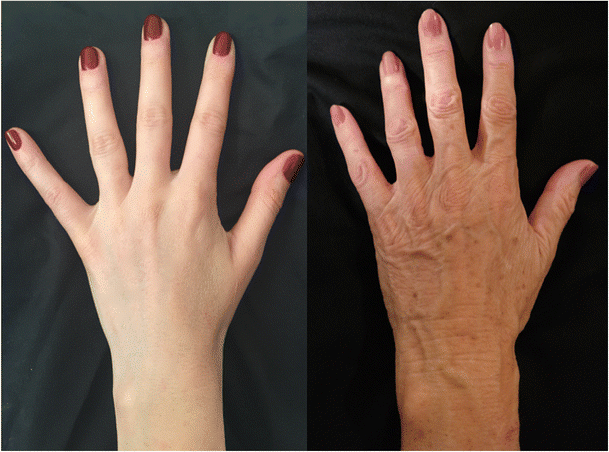
Fat transfer for aging hands is gaining popularity as a solution to restore youthful appearance. Over time, hands lose volume and elasticity due to fat damage and the reduction of subcutaneous fat, making them appear older. This method involves using your body’s own fat to rejuvenate the skin. It’s a natural way to enhance hand contours without synthetic fillers.
Historically, fat transfer has been used in various cosmetic procedures since the 19th century. Today, advancements in techniques like structural fat grafting make fat transfer hand augmentation results safer and more effective with fat tissue. The results are long-lasting and provide a subtle, natural look. Many people are opting for this procedure to boost confidence and improve aesthetics. Embracing fat transfer can be a game-changer for those seeking a youthful glow in their hands.
Key Takeaways
- Consider fat transfer as a viable option to rejuvenate aging hands, as it can restore volume and improve skin texture.
- Research the benefits, including natural results and long-lasting effects, to understand how it can enhance your appearance.
- Prepare for the procedure by consulting with a qualified professional who can assess your needs and discuss expectations.
- Familiarize yourself with the step-by-step process of the procedure to alleviate any concerns you may have about what to expect.
- Follow all recovery and aftercare instructions closely to ensure optimal healing and results.
- Be aware of potential risks and safety measures associated with fat transfer, so you can make an informed decision.
Understanding Fat Transfer for Hands
Definition
Fat transfer is a cosmetic procedure that aims to rejuvenate aging hands. This method uses the patient’s own fat to restore volume and improve appearance. As people age, their hands often lose fat and elasticity. This can lead to a bony or hollow look.
Process Overview
The process begins with hand fat grafting. Surgeons first harvest fat from another part of the body. Common areas include the abdomen or thighs. They use liposuction to extract this fat. After extraction, the fat undergoes processing. The goal is to separate viable fat cells from other fluids and debris.
Once processed, the surgeon reinjects these fat cells into the hands. This is done using small needles for precision. The technique is also known as microlipoinjection or autologous fat transplantation. It allows for targeted placement of fat in specific areas of the hands.
Benefits
Fat transfer has several advantages. It provides natural-looking results because it uses the patient’s own tissue. There is no risk of allergic reactions since it’s an autologous fat graft. Patients often experience minimal downtime after the procedure. Most can return to normal activities within a few days.
Moreover, the results can be long-lasting. Fat cells that successfully integrate into the hand tissue can remain for years. Many patients report satisfaction with their improved hand appearance.
Considerations
There are some considerations before undergoing this procedure. Patients should discuss their medical history with a qualified surgeon. Certain conditions may affect eligibility for hand fat grafting.
There may be temporary swelling or bruising after the procedure. These effects usually resolve within a week or two. Understanding these potential side effects helps set realistic expectations.
Results
The results of fat transfer hand augmentation can vary among individuals. Factors like age, skin quality, and overall health play a role in outcomes. Typically, patients notice smoother and fuller hands shortly after treatment.
Surgeons often recommend follow-up visits to assess results and make any necessary adjustments. Some patients may require touch-ups to maintain desired volume over time.
Benefits of Fat Transfer
Low Allergic Risk
Fat transfer uses autologous fat, which means the fat comes from the patient’s own body. This method greatly reduces the risk of allergic reactions. Unlike synthetic fillers, transferred fat does not trigger immune responses. Patients can feel assured knowing that their body will accept the transplanted fat without complications.
Long-Lasting Results
Fat grafting procedures offer results that can last for several years. Once the fat settles in its new location, it integrates with surrounding tissue. This integration allows for a more stable and enduring outcome. Many patients report satisfaction with their hand appearance long after the procedure.
Natural Appearance
The results of fat transfer provide a natural and soft look to aging hands. The fat distribution mimics the body’s natural contours. Transplanted fat fills in hollows and smooths out wrinkles effectively. This enhances the aesthetic appeal of the hands without looking artificial.
Enhanced Aesthetic Appeal
Fat placement improves not only volume but also skin texture. The procedure hydrates the skin due to the living fat tissue. As a result, hands appear younger and healthier. With fat grafting, many patients feel more confident about their appearance.
Quick Recovery Time
Patients often experience minimal downtime after fat transfer procedures. Most can resume normal activities within a few days. Some swelling or bruising may occur but typically fades quickly. This makes it an attractive option for those seeking rejuvenation without extensive recovery.
Versatile Applications
Fat transfers use can address various concerns beyond aging hands. They can enhance cheeks, lips, and other areas needing volume restoration. This versatility allows patients to achieve comprehensive facial rejuvenation through one method.
Minimal Scarring
The fat harvesting process usually involves small incisions. These incisions lead to minimal scarring compared to traditional surgical methods. The scars often fade significantly over time, making them less noticeable.
Cost-Effective Solution
Fat grafting can be a cost-effective solution for long-term results. While initial costs may seem high, the longevity of the results saves money in the long run. Patients do not need frequent touch-ups as they would with temporary fillers.
Preparing for the Procedure
Medical History
Patients should have an open conversation with their ASDS dermatologist. Discussing medical history is essential. This includes any past surgeries, allergies, or chronic conditions. Understanding these factors helps the doctor evaluate if a fat transfer is suitable.
Medications Disclosure
Disclosing all medications and supplements is crucial. Some substances can affect healing or increase risks during cosmetic procedures. Blood thinners, for example, may lead to excessive bleeding. Patients must provide a complete list of everything they take.
Risks and Outcomes
Understanding potential risks and outcomes is important before proceeding. Fat transfer involves using a syringe to inject fat into thinning skin. While it can provide cosmetic improvement, complications can arise. Possible side effects include swelling, bruising, or infection at the injection site.
Consultation Process
The consultation process allows patients to express their expectations. They should articulate what they hope to achieve from the procedure. Clear communication helps the dermatologist tailor the treatment plan. It also sets realistic expectations about results.
Aftercare Planning
Aftercare planning is part of preparation as well. Patients need to know how to care for their hands post-procedure. Following aftercare instructions ensures better results and reduces recovery time. Proper care helps maintain the cosmetic improvements achieved through fat transfer.
Emotional Considerations
Emotional readiness plays a role in preparing for cosmetic alterations. Patients should assess why they want this procedure and how it fits into their overall self-image. This reflection can help them approach the process with a positive mindset.
Realistic Expectations
Setting realistic expectations is vital for patient satisfaction. Results may vary based on individual factors like skin quality and age. Understanding that results are not permanent encourages patients to consider future treatments or maintenance.
Cost Awareness
Cost awareness is another aspect of preparation. Patients should inquire about the total costs involved in the procedure. This includes fees for consultations, the procedure itself, and any follow-up visits required.
Choosing a Qualified Provider
Choosing a qualified provider enhances safety and satisfaction. Researching credentials and experience can help in selecting an ASDS dermatologist. A skilled professional ensures that all aspects of the procedure are handled effectively.
The Procedure Step-by-Step
Fat Removal
The first step in the fat transfer procedure involves removing fat from a donor area. Common sites include the thighs or abdomen. A surgeon uses liposuction to extract the necessary fat cells. This part of the process typically takes about 30 minutes to an hour.
After the fat is removed, the surgeon carefully prepares it for processing. The amount of fat needed varies based on individual goals and hand size. Surgeons aim to collect enough fat to achieve a fuller appearance in the hands.
Processing Fat Cells
Once extracted, the fat cells undergo a careful processing phase. This step is crucial for ensuring the quality of the fat before injection. Surgeons separate viable fat cells from blood and other fluids. They often use a centrifuge for this purpose.
This device spins the fat at high speeds. It helps to isolate pure fat cells, which are more effective for injection. The processed fat is then placed in syringes, ready for the next step.
Surgeons take great care during this stage. They make sure that only healthy and intact fat cells are used. This increases the chances of successful integration into the hands.
Injecting Process
The final step involves injecting the processed fat into the hands. Surgeons use small needles to ensure precision during this phase. They strategically place injections in various areas for even contouring.
Typically, this part of the procedure takes about 30 minutes. Surgeons may inject fat in layers to achieve a natural look. The goal is to restore volume and smooth out wrinkles or hollows.
Patients often notice immediate results after this step. However, some swelling may occur, which can temporarily mask the final outcome. Over time, as swelling subsides, patients see their true results.
Surgeons usually schedule follow-up appointments to monitor healing. These visits help assess how well the body accepts the transferred fat.
Fat transfer for aging hands is an effective option for many individuals. The procedure enhances appearance and boosts confidence. Understanding each step helps patients feel informed and prepared.
Anesthesia and Pain Management
Anesthesia Types
Topical and local anesthesia are used during the fat transfer procedure. This approach helps minimize discomfort. The doctor applies a topical anesthetic to numb the skin in the area where injections occur. Local anesthesia is then administered to ensure deeper areas are also pain-free.
This method allows patients to remain awake and alert throughout the process. Many dermatologists prefer this technique because it is effective and safe. Patients can feel relaxed knowing that their comfort is a priority.
Procedure Duration
The entire fat removal and injection process is relatively quick. It usually takes about 15 to 35 minutes from start to finish. This short duration makes it easier for patients to fit the procedure into their schedules.
During this time, the doctor carefully extracts fat from a donor area. Common donor areas include the abdomen or thighs. After extraction, the doctor injects the purified fat into the hands.
Discomfort Levels
Patients often report minimal discomfort during the procedure. Effective anesthesia plays a crucial role in this experience. Most individuals describe only slight pressure or tingling sensations.
Dermatologists emphasize that patient comfort is essential. They ensure that patients are informed about what to expect during the process. Knowing that discomfort will be minimal helps ease anxiety before the procedure.
Post-Procedure Care
After the fat transfer, doctors provide specific care instructions. Patients may experience some swelling or bruising at the injection sites. These effects are usually mild and temporary.
Following care guidelines helps minimize any potential discomfort after treatment. Patients should avoid strenuous activities for a few days post-procedure. This allows for optimal healing and results.
Doctor’s Role
Choosing an experienced doctor is vital for successful outcomes. A qualified dermatologist understands how to manage anesthesia effectively. They can tailor the approach based on individual needs and preferences.
An ASDS dermatologist will assess each patient’s unique situation before proceeding with treatment. This ensures that all aspects of anesthesia and pain management are addressed properly.
Recovery and Aftercare
Post-Treatment Care
After the fat transfer treatment, proper care is essential. Ice packs can help reduce swelling and discomfort. Applying ice to the treated area for 15-20 minutes at a time is effective. This method can be repeated several times a day for the first few days.
Patients should avoid applying firm pressure on their hands. Pressing too hard on the injection sites may cause complications. It is important to keep the hands elevated when possible. This position helps minimize swelling.
Side Effects
Temporary side effects are common after the procedure. Bruising, swelling, and redness may occur at the injection sites. These effects usually subside within a few days to weeks. Most patients find that these symptoms are manageable with over-the-counter pain relief.
Monitoring any unusual symptoms is crucial. If severe pain or excessive swelling occurs, contacting a healthcare provider is advised. They can assess whether these symptoms are part of normal recovery or if further action is needed.
Activity Restrictions
Engaging in strenuous activities should be avoided for at least one week after treatment. Heavy lifting or intense workouts can stress the treated area. Gentle movements and light activities are acceptable, but caution is key.
Patients should also refrain from soaking their hands in hot water or swimming pools during recovery. These actions can increase the risk of infection at the injection sites.
Follow-Up Appointments
Scheduling follow-up appointments with a healthcare provider is important. These visits allow for monitoring of the healing process and addressing concerns. Providers can assess how well the fat has integrated into surrounding tissues.
During these appointments, it’s also an opportunity to discuss results and any additional treatments if necessary. Staying in communication with medical professionals ensures a smooth recovery.
Long-Term Care
Long-term care involves maintaining skin health and hydration. Using sunscreen protects hands from sun damage, which can accelerate aging. Moisturizers help keep skin supple and reduce dryness.
Regular hand exercises can improve circulation and maintain flexibility. Simple stretches or movements can enhance overall hand function over time.
Expected Results and Longevity
Initial Appearance
Results from fat transfer for aging hands may vary. Immediately after the procedure, hands can appear overfilled. This happens because of excess fat injected during the process. Patients may notice a plump look that can seem unnatural at first. However, this is temporary. The body will gradually absorb some of the fat over time.
Typically, this adjustment occurs within a few weeks. As the fat settles, the hands will take on a more natural appearance. Many patients feel relieved as they see their hands transform. The final results usually become visible around three to six months post-procedure.
Maintenance Treatments
Fat transfer results are not permanent. Patients may require maintenance treatments to keep hands looking youthful. These follow-up sessions often occur every six to twelve months. Regular maintenance helps sustain optimal results. It also ensures that hands continue to look rejuvenated and full.
e factors affect how long the results last. Individual metabolism plays a role in fat absorption. Lifestyle choices, such as smoking or sun exposure, can also impact longevity. Therefore, maintaining a healthy lifestyle is essential for preserving results.
Long-lasting Nature
Despite needing maintenance, many patients enjoy long-lasting effects from fat transfer. Results can last for several years with proper care and occasional touch-ups. This makes it an appealing option for those seeking youthful-looking hands.
The procedure offers a significant improvement in hand volume and texture. After treatment, many people report feeling more confident in their appearance. They appreciate how their hands complement their overall look.
Patients should consult with their doctor about individual expectations and timelines. Each person’s experience can differ based on various factors, including age and skin condition.
In summary, while initial results may show an overfilled look, this will improve as the body absorbs excess fat. Maintenance treatments are vital for sustaining optimal outcomes. Overall, fat transfer provides long-lasting results that contribute to youthful-looking hands.
Risks and Safety Measures
Potential Risks
Fat transfer for aging hands carries some risks. One potential issue is uneven texture. If the fat does not settle evenly, it can lead to lumps or bumps. This irregularity can affect the overall appearance of the hands. Asymmetry may also occur. This happens when one hand looks different from the other. Both problems can impact how satisfied patients feel with their results.
Another risk involves infection. Any procedure that breaks the skin has a chance of introducing bacteria. Patients must be aware of this possibility. Swelling and bruising are common side effects as well. These usually fade over time but can cause discomfort during recovery.
Choosing a Practitioner
Selecting a qualified practitioner is crucial for minimizing risks. An experienced surgeon understands the techniques required for successful fat transfer. They know how to assess individual needs and plan accordingly. A skilled professional can help avoid complications like uneven results or excessive swelling.
Patients should research potential practitioners thoroughly. Look for board certification and experience in cosmetic procedures. Reading reviews from previous patients can provide insight into their expertise. Trusting someone with a solid reputation increases safety during the procedure.
Aftercare Instructions
Following aftercare instructions is essential for safety and effectiveness. Practitioners usually provide specific guidelines post-procedure. These instructions may include avoiding strenuous activities for a few weeks. Patients should also refrain from exposing their hands to extreme temperatures.
Proper care helps minimize swelling and promotes healing. It allows the fat to integrate smoothly into the surrounding tissue. Not following these guidelines can lead to complications, such as prolonged swelling or uneven results.
Patients should attend follow-up appointments as scheduled. These visits allow practitioners to monitor healing and address any concerns. Open communication with the surgeon is vital during this time.
Pensées de clôture
Fat transfer for aging hands offers a rejuvenating solution to restore volume and youthfulness. You’ve learned the process, benefits, and aftercare involved. This procedure not only enhances your appearance but also boosts your confidence. With proper preparation and care, you can enjoy lasting results.
Consider consulting a qualified professional to discuss how fat transfer can work for you. Take the first step toward revitalizing your hands today. Your journey to a more youthful look starts now!
Frequently Asked Questions
What is fat transfer for aging hands?
Fat transfer for aging hands involves harvesting fat from another body area and injecting it into the hands. This procedure enhances volume, reduces wrinkles, and rejuvenates the appearance of aging skin.
How long does the fat transfer procedure take?
The entire fat transfer procedure typically takes about 1 to 2 hours. This includes both the liposuction process and the injection of fat into the hands.
Is fat transfer for hands safe?
Yes, fat transfer is generally safe when performed by a qualified professional. However, like any medical procedure, it carries some risks, which should be discussed during your consultation.
How long is the recovery period?
Most patients can resume normal activities within a week. However, full recovery may take several weeks as swelling subsides and results become more apparent.
When will I see results from the procedure?
You may notice immediate results after the procedure, but optimal results typically appear after a few weeks once swelling decreases.
How long do the results last?
Results from fat transfer can last anywhere from 6 months to 2 years. Factors such as age, lifestyle, and individual metabolism can influence longevity.
Are there any side effects?
Common side effects include swelling, bruising, and discomfort at both the donor and injection sites. These usually resolve within a few days to weeks.