Key Takeaways
- Eligibility Criteria: Ensure you meet the basic health requirements and consult with a qualified plastic surgeon during the initial consultation to determine if you are a good candidate for the fat removal surgical procedure, liposuction.
- Preparation Steps: Follow pre-surgery guidelines such as avoiding certain medications and maintaining a healthy lifestyle to ensure a smooth procedure for liposuction patients after the initial consultation with plastic surgeons.
- Procedure Insights: Understand the different liposuction techniques available and discuss with your surgeon at the plastic surgery center during your consultation which method is best suited for your needs, including skin tightening in the area.
- Post-Surgery Care: Adhere to aftercare instructions, including wearing compression garments for skin tightening and attending follow-up appointments for liposuction patients to promote healing after the surgical procedure and consultation.
- Risk Awareness: Be aware of potential risks and complications associated with liposuction at the plastic surgery center, and discuss these thoroughly with your surgeon beforehand.
- Financial Planning: Explore liposuction costs and financing options to budget effectively and avoid unexpected skin expenses.
Who Is Eligible for Liposuction
Optimal Weight
Ideal candidates should be within 30% of their optimal weight for lipo. This means they are neither significantly overweight nor underweight. Being close to the target weight ensures better results. Liposuction is not a weight-loss solution but a body contouring procedure for the skin.
Firm Skin
Candidates need firm, elastic skin. This helps in achieving smooth and even results after the lipo fat removal and skin treatment. Loose or saggy skin may not retract well post-lipo surgery, leading to uneven contours.
Good Health
Good overall health is crucial. Candidates must not have any serious medical conditions like heart disease, diabetes, or skin lipo issues. Healthy individuals recover faster and face fewer risks during skin lipo surgery.
Non-Smoking Status
Non-smokers are preferred for liposuction. Smoking can complicate both the surgery and recovery process. It affects blood flow and skin healing, increasing the risk of complications from lipo.
Realistic Expectations
Having realistic expectations is vital. Candidates should understand that liposuction improves body shape but does not guarantee perfection. Unrealistic goals can lead to disappointment post-surgery.
Positive Outlook
A positive outlook towards outcomes is important. Candidates who maintain a positive attitude are generally more satisfied with their results. They also tend to follow post-operative care instructions better after lipo, aiding in smoother recovery.
Preparing for Liposuction Surgery
Medical Evaluation
All liposuction patients must undergo a comprehensive medical evaluation. This ensures the safety of the procedure. Doctors will review your medical history. They check for any underlying conditions that might affect surgery. Blood tests and physical exams are common steps.
Dietary Restrictions
In the weeks leading up to surgery, follow specific dietary guidelines. Avoid foods high in sugar and fat. Eat balanced meals with vegetables, lean proteins, and whole grains. Hydrate well by drinking plenty of water daily.
Medication Adjustments
Certain medications need adjustment before lipo surgery. Stop taking blood thinners like aspirin two weeks prior. Inform your doctor about all medications and supplements you take. Follow their instructions carefully.
Arrange Post-Surgery Support
Arrange for support from friends or family after the surgery. You will need someone to drive you home from the clinic. Having help during the initial recovery period is crucial.
Quit Smoking
Smoking can hinder healing processes and increase risks during plastic surgery. Quit smoking at least four weeks before your scheduled liposuction date.
Plan Recovery Time
Plan to take time off work or school for recovery. Most patients need about one to two weeks to rest and heal properly.
Understanding the Liposuction Procedure
Tumescent Technique
The tumescent technique is a popular method. It involves injecting a large volume of fluid into the fatty tissue. This fluid contains saline, lidocaine, and epinephrine. The saline helps to loosen fat cells. Lidocaine acts as a local anesthetic. Epinephrine reduces bleeding.
This technique offers several benefits:
- Minimized blood loss during the procedure.
- Reduced need for general anesthesia.
- Faster recovery time.
Patients often prefer this method due to its safety and effectiveness.
Ultrasound-Assisted Lipoplasty (UAL)
UAL uses ultrasound energy to break down fat cells. A special probe emits ultrasonic waves. These waves liquefy the fat before removal. The surgeon then suctions out the liquid fat.
Benefits of UAL include:
- Effective for fibrous areas like the back and male chest.
- Less trauma to surrounding tissues.
- Smoother results in some cases.
Doctors recommend UAL for patients with specific needs or body types.
Fat Removal Process
During liposuction, surgeons target specific areas with excess fat deposits. Common areas include the abdomen, thighs, and arms. First, they make small incisions near the targeted area. Then, using a cannula (a thin tube), they suction out the fat.
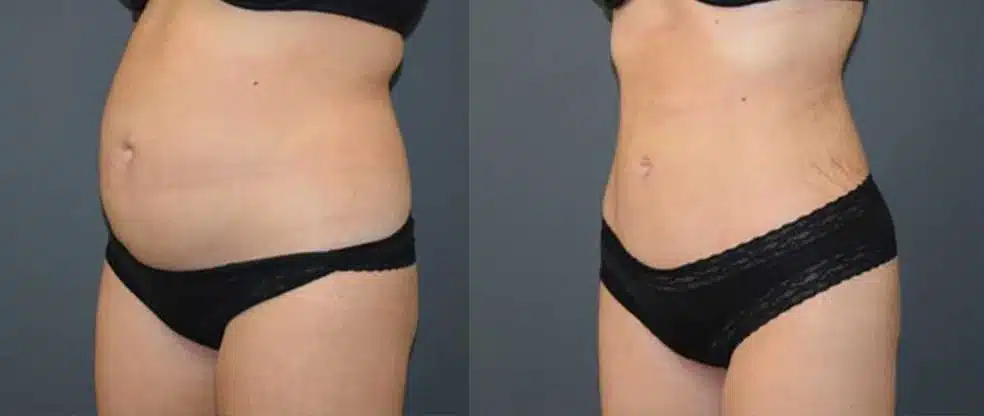
This process enhances body contours by removing stubborn fat pockets that resist diet and exercise. Patients usually see noticeable improvements in their body’s shape post-surgery.
Not a Weight-Loss Solution
It’s important to understand that liposuction is not for weight loss. Instead, it removes localized fat deposits that are hard to eliminate through traditional methods.
Candidates should be close to their ideal weight but struggle with specific areas of fat accumulation. This surgical procedure aims to improve body proportions rather than significantly reduce body weight.
Aftercare and Recovery Post-Surgery
Recovery Timeline
Patients usually need a few days to recover from liposuction. Most can return to light activities within a week. Full recovery may take several weeks. Normal activities, like work or school, are often resumed in one to two weeks.
Post-Surgical Garments
Wearing post-surgical garments is crucial. These garments help control swelling and support the healing process. They also assist in shaping the treated areas.
Common Experiences
Swelling is common after liposuction. It usually peaks within the first week. Numbness around the incisions may occur but will fade over time. Discomfort is also normal and can be managed with prescribed pain medication.
Follow-Up Appointments
Patients should attend all follow-up appointments. The patient coordinator will monitor progress and address any concerns. Regular check-ins ensure proper healing.
Managing Pain and Scars
Pain management is essential for a smooth recovery. Patients should follow their doctor’s instructions closely. Scars from incisions are typically small and fade over time.
Avoiding Complications
To avoid complications, patients must follow post-op instructions carefully. This includes keeping incisions clean and dry. Avoid strenuous activities until cleared by the doctor.
Navigating Potential Risks of Liposuction
Common Complications
Liposuction carries some risks. Infection is a common concern. It can occur if bacteria enter the surgical site. Signs include redness, swelling, and discharge.
Bleeding is another risk. Surgeons take steps to minimize this. However, it can still happen during or after surgery.
Adverse reactions to anesthesia are also possible. These reactions can range from mild nausea to severe allergic responses.
Surgeon Selection
Choosing the right surgeon is crucial. Research their credentials. Ensure they are board-certified in plastic surgery.
Ask about their experience with liposuction. More experienced surgeons tend to have better outcomes.
Check reviews and testimonials from previous patients. This provides insight into their skills and patient care.
Pre-Operative Instructions
Following pre-operative instructions reduces risks. These may include:
- Avoiding certain medications that increase bleeding.
- Stopping smoking weeks before surgery.
- Arranging for someone to drive you home post-surgery.
These steps help prepare your body for the procedure.
Post-Operative Care
Post-operative care is vital for recovery. Follow all instructions given by your surgeon:
- Take prescribed antibiotics to prevent infection.
- Wear compression garments as directed.
- Attend all follow-up appointments for monitoring.
Proper care helps minimize complications and promotes healing.
Open Communication
Maintain open communication with your surgeon. Discuss any concerns before surgery. Understand the realistic expectations of the outcome and potential risks involved.
During recovery, report any unusual symptoms immediately, such as:
- Excessive swelling or bruising
- Severe pain not relieved by medication
- Signs of infection like fever or pus
Early detection of issues prevents serious complications.
Liposuction Costs and Financing Options
Cost Factors
The cost of liposuction can vary. Several factors influence the overall price. The extent of the procedure is a major factor. Larger areas or multiple areas will cost more.
Surgeon’s fees also play a role. Experienced surgeons may charge higher fees. Location matters too. Costs in Nashville might differ from other cities.
Different Types
There are different types of liposuction procedures. Traditional liposuction, laser-assisted, and ultrasound-assisted are common options. Each type has its own cost structure.
Traditional liposuction usually costs less than advanced techniques. However, advanced methods might offer better results or shorter recovery times.
Financing Options
Many clinics offer financing options to make liposuction more accessible. Payment plans allow patients to spread out the cost over time.
e clinics partner with third-party financing companies. These companies provide loans specifically for medical procedures like liposuction.
Deposits and Payments
Clinics often require deposits to secure your surgery date. The deposit amount varies by clinic but is typically a percentage of the total cost.
Patients should ask about payment schedules in advance. Understanding when payments are due helps avoid surprises.
Insurance Coverage
Check with your insurance provider about coverage for liposuction. Most insurance plans do not cover cosmetic procedures. However, if liposuction is deemed medically necessary, some costs might be covered.
For example, if removing excess fat improves mobility or alleviates pain, insurance might help cover it.
Choosing the Right Surgeon in Nashville
Board-Certified Surgeons
Selecting a board-certified plastic surgeon is crucial. Board certification ensures the surgeon has met specific standards. They have completed rigorous training and passed exams. This guarantees they are well-versed in modern techniques and safety protocols.
Board-certified surgeons also stay updated with the latest advancements. This includes new liposuction technologies. Choosing a certified professional reduces risks and improves results.
Experience Matters
Experience is key when choosing a surgeon. Look for those with extensive experience in liposuction. Experienced surgeons have performed numerous procedures successfully. They understand various body types and can tailor the surgery to individual needs.
Surgeons with years of practice know how to handle complications. They can provide better outcomes due to their refined skills.
Before-and-After Galleries
Reviewing before-and-after galleries is essential. These galleries showcase previous patients’ results. They give insight into the surgeon’s aesthetic style and capabilities.
Look for consistent, natural-looking results in these photos. Pay attention to areas similar to your concerns, like chin or knees liposuction. Galleries help you gauge if the surgeon can meet your expectations.
Consultation Importance
Scheduling consultations with multiple surgeons is recommended. Consultations allow you to ask questions and discuss goals. You can assess whether the surgeon understands your needs.
During consultations, observe how comfortable you feel with each surgeon. A good candidate should feel at ease discussing their concerns openly. Comfort and trust are vital for a successful outcome.
Clinic Environment
The clinic environment matters too. Ensure it is clean and well-maintained. A reputable plastic surgery center will prioritize hygiene and patient safety.
Visit the clinic before making a decision. Check if they use state-of-the-art technology for procedures. Advanced equipment often leads to better results and quicker recovery times.
Patient Reviews
Reading patient reviews provides additional insights into a surgeon’s reputation. Look for reviews that mention positive experiences with both the surgeon and clinic staff.
Patients often share details about their overall satisfaction, including pre- and post-surgery care. Consistent positive feedback indicates reliable service.
By taking these steps, you increase your chances of finding the right plastic surgeon in Nashville who meets your expectations:
- Verify board certification.
- Evaluate experience.
- Review before-and-after galleries.
- Schedule multiple consultations.
- Assess clinic environment.
- Read patient reviews.
Choosing wisely ensures a safer procedure with satisfying results.
FAQs About Liposuction
Longevity of Results
Liposuction results can be long-lasting. The procedure removes fat cells permanently. However, remaining fat cells can grow if you gain weight. Maintaining a stable weight helps keep the results.
A healthy lifestyle is crucial. Regular exercise and a balanced diet are essential. Avoid drastic weight fluctuations to preserve your new shape.
Body Contouring vs Weight Loss
Liposuction is not a weight loss method. It targets specific fat deposits to improve body contours. Ideal candidates are near their target weight but have stubborn fat areas.
The procedure addresses localized fat layers. It’s best for those who cannot remove certain fatty tissue through diet and exercise alone.
Dealing with Dissatisfaction
If unsatisfied with liposuction results, consult your surgeon first. Discuss your concerns openly. They may suggest revision surgery or alternative treatments.
Unusual side effects should be addressed immediately. Symptoms like severe pain or infection require prompt medical attention. Always follow post-operative care instructions to minimize risks.
How Much Fat Can Be Removed?
The amount of fat removed varies per patient. Surgeons typically remove up to five liters of fatty tissue safely in one session. Exceeding this amount increases complications risk.
Consult with your surgeon about realistic expectations. Understand that liposuction enhances body shape rather than drastically reducing weight.
Recovery Process
Recovery time varies by individual and extent of surgery. Most patients resume normal activities within a week. Full recovery may take several months as swelling subsides and final results become visible.
Follow all post-op care guidelines strictly. Wear compression garments as advised to reduce swelling and support healing tissues.
Misconceptions About Liposuction
Many believe liposuction is an easy way to lose weight quickly, but it’s not true. It’s designed for body contouring, not significant weight reduction.
Another myth is that fat will never return after liposuction. While the removed fat cells do not regenerate, remaining ones can still enlarge if you gain weight post-surgery.
Summary
Liposuction in Nashville offers a transformative journey for those looking to sculpt their bodies. By understanding eligibility, preparation, the procedure, and aftercare, you can make informed decisions. Navigating costs and choosing the right surgeon ensures you’re in expert hands.
Ready to take the next step? Consult with a trusted Nashville surgeon today to explore your options. Your ideal body is just a consultation away. Don’t wait—start your transformation now!
Frequently Asked Questions
What is the ideal age for liposuction?
Liposuction is suitable for adults over 18. The best candidates are those with good skin elasticity and muscle tone.
How long does the liposuction procedure take?
The procedure usually takes between 1 to 3 hours, depending on the treatment area and technique used.
Can I combine liposuction with other procedures?
Yes, many patients combine liposuction with procedures like tummy tucks or breast augmentation for enhanced results.
How soon can I return to work after liposuction?
Most patients return to work within a week. However, this can vary based on the extent of the surgery and individual recovery rates.
Are the results of liposuction permanent?
Liposuction permanently removes fat cells. However, maintaining results depends on a healthy lifestyle and stable weight.
Is liposuction painful?
Patients may experience discomfort during recovery. Pain is typically managed with prescribed medications and subsides within a few days.
Does insurance cover liposuction costs?
Liposuction is usually considered cosmetic surgery and not covered by insurance. Financing options are available through many clinics.