
Lipoedema, often misunderstood and misdiagnosed, stands as a significant challenge in the medical community. This condition, characterized by the abnormal accumulation of fat in specific areas of the body, eludes many due to its similarity to obesity and lymphedema. However, distinguishing features such as pain, tenderness, and easy bruising set it apart. Addressing lipoedema requires a nuanced approach that transcends conventional weight loss methods; it calls for targeted treatments that understand the unique physiological patterns of fat distribution and retention. As awareness grows, so does hope for those affected—shedding light on this condition paves the way for more effective interventions.
Understanding Lipoedema and Its Impact on Mental Health
Psychological Effects
Lipoedema often leads to mental health concerns. The physical changes can be overwhelming. Many individuals experience anxiety and depression as their body changes in ways they cannot control.
The psychological effect of lipoedema is profound. People feel different from others, which can lead to isolation. They may avoid social interactions due to embarrassment or fear of judgment about their appearance.
Misdiagnosis Issues
Misdiagnosis or late diagnosis worsens mental health struggles. It’s not just about the physical symptoms anymore. The journey to a correct diagnosis can be long and frustrating.
When lipoedema is misdiagnosed, patients may feel hopeless. They’ve sought help but haven’t found relief or understanding from medical professionals. This lack of support has a negative impact on their mental well-being.
Awareness Gap
A significant issue is the lack of awareness around lipoedema.
- Patients often feel alone in their experiences.
- There’s a general lack of understanding among both the public and healthcare professionals.
This contributes to feelings of isolation for those with lipoedema. They struggle not only with their condition but also with finding someone who understands what they’re going through.
Emotional Challenges of Living with Lipoedema
Daily Pain
Living with lipoedema means facing daily pain. This constant discomfort affects not just the body but also the mind. People struggle to maintain a positive outlook when pain is a constant companion. It’s more than physical; it’s an emotional battle too.
The impact on emotional well-being cannot be overstated. Pain disrupts life, making simple tasks difficult and affecting sleep patterns. The result? Increased irritability and stress levels.
Weight Management
Another significant challenge is managing weight. Despite rigorous efforts, losing weight seems nearly impossible for those with lipoedema. This leads to immense frustration and often feelings of failure.
This struggle can trigger a cycle of negative emotions, including anxiety and low self-esteem. People feel trapped in their bodies, unable to make visible changes despite their best efforts.
Feeling Misunderstood
Perhaps one of the hardest aspects is feeling misunderstood by those around them—family, friends, even doctors.
- Family may see it as a lack of effort.
- Friends might not grasp the seriousness.
- Medical professionals sometimes dismiss concerns due to lack of awareness about lipoedema.
This isolation compounds feelings of loneliness and despair, making emotional distress even more pronounced.
Navigating Body Image and Self-Esteem with Lipoedema
Overcoming Negativity
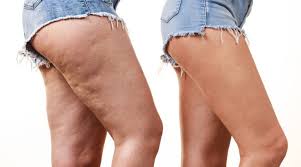
Lipoedema changes how the body looks. This can hurt how someone sees themselves. It’s not just about getting bigger; it’s about dealing with fat lobes and skin folds that don’t go away, even with diet or exercise.
People often feel out of control. They see their body mass index change without eating more. This can lead to feeling helpless against the progression of lipoedema. But, there are ways to fight these feelings.
- Focus on what you can control, like lymph drainage massages.
- Remember, your worth is not tied to your size or shape.
- Seek support from those who understand lipoedema.
Finding Clothes
Looking for clothes when you have lipoedema is tough. Most items aren’t designed for large legs or arms. This makes shopping frustrating and time-consuming.
But some strategies make this easier:
- Look for brands that cater to plus sizes but check their design around thighs and arms.
- Custom tailoring can adjust regular sizes to fit better.
- Comfort should always come first.
Remembering these tips helps reduce stress when shopping.
Handling Judgement
Dealing with comments from others is hard. People might give advice without knowing what lipoedema is.
It’s important to remember:
- Not everyone understands lipoedema; educate them if you feel comfortable.
- You’re allowed to ignore unsolicited advice.
- Surround yourself with people who support you.
Managing Chronic Pain and Fatigue in Lipoedema
Pain Management
Managing chronic pain in lipoedema requires a careful approach. It is crucial to avoid over-reliance on medication. Instead, focus on alternative strategies. These include heat therapy, massage, and compression garments. Each method offers relief without the side effects of drugs.
Heat therapy can soothe discomfort. Massage improves circulation, reducing pain levels. Compression garments support affected areas, easing pain throughout the day.
Activity Balance
Balancing activity and rest is key to managing fatigue effectively in lipoedema patients. Too much activity can worsen symptoms, while too little can lead to stiffness and increased pain.
Create a daily routine that alternates between gentle activities and rest periods. This balance helps maintain energy levels without overstraining the body.
Low-Impact Exercise
Regular low-impact exercise is essential for managing lipoedema symptoms. Exercises tailored to lipoedema are best as they consider the condition’s unique challenges.
Examples of suitable exercises include:
- Swimming
- Cycling
- Walking
- Yoga
These activities improve cardiovascular health without putting excessive pressure on sensitive areas.
Seeking Psychological Support for Lipoedema
Therapy Benefits
Seeking psychological help is crucial for those living with lipoedema. It helps manage emotional support needs effectively. A psychologist can offer tailored advice to combat psychological symptoms linked to the condition.
Therapy provides a safe space to discuss feelings of frustration and sadness. Patients learn coping strategies that improve their mental health. This support is vital in navigating the emotional challenges posed by lipoedema.
Support Groups
Joining a support group offers numerous benefits. Members share experiences, providing mutual understanding and empathy. These groups often share practical advice on managing symptoms.
Support groups foster a sense of community among members with similar struggles. They exchange tips on dealing with chronic pain and fatigue from lipoedema. This peer-to-peer emotional support is invaluable.
Online Resources
The internet is rich with resources for individuals facing lipoedema. Websites and forums offer information, while social media platforms connect users globally.
Online communities provide immediate access to emotional support and care advice 24/7. They also serve as platforms where one can find psychological experiences shared by others, offering comfort in knowing they are not alone.
Holistic Self-Care Approaches for Lipoedema Patients
Balanced Diet
A balanced diet plays a crucial role in managing lipoedema. It helps reduce inflammation and supports overall health. Focus on foods rich in antioxidants, like fruits and vegetables. Avoid processed foods high in salt and sugar.
Incorporating omega-3 fatty acids from sources like fish can also be beneficial. These changes can complement psychological support strategies previously discussed.
Lymphatic Massages
Lymphatic drainage massages are essential for lipoedema patients. They help reduce swelling by encouraging the movement of lymph fluids around the body. Health care providers often recommend regular sessions.
Patients should seek trained professionals for these massages. Doing so ensures they receive proper care without risking further damage to sensitive areas affected by lipoedema.
Mindfulness Practices
Mindfulness and meditation offer significant benefits for stress management among lipoedema patients. Stress exacerbates symptoms, making effective stress-reduction techniques critical.
Simple activities such as deep breathing exercises or yoga can make a big difference. They not only relieve stress but also improve physical well-being, creating a positive feedback loop that enhances overall quality of life alongside other lifestyle advice provided by skin care experts.
Battling Social Stigma and Misconceptions about Lipoedema
Educating Others
Lipoedema is often mistaken for obesity. This confusion leads to stigma and misunderstanding. People need to know the differences.
Lipoedema affects mostly women. It can cause pain, mobility issues, and esteem problems. Unlike simple weight gain, lipoedema involves fat distribution in a distinct pattern. This includes the legs and sometimes arms but rarely affects the hands or feet.
Educational efforts must highlight these distinctions. Health professionals play a key role here. They can provide accurate information during consultations or public awareness campaigns.
Advocacy Efforts
Better representation of lipoedema in media is crucial. It helps combat stereotypes linked to being overweight.
Advocacy groups work towards this goal by engaging with media outlets and policymakers. Their aim is to ensure that stories of individuals with lipoedema are told accurately and compassionately.
Positive self-representation also matters greatly:
- Sharing personal journeys on social platforms
- Participating in community events
- Supporting research initiatives
These actions challenge misconceptions directly.
Confronting Stereotypes
Stereotypes about weight significantly impact those with lipoedema’s social functioning and self-esteem.
To confront these stereotypes, individuals can showcase their abilities beyond their condition’s limitations:
- Engaging in activities that promote mobility despite difficulty.
- Highlighting success stories within the lipoedema community.
Such efforts encourage others to see past superficial judgments tied to appearance alone.
Acceptance and Coping Strategies for Living with Lipoedema
Self-Love Journey
The path to acceptance begins with self-love. It’s crucial for individuals living with lipoedema. Recognizing one’s worth beyond physical appearance fosters a positive mindset. This journey involves daily affirmations and celebrating small victories.
Self-love also means being kind to oneself during flare-ups or setbacks. It includes understanding that progress is not linear. There will be good days and bad days.
Personalized Mechanisms
Developing personalized coping mechanisms is essential. Each person experiences lipoedema differently, so what works for one may not work for another. Keeping a journal can help identify triggers and effective strategies over time.
Some common strategies include gentle exercise, lymphatic drainage massages, and wearing compression garments. These can help manage symptoms effectively.
Supportive Community
Building a supportive community plays a vital role in resilience against lipoedema challenges. This community should uplift and encourage through shared experiences.
Online forums, local support groups, or even social media platforms offer spaces where people can connect over similar struggles.
- They provide emotional regulation strategies.
- They share updates on treatment options.
Having people who understand the journey makes dealing with it less isolating.
Summary
Lipoedema poses significant challenges, impacting mental health, self-esteem, and daily living. This condition, often misunderstood, requires a multifaceted approach for management, encompassing emotional support, pain management, and strategies for navigating societal misconceptions. The journey towards acceptance and coping is pivotal for individuals with lipoedema. They benefit greatly from psychological support and holistic self-care practices that address both physical symptoms and emotional well-being. Battling social stigma and fostering a supportive community are crucial steps in improving the quality of life for those affected. The collective insights from exploring the emotional challenges, management strategies, and the importance of acceptance offer a comprehensive understanding of living with lipoedema.
It’s imperative for healthcare providers, patients, and the wider community to engage in open dialogues about lipoedema. Awareness and education can pave the way for better support systems and treatment options. Individuals are encouraged to seek information, share their experiences, and advocate for further research into this condition. Together, these actions can foster a more inclusive and understanding environment for everyone affected by lipoedema.
Frequently Asked Questions
What is Lipoedema and how does it affect mental health?
Lipoedema is a chronic condition characterized by an abnormal build-up of fat cells in the legs, thighs, and buttocks. It significantly impacts mental health by potentially leading to anxiety, depression, and reduced self-esteem due to body image concerns.
What are the emotional challenges associated with living with Lipoedema?
Individuals with Lipoedema often face emotional challenges such as feelings of isolation, frustration from misdiagnosis or lack of understanding from others, and distress over physical appearance changes.
How can lipoedema affect one’s body image and self-esteem?
Lipoedema can severely impact body image and self-esteem due to noticeable physical changes that don’t respond to traditional weight loss methods. This discrepancy between effort and outcome can lead to negative self-perception.
What strategies help manage chronic pain and fatigue in Lipoedema?
Managing chronic pain and fatigue in Lipoedema involves a combination of lymphatic drainage massage, compression therapy, regular low-impact exercise like swimming or walking, and proper nutrition.
How important is psychological support for individuals with Lipoedema?
Psychological support is crucial for individuals with Lipoedema. It helps address mental health issues related to the condition such as depression or anxiety while providing coping mechanisms for managing symptoms effectively.
Can holistic self-care approaches benefit lipoedema patients?
Yes. Holistic self-care approaches including stress management techniques like meditation or yoga, balanced nutrition tailored for inflammation reduction, adequate hydration along with gentle exercises contribute positively towards symptom management in lipoedma patients.
How can one combat social stigma surrounding Liooedaemae?
Combating social stigma involves educating oneself about the condition thoroughly so misinformation can be corrected confidently when encountered. Engaging in supportive communities also empowers individuals against societal misconceptions.