
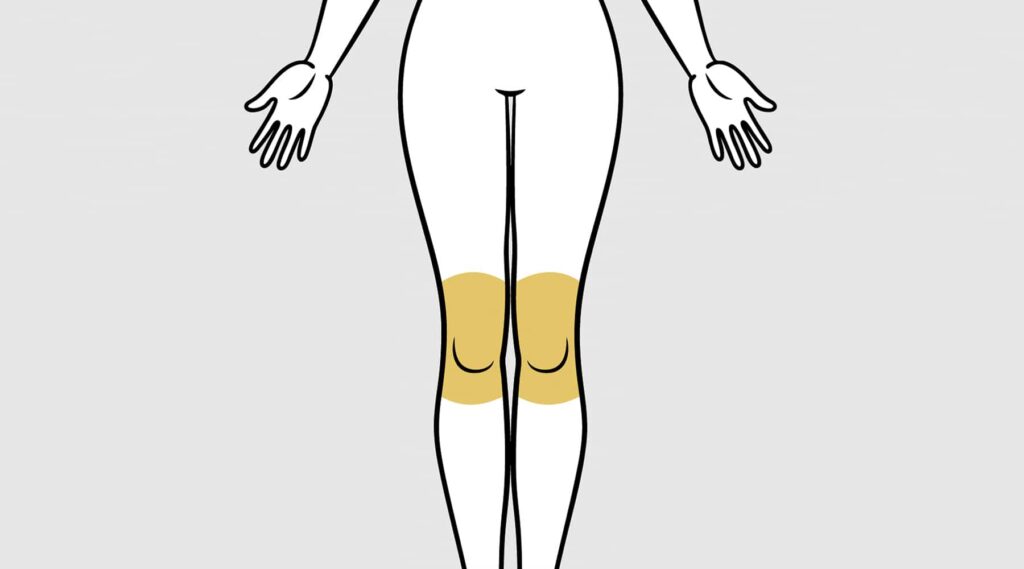
Knee liposuction has emerged as a sought-after procedure for those aiming to sculpt and define the area around their knees, shedding unwanted fat that often resists diet and exercise. This cosmetic surgery can enhance leg contour, offering a more toned appearance while ensuring minimal downtime compared to other invasive methods. With advancements in medical technology, knee liposuction provides a safer avenue for achieving desired aesthetic goals, making it an attractive option for individuals looking to refine their silhouette without significant surgical intervention.
Addressing Aesthetic Concerns in Active Individuals
Leg Aesthetics
Leg aesthetics play a crucial role for athletes and active individuals. The appearance of the legs often reflects one’s dedication to physical activity. However, achieving the desired leg shape can be challenging.
Knee liposuction is an approach that enhances leg symmetry and shape. It targets fat deposits resistant to exercise and healthy diet efforts. This procedure can dramatically improve aesthetic results in the lower body.
Resistant Fat Deposits
Despite rigorous exercise routines, some areas of fat remain stubbornly in place. These are often around the knees, creating an asymmetric body appearance.
Knee liposuction specifically addresses these persistent fat deposits. By removing them, it helps achieve a more balanced look complementing overall body weight and structure efforts. This method supports those at advanced age or with specific aesthetic interests who maintain a healthy lifestyle but struggle with localized fat areas.
- Pros:
- Enhances leg symmetry.
- Targets stubborn fat deposits.
- Improves overall aesthetic appearance.
- Cons:
- Requires recovery time.
- Not a substitute for weight loss or healthy living.
Understanding the Procedure and Recovery Process
Procedure Steps
Knee liposuction involves a series of steps to remove excess fat around the knees. Initially, surgeons perform an analysis of the treatment area. They study your medical history and conduct a physical examination. This ensures the procedure is safe for you.
The actual surgery starts with making small incisions near the knee area. Through these, a cannula accesses and removes unwanted fat. The entire surgical procedure typically takes one to two hours, depending on several factors like fat volume and patient specifics.
Recovery Timeline
Post-surgery recovery varies among individuals but follows a general timeline. Most patients can return to light activities within a few days after their knee liposuction. However, complete recovery might take up to six weeks.
During this period, swelling and bruising are common but gradually decrease over time. Wearing compression garments helps speed up this process by reducing swelling and supporting healing tissues.
Smoother Recovery Tips
For a smoother recovery post-knee liposuction, follow these tips:
- Adhere strictly to your surgeon’s post-operative instructions.
- Keep hydrated and maintain a balanced diet to support healing.
- Avoid strenuous activities that might strain your knees during early recovery stages.
Attending follow-up appointments is crucial for monitoring progress and addressing any concerns promptly.
Safety and Techniques in Body-Contouring Surgery
Advancements in Safety
Recent years have seen significant advancements in the safety of body-contouring surgeries, including knee liposuction. Plastic surgeons now use cutting-edge techniques to minimize risks. These include detailed cadaveric dissection studies which help understand anatomy better.
The introduction of smaller, more precise access incisions has also improved outcomes. This leads to fewer contour irregularities. Moreover, the use of compression garments post-surgery aids in reducing swelling and improving shape.
Certified Surgeons
Choosing a certified surgeon for your knee liposuction is crucial. Certification ensures that the plastic surgeon has undergone rigorous training specifically in cosmetic procedures like liposuction patients require.
A certified plastic surgeon not only brings expertise but also adheres to high safety standards set by bodies like plast reconstr surg or dermatol surg. They are skilled at using small incisions effectively, leading to less visible scars.
Common Techniques
Knee contouring surgeries often employ a combination of excisional procedures and liposuction. The common techniques used include:
- Making small incisions around the knee area.
- Removing excess fat through these incisions using specialized instruments.
These methods allow for precise contouring while minimizing recovery time for plastic surgery patients. It’s essential that individuals follow their surgeon’s advice on wearing compression garments post-procedure to ensure optimal results.
Optimizing Patient Outcomes and Safety
Pre-operative Measures
Before knee liposuction, preparation is key. Patients undergo thorough evaluations. Doctors check their health status. This ensures they are fit for surgery.
Obese patients might face higher risks. They need special attention before the procedure. A healthy diet and some exercise can help reduce these risks.
Health Status Role
A patient’s health significantly affects surgery success. Healthy individuals tend to recover faster with fewer complications.
Doctors often assess potential risk factors like heart disease or diabetes beforehand. This helps in tailoring a safer approach to each patient, whether male or female.
Post-operative Practices
After surgery, following doctor’s orders is crucial for maintaining results.
Patients should:
- Wear compression garments as advised.
- Avoid strenuous activities during recovery.
- Attend follow-up appointments without fail.
Ignoring these practices might lead to adverse outcomes such as thromboembolism or unsatisfactory results.
Specific Considerations for Athletes
Athletic Performance
Knee liposuction can have a significant impact on an athlete’s performance. It may improve the flexibility and speed of athletes by reducing weight around the knees. However, it also poses risks such as injury to muscles or fluid imbalance.
Athletes must discuss these potential impacts with their surgeon beforehand. They should weigh the pros and cons carefully. For example, reduced fat might lead to better movement but could risk muscle damage if not done correctly.
Surgery Timing
Timing is crucial when considering knee liposuction for athletes. The best time is usually off-season or during a break in training schedules. This allows enough time for surgery and recovery without disrupting athletic performance.
Athletes should plan their surgery around sports seasons or important competitions. This ensures they do not miss essential training periods or games.
Rehabilitation Plan
A tailored rehabilitation plan is vital for athletes post-surgery. It helps them recover faster and return to their sport safely.
The rehab program should focus on strengthening muscles around the knees and improving flexibility. Athletes might need specific exercises that target these areas more than others would.
It’s important that this rehabilitation plan considers the athlete’s sport and position within it—for instance, runners may require different rehab focuses compared to basketball players.
Benefits of Knee Liposuction for Athletic Legs
Enhanced Definition
Knee liposuction can significantly improve the appearance of an athlete’s legs. It removes fat from around the knees. This highlights the vastus lateralis and other leg muscles. Athletes often seek this procedure to achieve a more toned look.
The removal of excess fat allows for better visibility of muscle contours. For example, runners may find that knee liposuction enhances the definition of their lateralis muscles. This makes their legs look more athletic and defined.
Improved Proportionality
Achieving balance between different parts of the leg is another benefit. Knee liposuction helps create a smoother transition from thighs to calves. Many athletes struggle with disproportionate fat distribution in these areas.
After this procedure, there’s often a noticeable improvement in how thigh, knee, and calf sizes relate to each other. For cyclists or soccer players who rely heavily on their legs, improved proportionality can also mean better aesthetics in sportswear.
Increased Mobility
A less obvious advantage is potential gains in mobility and comfort during movement.
- Removing excess fat around knees might reduce friction.
- This could lead to increased ease when running or jumping.
Athletes such as basketball players or track runners might experience enhanced performance due to reduced weight and increased freedom of movement post-surgery.
Postoperative Management and Care
Surgery Aftercare
After knee liposuction, postoperative care is crucial. It begins immediately following surgery. Patients might receive antibiotic prophylaxis to prevent infections. Also, managing swelling and pain is key.
Doctors often advise wearing compression garments. These help reduce swelling and support healing knees. Keeping the legs elevated can also decrease swelling.
Follow-Up Visits
Scheduling follow-up appointments with your surgeon is vital for recovery. During these visits, the surgeon checks on the healing process. They ensure there are no complications like infections or improper fluid management.
These appointments are opportunities to ask questions about the recovery phase. The surgeon can adjust care plans based on individual progress.
Healing Expectations
Understanding what to expect during healing helps manage expectations. Initially, there might be bruising, swelling, and discomfort around the knees.
Pain control measures include medications prescribed by your doctor or over-the-counter options approved by them. Full recovery takes time, patience is necessary.
- Recovery tips:
- Rest adequately but move as advised to prevent blood clots.
- Stay hydrated for better healing.
- Follow dietary guidelines provided by your healthcare team.
Other Fat Reduction Treatments for Knees
Non-Surgical Options
Non-surgical alternatives offer less invasive ways to reduce fat deposits around the knees. These methods do not require incisions or significant recovery time. Examples include:
- CoolSculpting
- Radiofrequency treatments
- Ultrasound fat reduction
CoolSculpting freezes and kills fat cells, which are then naturally eliminated from the body. Radiofrequency treatments heat deep layers of skin, encouraging fat breakdown and collagen production. Ultrasound techniques target and destroy fat through sound waves.
Each method varies in effectiveness and suitability. Factors such as skin elasticity, amount of excess fat, and individual health conditions play a role in determining the best option.
Comparing Results
The results of non-surgical treatments versus liposuction can differ significantly. Liposuction directly removes fat cells from the knee area, offering more immediate and noticeable changes. However, it requires recovery time due to its invasive nature.
Non-surgical methods gradually reduce fat over several sessions without downtime but may not achieve as dramatic results as liposuction on large fat deposits.
Choosing between these options depends on personal preferences for recovery time, cost, and desired outcome. Those seeking subtle improvements may prefer non-surgical routes while individuals looking for significant changes might opt for liposuction.
Understanding one’s own needs is key to selecting an effective treatment plan for reducing unwanted knee fat.
Closing Thoughts
Knee liposuction emerges as a viable solution for individuals seeking to address aesthetic concerns, particularly in the context of enhancing athletic legs. The procedure, underscored by advancements in safety and technique, offers a tailored approach to body contouring that prioritizes patient outcomes and safety. For athletes, it presents an opportunity to refine leg contours without compromising physical performance, supported by a comprehensive postoperative management plan. The exploration of alternative fat reduction treatments further underscores the commitment to providing options that align with patient needs and expectations.
The decision to pursue knee liposuction should be informed by a thorough understanding of the procedure, recovery process, and potential benefits. Individuals considering this form of body contouring are encouraged to consult with experienced professionals who can offer insights tailored to their specific situation. This step ensures that patients are well-informed, facilitating a decision that aligns with their aesthetic goals and lifestyle requirements.
Frequently Asked Questions
What is knee liposuction?
Knee liposuction is a cosmetic procedure aimed at removing excess fat around the knee area to enhance leg contour, particularly beneficial for individuals seeking more defined leg aesthetics.
How long does recovery from knee liposuction take?
Recovery time varies but typically ranges from one to two weeks. Patients are usually advised to limit strenuous activities during this period to ensure optimal healing.
Is knee liposuction safe?
Yes, when performed by a qualified and experienced surgeon, knee liposuction is considered safe. The procedure employs advanced techniques to minimize risks and optimize patient safety.
Can athletes benefit from knee liposuction?
Absolutely. Athletes looking for improved leg contours or experiencing discomfort due to excess fat around the knees may find significant benefits from undergoing knee liposuction.
What are the benefits of knee liposuction for athletic legs?
The primary benefit includes enhanced muscle definition and aesthetic improvement, which can potentially lead to increased mobility and performance in some athletes.
How should I manage postoperative care after getting knee liposuction?
Postoperative care involves wearing compression garments, avoiding intense physical activity for a specified period, and following your surgeon’s instructions closely to promote healing and reduce swelling.
Are there alternative fat reduction treatments for knees besides liposuction?
Yes, other non-invasive options like cryolipolysis (fat freezing) or laser treatments are available for reducing fat around the knees without surgery.