Understanding Jawline Fillers
Filler Basics
Jawline fillers are injectable treatments, a cosmetic procedure designed to enhance the contour of the jaw, target the injection site for rejuvenation, and reduce the appearance of a double chin. They primarily target fine lines, nasolabial folds, and improve the overall shape of the jawline, reducing double chin through cosmetic procedures on the skin.
Fillers work by adding volume beneath the skin, making the jaw appear more defined. The laser treatment process is quick, usually taking less than an hour, with each step completed on-site.
Filler Types
Two main types of fillers are popular for jawline enhancement: hyaluronic acid and calcium hydroxylapatite.
Hyaluronic acid is known for its ability to retain moisture, which makes it excellent for adding volume. Calcium hydroxylapatite, on the other hand, is denser. It provides a more pronounced lift to the jawline area, addressing skin lines with laser and filler techniques.
Professional Consultation
Consulting with a qualified healthcare provider is crucial before deciding on any filler treatment for skin, jaw lines use.
They can help determine which type of filler treatment will best suit your needs for skin, jaw lines. This decision depends on several factors, including your skin type, the degree of enhancement desired, any potential allergies, and the specific treatment, such as filler for the jaw, in CA.
Benefits of Jawline Enhancement
Defined Appearance
Jawline fillers offer a more defined and contoured jaw. They add filler to the jaw and skin where it’s needed, creating a sharper look in CA. This skin filler can balance facial features and make the jaw stand out.
People often notice their skin and jaw look more structured after filler treatment. It’s not just about adding volume with filler; it’s about sculpting the skin and jaw in a way that highlights natural beauty.
Boosted Confidence
The changes can significantly boost self-confidence. A well-defined jaw, often enhanced with skin filler, is seen as a sign of attractiveness. After enhancement, many feel more satisfied with their appearance.
This satisfaction goes beyond just liking what they see in the mirror, including their skin, jaw, and filler. It can improve how they carry themselves and interact with others. A small change in the jawline, possibly with skin filler, can make a big difference in overall self-esteem.
Minimally Invasive
Unlike traditional cosmetic surgery, jawline fillers are minimally invasive. There’s no need for long recovery periods or general anesthesia. Most people can return to their daily activities immediately after the skin or jaw filler procedure.
This makes jawline fillers an attractive option for those wary of surgery and concerned about skin. They provide a way to achieve significant aesthetic improvements in the jaw without the risks associated with surgical interventions, using filler.
Jawline Filler Procedure Explained
Consultation Phase
The journey toward a more defined jawline begins with a consultation. Here, patients discuss their goals with a healthcare provider. They assess the jawline area to determine the best approach for filler.
Providers tailor plans to individual needs. They consider factors like facial structure and desired outcomes.
Injection Process
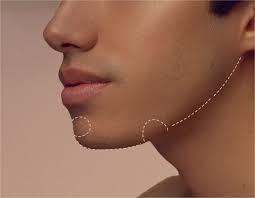
During this phase, precision is key. The provider marks specific sites along the jawline for filler injections. This ensures symmetry and balance.
The filler injection process for the jaw is relatively quick, often taking less than an hour. Patients usually experience minimal discomfort thanks to numbing agents.
Immediate Aftercare
Post-treatment care is crucial for optimal results. Providers give detailed aftercare instructions which patients must follow closely.
Instructions typically include avoiding strenuous activity and direct sunlight. This helps minimize swelling and bruising in the jawline area after filler.
Follow-Up Visits
A follow-up visit allows the provider to assess healing and results. It’s an opportunity to address any concerns or adjustments if necessary.
Patients appreciate the minimal downtime required post-procedure. Most return to their daily activities almost immediately.
Cost Analysis of Jawline Fillers
Influencing Factors
The cost of jawline fillers varies widely. Location plays a significant role. Urban areas often charge more due to higher demand and operational costs.
The practitioner’s expertise also impacts the price. Highly experienced professionals may charge more, but they bring precision and safety to the jaw filler procedure.
Lastly, the type and amount of filler used can affect the cost. Different materials and brands come with varying price tags. More filler means a higher price.
Price Range
Expectations for potential patients start around $700. However, prices can soar into the thousands depending on the factors mentioned above. It’s crucial for patients to consult with their provider for an accurate quote.
Insurance Coverage
Jawline fillers are elective treatments. This means they’re usually not covered by health insurance plans. Patients should budget accordingly, considering this is an out-of-pocket expense.
Comparing Jawline and Chin Fillers
Targeted Areas
Jawline fillers focus on the lower part of the face. They enhance the jaw’s outline with filler, creating a more defined look. This treatment can also minimize the appearance of a double chin by adding structure with filler.
Chin fillers, however, aim at the front part of the chin. They adjust its projection and symmetry. These fillers can balance facial features, making them more harmonious.
Aesthetic Goals
The goal of jawline fillers is to create a sharper, more pronounced jawline. This can lead to a youthful appearance by reducing sagging skin, nasolabial folds, and using filler.
Chin fillers seek to improve facial balance by enhancing chin shape and size. They make the face look longer or rounder, depending on individual needs, with filler.
Comprehensive Enhancement
Combining jawline and chin fillers offers a holistic approach to facial aesthetics. It addresses multiple areas for a cohesive enhancement. This combination, including filler, can significantly impact one’s appearance, offering both profile improvement and frontal aesthetic balance.
A personalized plan is crucial for achieving desired outcomes. It considers unique facial structures and aesthetic goals. Laser treatments may complement this approach for optimal results.
Longevity and Maintenance Tips
Duration Factors
Jawline filler results last between one to two years. The longevity depends on the type of filler used and an individual’s metabolism. Hyaluronic acid fillers, popular for their natural look, often have a shorter lifespan than other types.
Factors such as lifestyle and age also play a role. Younger individuals might notice their fillers lasting longer due to slower metabolic rates.
Maintenance Tips
To extend the life of jawline fillers, avoiding excessive sun exposure is crucial. UV rays can break down the filler material faster, leading to premature aging.
A healthy lifestyle benefits not just your overall well-being but also maintains your filler results. Drinking plenty of water, eating a balanced diet rich in vitamins, and regular exercise help keep the skin firm and elastic.
Using a high-quality moisturizer can also prevent dryness and keep the skin supple. Look for products recommended by your provider that complement your skin type.
Touch-Up Treatments
Periodic touch-ups are often necessary to maintain the desired contour of the jawline. These treatments can range from minor adjustments to full reapplication, depending on how your body absorbs the filler and your aesthetic goals.
Discussing a maintenance plan with your provider ensures you understand when and what kind of procedures will help keep your look fresh and rejuvenated.
Potential Side Effects
Common Risks
Patients considering jawline fillers should be aware of common side effects. These include swelling, bruising, and redness at the injection site. Such reactions are typically mild and resolve on their own within a few days.
Others may experience more discomfort, but these symptoms usually fade quickly. It’s important for patients to follow post-treatment care instructions to minimize these effects.
Serious Concerns
Although rare, there is a chance of more serious complications. These can occur if the procedure is not performed by a qualified healthcare provider. Issues might involve infection or improper placement of the product.
Patients should research their chosen professional’s experience and qualifications thoroughly. This reduces the risk of encountering severe side effects.
Medical Attention
Seeking medical attention becomes necessary if concerning symptoms develop post-treatment. Signs to watch for include prolonged swelling, severe pain, or changes in skin color around the treated area.
Prompt consultation with a healthcare provider ensures any issues are addressed swiftly. This step is crucial for maintaining safety and achieving desired results.
Alternatives to Jawline Fillers
Fat Grafting
Fat grafting offers a natural way to enhance the jawline. It involves transferring fat from another part of the body to the jaw area. This method can provide lasting results and a more natural feel. However, it requires a longer recovery time compared to fillers.
Patients often appreciate its dual benefit. They lose unwanted fat in one area while gaining definition in their jawline. Yet, they must be ready for a more invasive procedure.
Thread Lifts
Thread lifts present a minimally invasive alternative. This procedure uses temporary, absorbable threads to lift and sculpt the lower face. It’s less about adding volume and more about redefining contours.
The recovery is quicker than surgery but offers shorter-term results. Still, many find it an appealing middle ground between non-invasive fillers and surgical options.
Jawline Implants
Jawline implants are a surgical solution offering permanent enhancement. They can dramatically alter the shape and size of the jawline.
Though effective, this option comes with risks like infection or implant shifting. Hence, it’s crucial for those interested to understand these potential complications fully.
A thorough consultation with a healthcare provider is essential before deciding. They can help weigh the benefits against the limitations of each option. This ensures individuals choose the best fit for their needs and goals, especially if they’re moving on from considering non-surgical options like fillers due to concerns about potential side effects discussed previously.
Closing Thoughts
Jawline fillers offer a dynamic solution for enhancing your facial structure, providing both aesthetic and confidence boosts. By now, you’ve got a solid understanding of what they entail—from the benefits and procedure to cost considerations and potential side effects. Remember, the goal is to achieve a look that makes you feel like the best version of yourself while weighing the longevity and maintenance of your chosen treatment against its alternatives. Your decision should align with your needs, expectations, and financial plans.
Before diving in, consult with a reputable professional who can tailor their approach to your unique facial contours. This step is crucial for ensuring results that not only look natural but also stand the test of time. Ready to take the next step? Reach out to a certified practitioner today and explore how jawline fillers can redefine your appearance. Let’s embrace this journey towards a more confident you.
Frequently Asked Questions
What are jawline fillers?
Jawline fillers are injectable treatments used to enhance the shape, definition, and symmetry of the jawline using substances like hyaluronic acid.
How do jawline fillers benefit me?
Jawline fillers can provide a more defined and contoured appearance, improve facial symmetry, and reduce signs of aging by adding volume where needed.
What does the jawline filler procedure involve?
The procedure involves injecting filler material into targeted areas along the jawline. It’s minimally invasive, typically requires no downtime, and results are visible immediately.
How much do jawline fillers cost?
Costs vary widely based on location, practitioner expertise, and amount of filler needed but generally range from $600 to $1,500 per session.
How do jawline and chin fillers differ?
While both aim to enhance facial contours, jawline fillers focus on the sides and angle of the lower face, whereas chin fillers target the front portion of the chin for projection and balance.
How long do jawline fillers last?
Jawline filler results typically last between 12 to 18 months. Longevity varies depending on the type of filler used and individual metabolism rates.
What are some potential side effects of jawline fillers?
Common side effects include swelling, bruising, redness at injection sites. Serious complications are rare when performed by a qualified professional but can include infection or filler migration.
Are there alternatives to jawline fillers?
Yes, alternatives include surgical options like implants or liposuction for more permanent results. Non-surgical options may involve fat dissolving injections or thread lifts for those seeking less invasive treatments.