
How often should you schedule your Fraxel maintenance treatments? This is a common question for anyone looking to maintain their skin’s glow after initial sessions. Understanding the right frequency can help maximize results and ensure your skin stays youthful and vibrant, especially when you study how chemical sunscreens form.
Typically, most people benefit from maintenance treatments every six months to a year. Factors like skin type, age, and specific concerns, as noted in a study, can influence this timing for chemical sunscreens. Regular touch-ups not only enhance your skin’s appearance but also prolong the effects of the treatment. Stay informed on the best practices for your unique needs to keep that radiant look going strong.
Key Takeaways
- Regular Fraxel treatments can significantly enhance skin texture and appearance, making them a valuable investment for your skincare routine.
- Follow the recommended maintenance schedule of treatments every 6 to 12 months to maintain optimal results and prevent skin issues from returning.
- Timing is key; consider scheduling your sessions in cooler months to minimize sun exposure and protect your skin after treatment.
- Always consult with a qualified professional to discuss any safety concerns or potential side effects before starting your treatment.
- After each session, adhere to post-treatment care tips like moisturizing and using sunscreen to support healing and prolong results.
- Incorporate additional skincare practices, such as hydration and gentle exfoliation, to extend the benefits of your Fraxel treatments.
Understanding Fraxel Laser Resurfacing
Non-Invasive Treatment
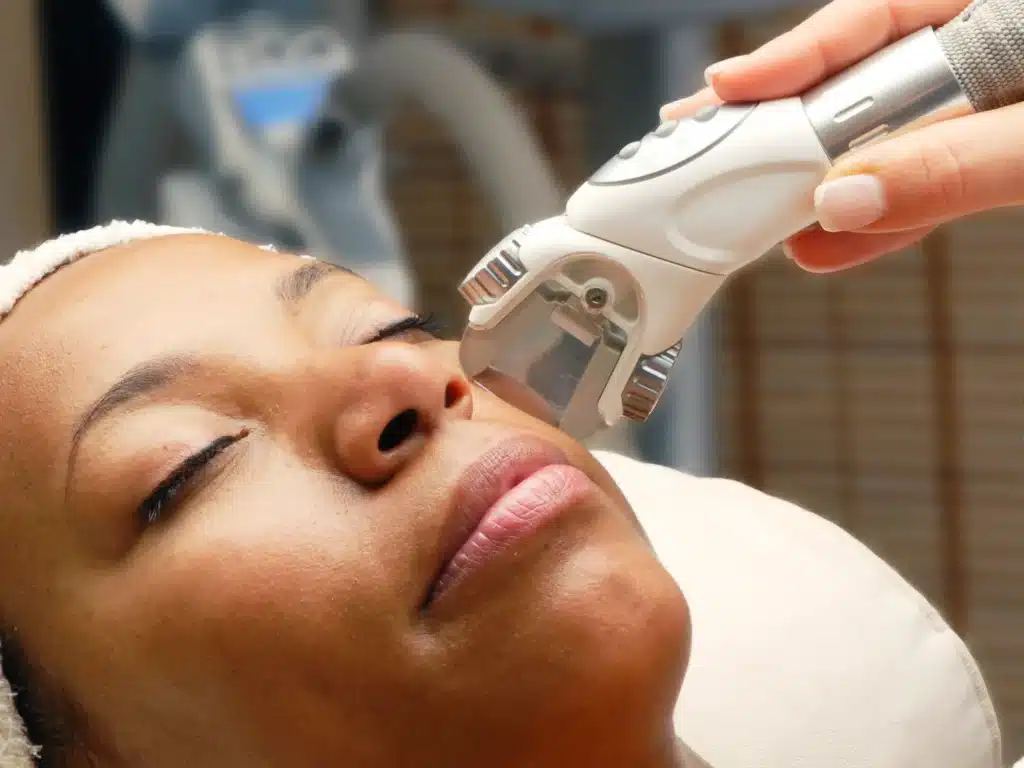
Fraxel laser resurfacing is a non-invasive treatment. It targets various skin imperfections like wrinkles, scars, and sun damage. This procedure uses advanced laser technology. It creates tiny wounds in the skin, which triggers the body’s healing process, according to a study.
Patients often appreciate this method because it requires little downtime. Most can return to their daily routines within a few days after a restorative skin treatment or laser skin resurfacing treatments, according to a study on procedure skin. The procedure focuses on specific areas while leaving surrounding tissue unharmed. This means less overall damage and faster recovery.
Improving Skin Quality
Laser skin resurfacing significantly improves skin texture and tone. Many patients report smoother and more even skin after treatment. The process of laser skin resurfacing treatments reduces the appearance of fine lines and age spots. It also helps with acne scars and other blemishes.
Results vary from person to person. However, most individuals notice a marked difference within a few weeks after laser skin resurfacing treatment. As the skin continues to heal, improvements become more apparent over time.
Collagen Production
Stimulating collagen production through laser skin resurfacing is one of the key benefits of Fraxel treatments. Collagen is vital for maintaining skin elasticity and firmness. As people age, collagen levels naturally decline. This leads to sagging skin and wrinkles.
Fraxel laser resurfacing treatments encourage the body to produce more collagen. This rejuvenates the skin, making it look younger and healthier. Over several months, patients may see ongoing improvements as new collagen forms.
Treatment Plan
A typical laser skin resurfacing plan includes multiple sessions. Each session builds upon the last for optimal results. Doctors often recommend waiting several weeks between treatments. This allows the skin to heal fully before undergoing another session.
Future laser skin resurfacing treatments can be adjusted based on individual needs. Some may require fewer sessions than others depending on their skin type and goals.
Long-Term Benefits
The long-term benefits of Fraxel are significant. Patients often enjoy lasting results with proper skincare maintenance. Regular follow-up treatments can help sustain these results over time.
Many find that incorporating a good skincare routine enhances their outcomes. Using sunscreen daily protects the treated areas from sun damage. Hydrating products can also support the healing process.
Benefits of Regular Fraxel Treatments
Improved Clarity
Fraxel treatments offer remarkable skin rejuvenation benefits. Patients often notice improved skin clarity after their sessions. The laser targets damaged skin cells and promotes the growth of fresh, healthy skin cells. This process reduces the appearance of scars and wrinkles. As a result, many individuals enjoy a smoother complexion.
Consistent treatments help maintain these improvements over time. Skin looks more vibrant and youthful. The reduction in imperfections boosts confidence. Many find that they feel better about their appearance after regular sessions.
Long-Term Health
Long-term benefits are significant with ongoing Fraxel treatments. They promote sustained skin health and a youthful appearance. Each session helps to stimulate collagen production. Collagen is essential for maintaining skin structure and elasticity.
Healthy skin cells replace older, damaged ones effectively. This regeneration process combats issues like melanoma sun damage. It also addresses other signs of aging. Over time, patients can expect their skin to look firmer and more resilient.
Enhanced Elasticity
Regular Fraxel treatments lead to enhanced skin elasticity. The laser stimulates deeper layers of the skin. This action encourages the body to produce new collagen fibers. Increased collagen results in firmer, more toned skin.
Many patients report that their skin feels tighter after consistent treatments. This improvement contributes to a more youthful appearance overall. Individuals who prioritize regular sessions often see lasting results.
The combination of improved clarity, long-term health benefits, and enhanced elasticity makes regular Fraxel treatments worthwhile. These factors contribute to an overall rejuvenated look.
Recommended Fraxel Maintenance Schedule
Initial Sessions
Fraxel treatments typically require 3 to 5 sessions for optimal results. These sessions should be spaced 4 to 6 weeks apart. This timing allows the skin to heal and rejuvenate between treatments. Each session builds on the previous one, enhancing skin texture and tone.
Patients may notice improvements after just a few sessions. However, the full benefits of laser skin maintenance appear after completing the initial series. Consistency in scheduling helps achieve the best outcomes.
Ongoing Maintenance
After completing the initial treatments, ongoing maintenance is crucial. Most dermatologists recommend maintenance sessions every 3 to 6 months. This frequency varies based on individual skin types and conditions. Some people may need more frequent visits, while others may require them less often.
Regular maintenance keeps the skin looking fresh and youthful. It also helps sustain the improvements achieved during the initial treatments. A good skincare maintenance regimen complements these sessions. Using quality products at home can enhance results and prolong the treatment’s effects.
Personalized Schedules
Every patient’s skin is unique. Therefore, a personalized schedule is essential for effective treatment. Dermatologists assess various factors to create an individualized plan. These factors include skin type, age, and specific concerns like wrinkles or pigmentation.
Consulting with a dermatologist ensures that each patient receives tailored advice. They can suggest the right number of sessions and intervals based on personal needs. Following this guidance leads to better results and healthier skin overall.
Importance of Professional Guidance
Seeking professional guidance is vital in determining the right maintenance schedule. A dermatologist evaluates your progress after initial treatments. They can adjust future appointments based on how your skin responds.
Regular check-ins help maintain skin health over time. They allow for adjustments in treatment if necessary. This proactive approach supports long-term success with Fraxel treatments.
Optimal Timing for Sessions
Seasonal Planning
Scheduling sessions during cooler months is advisable. Winter and early spring provide the best conditions for skin treatments. During these times, sun exposure is less intense. This reduces the risk of complications after treatment. Skin may be more sensitive post-session. Protecting it from the sun is crucial for healing.
Many people spend more time indoors in cooler months. This can help minimize downtime. Recovery may be easier without needing to worry about outdoor activities or sun exposure.
Event Considerations
Planning around social events is important too. Fraxel sessions can cause temporary side effects like redness and swelling. These effects vary per person but usually last a few days. Scheduling a session at least two weeks before an event can help.
This allows time for recovery. It also gives the skin a chance to settle down. By timing treatments wisely, individuals can avoid unwanted attention during special occasions.
Skin Renewal Cycles
Timing sessions to align with natural skin renewal cycles helps maximize results. The skin typically renews itself every 28 days. Scheduling treatments about once a month can enhance this process. This frequency allows for consistent improvement over time.
Using serums post-treatment can further benefit the skin. Serums designed for recovery can aid in healing and hydration. They complement the results of Fraxel sessions effectively.
Individual Factors
Every person’s skin reacts differently to treatments. Factors like skin type, age, and specific concerns must be considered. Consulting with a skincare professional is essential for personalized advice. They can recommend the best schedule based on individual needs.
Tracking how your skin responds after each session is beneficial too. Adjustments might be necessary based on personal experiences and outcomes.
Safety and Side Effects
Common Effects
Fraxel treatments can lead to common side effects. Patients often experience redness after their sessions. This redness can last for a few hours to several days. Swelling is another typical response. It usually subsides within a few days. Peeling may occur as the skin heals. This peeling can last up to a week.
Temporary Nature
These side effects are generally mild and temporary. Most people find that their skin returns to normal within a short period. The healing process is crucial for achieving better skin health. Following post-treatment care helps minimize these effects.
Consultation Importance
Consulting with a dermatologist is essential if concerns arise after treatment. A professional can provide clarity on what to expect during recovery. They can also address any unusual reactions. Regular check-ins ensure that skin health remains a priority.
Sunscreen Usage
Using spectrum sunscreen is vital after Fraxel treatments. Chemical sunscreens protect the skin from harmful UV rays. Applying sunscreen helps prevent further irritation and damage while the skin heals. Dermatologists recommend using broad-spectrum protection with at least SPF 30. Reapplying every two hours is best, especially when outdoors.
Skin Health Considerations
Maintaining skin health post-treatment involves more than just avoiding sun exposure. Staying hydrated supports the healing process. Consuming a balanced diet rich in vitamins aids recovery too. Incorporating antioxidants can help improve overall skin appearance.
Monitoring Side Effects
Patients should monitor their side effects closely. If redness or swelling persists beyond a week, reaching out to a dermatologist is advisable. They can assess whether these reactions are normal or indicate something more serious.
Emotional Impact
Experiencing side effects can be stressful for some individuals. Understanding that these effects are common may ease anxiety. Knowing that they will likely fade provides reassurance during recovery.
Long-term Benefits
Despite the temporary discomfort, many patients enjoy long-term benefits from Fraxel treatments. Improved skin texture and tone are significant outcomes. These results often outweigh the initial side effects experienced.
Expectations for Appointments
Consultation
Prepare for a consultation before starting Fraxel maintenance. Discuss your skin goals with the practitioner. They will help create a personalized treatment plan that suits your needs. This initial meeting is crucial to ensure you understand the process.
During the consultation, expect to answer questions about your skin history. The provider may ask about past treatments and any skin conditions. Be honest about your expectations and concerns. This information helps in crafting an effective strategy.
Skin Assessment
A thorough skin assessment occurs before each session. Practitioners evaluate your skin’s condition closely. They look for changes since the last treatment. This evaluation helps determine if adjustments are needed in your care plan.
Expect this assessment to include checking for any irritation or sensitivity. The practitioner will assess how well your skin has responded to previous sessions. They may also discuss any side effects experienced after prior treatments.
Recovery Period
Plan for a brief recovery period following each treatment. The skin may appear red and swollen immediately after the procedure. This reaction is normal and usually subsides within a few days.
Typically, healing takes about three to five days. During this time, follow post-treatment instructions carefully. Avoid sun exposure and use gentle skincare products. Staying hydrated also aids in recovery.
e patients may notice improvements in their skin texture and tone shortly after treatment. However, full results can take several weeks to become visible as the skin continues to heal and regenerate.
Treatment Schedule
Establishing a regular treatment schedule is important for optimal results. Many practitioners recommend sessions every four to six weeks depending on individual needs. Consistency enhances the effectiveness of the Fraxel laser.
Discuss with your provider how often you should return based on your skin type and goals. Some may need more frequent visits initially, while others may require less frequent maintenance treatments later on.
Follow-Up Care
Follow-up appointments are essential for monitoring progress. These meetings allow practitioners to adjust treatment plans if necessary. Patients should communicate any concerns during these check-ins.
Practitioners may suggest additional treatments or skincare products between sessions. Following their advice ensures you achieve the best possible outcome from your Fraxel maintenance.
Post-Treatment Care Tips
Gentle Cleansing
Cleansing the skin gently is crucial after maintenance treatments. Harsh products can irritate the skin and disrupt the healing process. Use a mild, fragrance-free cleanser to wash your face. This helps remove old skin cells without causing additional damage. Avoid scrubbing or using exfoliants right after treatment.
Pat your skin dry with a soft towel instead of rubbing it. This method prevents irritation and supports the natural healing process. Following a proper skincare routine can enhance results from the restorative skin treatment.
Sun Protection
Sun protection is vital for maintaining results post-treatment. UV damage can hinder your skin’s ability to heal properly. Apply a broad-spectrum sunscreen with at least SPF 30 daily. Make sure to use it even on cloudy days. Reapply every two hours, especially if you’re outdoors.
Consider using a physical sunscreen that contains zinc oxide or titanium dioxide. These ingredients reflect UV rays and are less irritating for sensitive skin. Protecting your skin from sun exposure aligns with your long-term skincare goals.
Hydration
Keeping the skin hydrated is essential for recovery. A suitable moisturizer helps maintain moisture levels and supports the whole healing process. Look for products that contain hyaluronic acid or glycerin. These ingredients attract water to the skin, promoting rapid healing.
Apply moisturizer twice daily, both in the morning and evening. This practice helps keep your skin balanced and nourished. Avoid heavy creams that may clog pores or cause breakouts.
Skincare Regimen
A balanced skincare approach is important after Fraxel treatments. Incorporate topical retinoids into your regimen only when cleared by your dermatologist. They can help improve texture but may irritate freshly treated skin if used too soon.
Stick to a simple routine during the initial healing phase. Limit products to gentle cleansers, moisturizers, and sunscreen. Gradually reintroduce other products as your skin heals.
Monitoring Skin Issues
Pay attention to any changes in your skin during recovery. Redness, swelling, or discomfort should gradually decrease over time. If these symptoms persist or worsen, consult your dermatologist immediately.
Document any reactions to new products or changes in your routine. This information will help you and your dermatologist adjust your skincare regimen effectively.
Extending Treatment Results
Healthy Routine
A healthy skincare routine is essential for maintaining the results of Fraxel treatments. Daily cleansing helps remove dirt and oil. This keeps the skin clear and allows products to penetrate better. Moisturizing keeps the skin hydrated and supports improved skin tightness.
Sunscreen is crucial after any cosmetic treatment. UV rays can damage new skin cells. Using a broad-spectrum sunscreen protects against this harm. Regularly applying sunscreen helps prolong the effects of the procedure.
Regular Follow-Ups
Regular follow-ups with a dermatologist are vital for ongoing assessment. These visits allow professionals to monitor your skin’s progress. They can suggest when subsequent treatments may be necessary.
Dermatologists also evaluate current skin conditions. Changes in your skin can affect how often you need maintenance treatments. A tailored plan ensures you receive the best care possible.
Complementary Treatments
Complementary treatments can enhance and prolong the benefits of Fraxel. Options like chemical peels or microdermabrasion can work well alongside Fraxel procedures. These treatments promote exfoliation, which helps reveal fresh, new skin.
Combining treatments can address specific concerns effectively. For example, if someone struggles with pigmentation, adding a targeted treatment can improve results. It’s essential to discuss these options with your dermatologist.
Timing of Subsequent Treatments
Timing for subsequent treatments varies based on individual needs. Many patients benefit from maintenance treatments every six months to a year. Studies show that regular sessions help maintain results over time.
Skin type and age also play a role in determining treatment frequency. Younger patients may require fewer sessions than older individuals experiencing more significant aging signs.
Understanding Aging Effects
Understanding how aging affects the skin is crucial for effective maintenance. As skin ages, it loses collagen and elasticity. This leads to sagging and wrinkles, making subsequent treatments more beneficial.
Fraxel works by stimulating collagen production. New skin cells form during the healing process, improving overall texture and tone. Regular maintenance helps keep this process active, ensuring long-lasting results.
Summary
Regular Fraxel treatments can significantly enhance your skin’s appearance and health. Understanding the maintenance schedule is crucial for maximizing results. You’ve learned about the benefits, timing, and care involved in these sessions. By adhering to a proper maintenance routine, you ensure that your skin remains rejuvenated and youthful.
Now is the time to take action. Schedule your next Fraxel appointment and stick to the recommended maintenance plan. Your skin deserves the best care possible. Remember, consistent treatment leads to lasting results. Don’t hesitate—embrace this opportunity for radiant skin today!
Frequently Asked Questions
How often should I get Fraxel treatments?
Most experts recommend maintenance sessions every 3 to 6 months after the initial treatment series. This helps sustain results and keep your skin looking youthful.
What are the benefits of regular Fraxel treatments?
Regular Fraxel treatments improve skin texture, reduce wrinkles, and enhance overall tone. They also promote collagen production, leading to firmer, healthier skin over time.
Can I schedule my Fraxel sessions too close together?
It’s best to wait at least 4 weeks between sessions to allow your skin to heal properly. Scheduling too close can increase the risk of side effects.
Are there any side effects from Fraxel treatments?
Common side effects include redness, swelling, and peeling. These are typically temporary and resolve within a few days. Always consult with a professional if you have concerns.
What should I expect during a Fraxel appointment?
During an appointment, you’ll receive numbing cream for comfort. The procedure usually lasts about 30 minutes to an hour, depending on the area treated.
How can I care for my skin post-treatment?
Post-treatment care includes moisturizing, avoiding sun exposure, and using gentle cleansers. Follow your provider’s specific aftercare instructions for optimal healing.
How can I extend the results of my Fraxel treatments?
To extend results, maintain a consistent skincare routine, use sunscreen daily, and consider periodic maintenance sessions as recommended by your dermatologist.