
Understanding the Basics
Dysport and Botox
Dysport and Botox are neurotoxins. They treat wrinkles and fine lines. Both are derived from botulinum toxin type A. They work by blocking nerve signals to muscles. This prevents muscle contractions.
Reducing Facial Lines
These treatments reduce facial lines without surgery. They target specific areas of the face. Common areas include the forehead, brows, and around the eyes. They can smooth out forehead lines and crow’s feet.
Quick Treatments
Both Dysport and Botox are quick treatments. Each session lasts only a few minutes. Patients can resume normal activities right after. There’s no need for downtime or recovery.
Onset of Results
Results from these treatments appear quickly. Dysport shows effects within 2-3 days. Botox results can take up to a week. Both offer temporary improvements, lasting about 3-4 months.
Units and Dosage
Units measure the dosage for both treatments. The number of units needed varies by area treated. For example, the forehead might need more units than other areas.
Protein Differences
Dysport and Botox contain different proteins. These proteins affect how they spread in the skin. Dysport tends to spread more, which can be beneficial for larger areas.
Muscle Targeting
Both treatments target specific muscles in the face. By relaxing these muscles, they reduce the appearance of wrinkles. This targeting helps achieve a natural look without affecting other facial expressions.
Key Differences Explained
Treatment Areas
Botox and Dysport are both used to treat facial wrinkles. However, they are approved for different areas. Botox is commonly used for vertical lines between the eyebrows, crow’s feet around the eyes, and forehead lines. Dysport is primarily used for glabellar lines, which are the frown lines between the eyebrows.
Doctors often choose Botox for fine lines because it offers more precision. Dysport spreads more easily, making it suitable for larger areas.
Cost Differences
The cost of these treatments varies. Botox generally costs more than Dysport. On average, Botox costs about $10 to $15 per unit. Dysport tends to be cheaper, averaging around $4 to $8 per unit.
However, you need more units of Dysport compared to Botox. For example, treating fine lines might require 20 units of Botox but 50 units of Dysport. Therefore, the overall cost can end up being similar.
Effectiveness Duration
The duration of effectiveness differs between the two treatments. Botox typically lasts three to six months. Most people see results in three to five days after treatment.
Dysport may start working faster, often within two to three days. However, its effects usually last three to four months. This means you may need more frequent treatments with Dysport.
Injection Points
The number of injection points required also varies. Botox usually needs fewer injection points due to its precision. Dysport requires more injection points because it spreads more easily under the skin.
For instance, treating vertical lines might involve five injection points with Botox but seven with Dysport. This difference can affect the overall experience and comfort during treatment.
Side Effects
Both treatments have similar side effects like redness and swelling at the injection site. However, some studies suggest that Dysport might cause less discomfort during injection.
Patients report that Dysport feels less painful compared to Botox. Both treatments are considered safe when administered by a qualified professional.
FDA Approvals
Both Botox and Dysport are FDA-approved but for slightly different uses. Botox was first approved by the FDA in 2002 for cosmetic use on glabellar lines. Dysport received its FDA approval later in 2009.
These approvals ensure that both products meet safety standards. However, always consult a healthcare provider to determine which option is best for you.
Effectiveness Compared
Trace Proteins
Dysport and Botox contain different amounts of trace proteins. These proteins can affect how the body reacts to each treatment. Dysport has fewer trace proteins than Botox. This difference might lead to faster results for some patients. Fewer proteins can also mean a lower chance of developing resistance to the treatment.
Time to Results
Studies show that Dysport often works faster than Botox. Some patients see results from Dysport within 2-3 days. Botox usually takes about 3-5 days for initial effects. The full effect of both treatments can take up to two weeks.
Longevity of Results
Patient testimonials reveal varying experiences with longevity. Many find that Botox results last longer, up to six months. Dysport’s effects might last around four months on average. However, this can vary depending on individual factors like metabolism and lifestyle.
Spreadability
Dysport spreads more easily than Botox. This characteristic is due to its smaller molecular size. It can cover a larger area with fewer injections. This can be beneficial for treating larger areas like the forehead. However, it might be less precise in small areas.
Potential Side Effects
Both treatments have similar side effects, such as bruising and swelling at the injection site. Due to its spreadability, Dysport might cause more unintended muscle relaxation in nearby areas. Botox’s more localized effect can offer better control in targeted areas.
Analyzing Results
Visible Timeline
Both Dysport and Botox show results within a few days. Dysport’s results often appear faster. Many patients see changes in 2-3 days. Botox usually takes about 3-5 days to show effects. This difference matters for those seeking quick improvements.
Speed of Results
Dysport may work quicker due to its formula. The smaller protein molecules in Dysport spread more easily. This can lead to faster relaxation of facial lines. Botox has larger protein molecules, which take longer to diffuse.
Patient Satisfaction
Most patients are satisfied with both treatments. Research shows high satisfaction rates for both Dysport and Botox. Patients report smoother skin and reduced glabellar lines. Many prefer the treatment that works fastest for them.
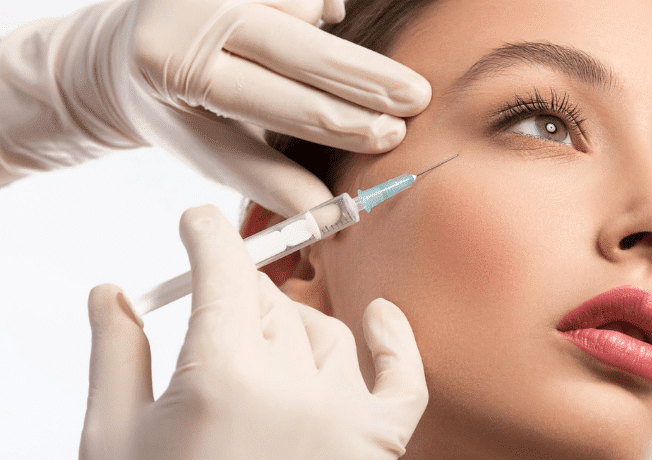
Durability of Results
Results from both treatments last several months. Dysport typically lasts 3-4 months. Botox results also last around 3-4 months. Some studies suggest Dysport may last slightly longer in some cases.
Real-Life Experiences
Patients share various experiences online. Some prefer the rapid results of Dysport. Others appreciate the consistency of Botox. Both treatments have loyal followers based on personal preferences.
Side Effects Unveiled
Common Effects
Both Dysport and Botox can cause side effects. Patients often experience minor side effects like redness, swelling, and bruising at the injection site. These effects usually subside within a few days. Headaches are also common but tend to be mild.
Other shared side effects include:
- Temporary drooping of the eyelid or eyebrow
- Dry eyes or excessive tearing
- Pain at the injection site
Unique Dysport Side Effects
Dysport has some unique side effects. It can spread more easily than Botox. This may lead to muscle weakness in areas away from the injection site. Some patients report a slight fever after treatment.
Rarely, Dysport can cause:
- Skin rash or itching
- Neck pain
- Sore throat
Unique Botox Side Effects
Botox has its own set of risks. Some patients may develop flu-like symptoms post-injection. In rare cases, Botox can lead to difficulty swallowing or breathing.
Other unique side effects include:
- Vision problems
- Hoarseness or loss of voice
- Bladder control issues
Reducing Risks
To minimize side effects, follow these steps:
- Choose a qualified doctor with experience in cosmetic injectables.
- Avoid alcohol and blood-thinning medications before treatment.
- Do not touch or rub the treated area for at least 24 hours.
- Follow all aftercare instructions provided by your doctor.
Choosing What Suits You Best
Wrinkle Concerns
Dysport and Botox target different types of wrinkles. Dysport spreads more easily, making it ideal for larger areas like the forehead. Botox is more precise, suitable for small areas like crow’s feet around the eyes. Individual wrinkle concerns should guide your choice.
Consulting with a professional can help determine which option suits your needs. They can assess your skin type and wrinkle patterns.
Professional Consultation
Seeing a professional is crucial. They can evaluate your skin and discuss your goals. A dermatologist or cosmetic surgeon will recommend the best treatment based on your individual needs.
They might suggest Botox for fine lines or Dysport for broader areas. Their expertise ensures you get the most effective treatment.
Budget Considerations
Both treatments vary in cost. Botox tends to be more expensive per unit but requires fewer injections. Dysport might be cheaper per unit but often needs more units for the same area.
Consider your budget when choosing between them. Discuss costs with your provider to avoid surprises.
Outcome Duration
The duration of results also differs. Botox results last about 3-4 months, while Dysport can last slightly longer, around 4-5 months. Your desired outcome duration may influence your decision.
Longer-lasting results might make Dysport more appealing if you want fewer treatments per year.
Personal Preference
Personal preference matters too. Some prefer the feel of one treatment over the other. Others may have allergies or sensitivities that affect their choice.
Discuss any past experiences with similar treatments with your provider. They can tailor their recommendation based on this information.
Treatment Variations
Unit Measurement
Dysport and Botox differ in their unit measurements. Dysport spreads more, covering a larger area with fewer units. Botox has a more localized effect, requiring more precision in placement.
Dysport’s units are smaller than Botox’s units. This means that 1 unit of Dysport is not equivalent to 1 unit of Botox. Many patients find this confusing. Doctors must adjust dosages accordingly.
Application Differences
The injection technique varies between Dysport and Botox. Dysport often requires fewer injections due to its spread. Botox needs more precise injections to target specific muscles.
For treating fine lines around the eyes, Botox might be preferred due to its precision. Dysport can be better for larger areas like the forehead because it spreads more easily.
Treatment Areas
Both injectables treat various areas but have different strengths. Dysport is effective for larger areas such as the forehead. Botox works well for smaller, more precise areas like crow’s feet.
e medical conditions also benefit from these treatments. For example, muscle spasms are treated with both products. The choice depends on the individual patient’s needs and response to treatment.
Severity of Lines
The severity of lines influences which product to use. Deep lines may respond better to Dysport because it spreads out more. Fine lines might be better treated with Botox due to its precision.
Patients with severe frown lines might prefer Dysport for its broader coverage. Those with minor wrinkles around the mouth could opt for Botox.
Tailored Treatment Plans
Doctors tailor treatment plans based on the patient’s needs. Both Dysport and Botox offer flexibility in treating various conditions and areas.
An individual patient’s response to each product can vary. Some patients may see better results with one over the other. Personalized plans ensure optimal outcomes.
Recovery Time
Recovery time is similar for both products. Patients usually resume normal activities immediately after treatment. Minor side effects like swelling or bruising can occur at the injection site.
Most patients experience minimal downtime. Results typically appear within a few days and last several months.
Making an Informed Decision
Key Points
Dysport and Botox are both popular injectables. Each has unique properties. Dysport spreads more easily, making it suitable for larger areas. Botox is often used for small, precise areas.
Both treatments typically last 3-4 months. Some people report that Dysport works faster than Botox. On average, Dysport takes effect within 2-3 days, while Botox may take up to a week.
Pros and Cons
Consider the pros and cons before choosing between Dysport and Botox:
- Dysport Pros:
- Faster onset of results
- Better for larger treatment areas
- Dysport Cons:
- May spread to unintended areas
- Shorter duration for some users
- Botox Pros:
- Highly precise application
- Long track record of safety
- Botox Cons:
- Slower onset of results
- Higher cost in some markets
Personalized Needs
Evaluate your specific needs and expectations. If you need quick results, Dysport might be better. For more precise treatment, Botox could be the choice.
Think about the area you want to treat. Larger areas might benefit from Dysport’s spreading ability. Smaller, targeted areas may respond better to Botox.
Provider Consultation
Consult with a certified dermatologist or plastic surgeon. They can provide personalized advice based on your skin type and goals. A professional can help you understand how each injectable will work for you.
Summary
You’ve learned the ins and outs of Dysport vs. Botox. Both treatments offer unique benefits and potential drawbacks. Choosing the right one depends on your specific needs, preferences, and medical advice.
Ready to make a choice? Consult with a qualified professional to discuss your options. Your journey to smoother skin starts now—take action today!
Frequently Asked Questions
What are the main differences between Dysport and Botox?
Dysport spreads more, covering larger areas. Botox is more precise, ideal for smaller regions.
How long do the effects of Dysport and Botox last?
Both treatments typically last 3-4 months. Individual results may vary.
Are there any side effects to using Dysport or Botox?
Common side effects include bruising, swelling, and redness. Serious side effects are rare.
Which treatment works faster, Dysport or Botox?
Dysport often shows results within 2-3 days. Botox usually takes 3-5 days.
Can I switch from Botox to Dysport?
Yes, you can switch between treatments. Consult your provider for personalized advice.
Is one treatment more cost-effective than the other?
Costs vary by provider and region. Generally, they are similarly priced per unit.
Who should avoid using Dysport or Botox?
Pregnant or breastfeeding women and individuals with certain neuromuscular disorders should avoid these treatments. Always consult a healthcare professional.