
Cellulite affects a significant portion of the population, presenting as dimpled, lumpy skin primarily on thighs, hips, buttocks, and abdomen. Its occurrence is not limited by body type or weight, leading to widespread misconceptions about its causes and remedies. This complex condition stems from factors like genetics, hormonal changes, lifestyle choices, and diet. Despite its commonality, effective treatments have been elusive for many. However, recent advancements in dermatological research offer new hope in understanding cellulite’s mechanisms and developing targeted interventions. This post delves into the scientific underpinnings of cellulite formation and evaluates the efficacy of various treatment options.
Understanding Cellulite and Its Causes
Fat Deposits
Cellulite occurs when fat pushes through connective tissue beneath the skin. This action creates the bumpy texture known as cellulite depressions. It’s more than just fat accumulation; it involves the structural composition of our skin.
The process is complex. It starts with fat cells expanding in certain areas. These areas then push against the skin, while the connective tissue pulls down. This tug-of-war results in cellulite’s dimpled appearance.
Hormonal Changes
Hormones play a significant role in cellulite development. They affect how your body stores fat and how it connects to tissues under your skin.
Estrogen, for example, can increase fat storage and weaken connective tissue over time. As estrogen levels fluctuate, especially during menopause, women may see an increase in cellulite.
Dehydration & Body Fat
Two factors that can worsen cellulite are dehydration and increased body fat percentage.
- Dehydration makes your skin thinner and less elastic.
- Increased body fat means there’s more pressure pushing against your skin’s connective tissues.
Staying hydrated helps maintain elasticity in your skin which could reduce visibility of cellulite depressions. Managing overall body weight also plays a crucial role.
Gender Differences
Women experience cellulite more frequently due to their unique physiological makeup.
- Women generally have a higher percentage of body fat compared to men.
- The distribution of muscle, fat, and connective tissue differs between genders.
These differences mean that even fit women might notice some degree of cellulite on their bodies.
Identifying Symptoms and Risk Factors of Cellulite
Visible Symptoms
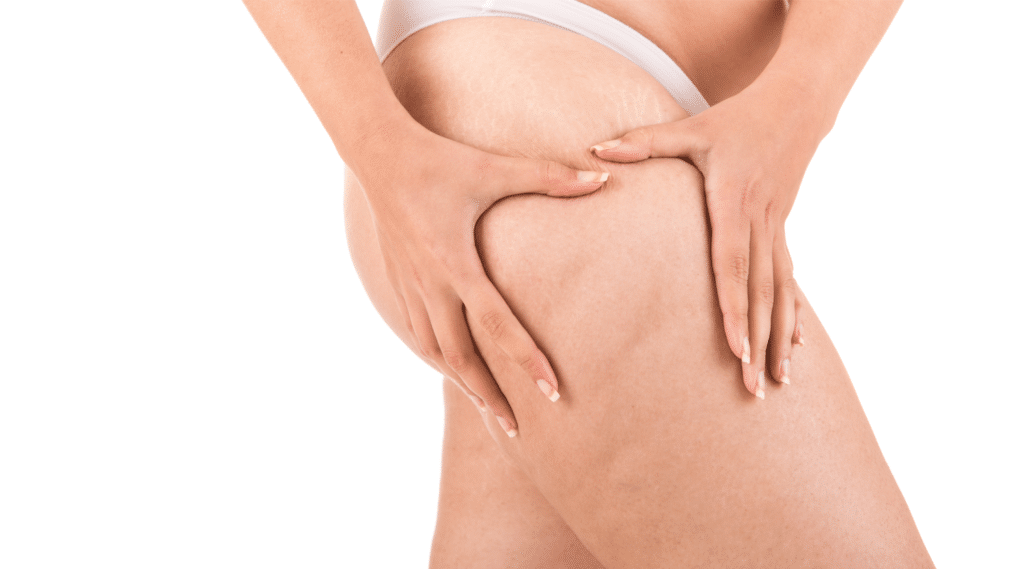
Cellulite symptoms are easy to spot. The skin becomes lumpy and shows dimpling. This is most common on the thighs and buttocks. The affected area may look like orange peel.
The severity varies among individuals. Some might see mild dimpling when pinching the skin. Others notice visible cellulite even without pressure.
Risk Factors
Several factors increase cellulite risk.
- Age affects skin elasticity, making cellulite more likely.
- High estrogen levels can contribute to its formation.
- A family history of cellulite suggests a genetic predisposition.
- Leading a sedentary lifestyle is linked with higher risks.
Weight gain does not cause cellulite but can make it more noticeable. Excess fat under the skin pushes against connective tissue, worsening its appearance.
Impact of Lifestyle
Lifestyle choices play a significant role in managing cellulite.
Regular exercise helps reduce excess body fat, potentially diminishing visible signs of cellulityte. It also improves blood flow and strengthens muscles under the affected area, leading to smoother-looking skin.
Eating a balanced diet supports healthy weight management, indirectly affecting cellulie severity by preventing excessive fat accumulation.
Understanding these symptoms and risk factors empowers individuals to adopt healthier lifestyles that may mitigate some adverse effects of cellulte or prevent its progression altogether.
The Role of Genetics and Hormonal Influence in Cellulite Formation
Genetic Factors
Genetics play a crucial role in cellulite development. They determine the skin structure, fat cell distribution, and how prone someone is to cellulite. People inherit these traits from their parents.
The skin’s ability to hold fat deposits tightly is linked to genetics. Some have more flexible skin structures, allowing fat cells to protrude easily, creating the dimpled appearance of cellulite. Others might have a denser arrangement of collagen fibers, making them less susceptible.
Hormonal Impact
Hormones significantly influence cellulite formation. Estrogen, for instance, affects it during puberty, pregnancy, and menopause. Estrogen can increase body fat and affect the vascular system which encourages the appearance of cellulite.
Other hormones like thyroid hormones, prolactin, and insulin also play roles. They impact metabolism and adipose tissue behavior. These hormonal changes can lead to an accumulation of fatty layer beneath the skin surface.
Cellulite’s etiopathogenesis involves complex interactions between genetic predispositions and hormonal fluctuations. While everyone has subdermal junctions composed of fibrous septa that segment fat lobules under the skin; biomechanical forces combined with these genetic factors cause some people’s fibrous bands to pull down harder on their skin than others’. This creates puckering or dimpling recognized as cellulite.
Understanding one’s susceptibility through genetics and hormone levels can provide insights into managing or mitigating its effects effectively.
Impact of Diet and Exercise on Cellulite Appearance
Salt Intake
High salt intake can worsen cellulite appearance. Salt causes the body to retain fluids, making cellulite more visible. Reducing salt in your diet can help lessen this effect.
Eating less salty foods is a simple change. Opt for natural seasonings like herbs instead of table salt. This small adjustment can make a big difference over time.
Regular Exercise
Exercise plays a key role in reducing cellulite appearance. It improves blood flow and decreases fat, which together can diminish cellulite visibility.
Incorporate both cardio and strength training into your routine. Cardio burns fat, while strength exercises tone muscles underneath the skin, making cellulite less noticeable.
Balanced Diet
A balanced diet is crucial for minimizing cellulite appearance. Foods rich in fruits, vegetables, and fiber reduce body fat levels.
- Eat plenty of leafy greens.
- Include fruits high in antioxidants.
- Choose whole grains over processed foods.
These dietary choices support healthy weight management and improve overall skin health.
Lifestyle Changes to Combat Cellulite
Stay Hydrated
Drinking enough water is crucial. It keeps the skin hydrated and elastic. This could make cellulite less visible.
Water helps flush toxins from the body. These toxins can contribute to cellulite formation. Aim for at least eight glasses a day.
Quit Smoking
Smoking cessation is beneficial. It improves blood flow throughout the body, including the skin.
Better circulation means healthier skin. This can lead to a decrease in severe cellulite appearance over time.
Reduce Stress
Stress has a direct impact on cellulite visibility through cortisol levels. Practices like yoga or meditation help lower stress.
Reducing stress changes how your body stores fat. It may prevent new cellulite from forming.
Effective Home Remedies for Reducing Cellulite
Dry Brushing
Dry brushing is a simple technique. It involves using a natural-bristle brush on dry skin. The main goal is to stimulate the lymphatic system. This system helps remove toxins from the body.
By brushing towards the heart, you enhance blood flow and lymph drainage. This can make cellulite less visible temporarily. Many find this method not only beneficial for cellulite but also relaxing.
Coffee Scrubs
Coffee scrubs are another popular home remedy for cellulite. They use coffee grounds to exfoliate and improve circulation in the skin.
When applied with massage, these scrubs may help decrease the appearance of cellulite by tightening the skin. The caffeine in coffee grounds is thought to enhance fat metabolism and reduce some of the swelling around fat cells, making them less noticeable.
Moisturizers
Consistent application of moisturizers can significantly affect your skin’s appearance. By keeping your skin hydrated, moisturizers can make it look smoother and more even.
This doesn’t remove cellulite but makes it less obvious by improving overall skin texture. Look for cellulite creams that contain ingredients known to benefit skin health or those specifically designed to target orange peel or cottage cheese-like textures on thighs and buttocks.
Medical and Non-Invasive Treatments for Cellulite Reduction
Laser Therapy
Laser therapy is a popular choice for cellulite reduction. It works by breaking down fat cells. This process also boosts collagen production. Collagen helps smooth the skin’s texture.
Most people need several treatments to see results. But, many report noticeable improvements in their skin’s appearance after these sessions.
Cryolipolysis
Cryolipolysis, known as CoolSculpting, targets fat cells beneath the skin. This treatment freezes them, leading to a reduction in cellulite over time.
Patients usually require a few sessions for optimal results. There is minimal downtime associated with this procedure. Many find it an attractive option for cellulite treatment.
Radiofrequency Treatments
Radiofrequency treatments heat the dermis to promote fat breakdown and tighten the skin. These treatments are effective at reducing cellulite by encouraging lymphatic drainage and improving cutaneous microcirculation.
Typically, multiple sessions are needed to achieve desired outcomes. However, patients often notice their skin becoming smoother and firmer after just a single treatment.
- Pros of non-invasive treatments:
- No surgery required
- Minimal downtime
- Improves skin texture
- Cons:
- Multiple sessions may be necessary
- Results vary between individuals
Engaging in Healthy Habits to Prevent Cellulite Formation
Diet Choices
Eating anti-inflammatory foods helps your skin. These foods support a healthy skin structure. They include fruits, vegetables, nuts, and fish high in omega-3 fatty acids.
Avoiding processed and sugary foods is also key. These can lead to inflammation and worsen cellulite appearance.
Regular Exercise
Strength training exercises are essential for muscle tone. They build muscles under the areas where cellulite appears like thighs and glutes. This can make cellulite less visible.
Incorporating exercises that focus on muscle contraction, such as squats and lunges, into your routine offers optimal results. Aim for at least three sessions per week.
Weight Management
Maintaining a healthy weight prevents excess fat accumulation that contributes to cellulite formation. Balanced eating habits are crucial here.
It’s not about drastic weight loss but keeping stable through healthy lifestyle choices. This includes both diet adjustments and regular exercise commitments.
Closing Thoughts
Understanding cellulite involves recognizing its multifaceted nature, encompassing genetics, lifestyle, and environmental factors. The sections above have laid a foundation for comprehending how cellulite forms, its symptoms, risk factors, and the influence of genetics and hormones. They have also highlighted the significant impact diet, exercise, and lifestyle changes can have on its appearance. Furthermore, exploring both home remedies and medical treatments offers a comprehensive view of the options available for those seeking to reduce cellulite. Engaging in healthy habits not only aids in cellulite reduction but also promotes overall well-being.
The journey to managing cellulite is personal and varies from individual to individual. It requires patience, persistence, and a commitment to adopting healthier lifestyle choices. For anyone looking to minimize the appearance of cellulite or prevent its formation, the information provided serves as a valuable resource. They are encouraged to explore these options further and consider consulting healthcare professionals for personalized advice. Taking action today can lead to more confidence and comfort in one’s skin tomorrow.
Frequently Asked Questions
What causes cellulite to form?
Cellulite formation is often attributed to genetics, hormonal imbalances, and lifestyle factors such as diet and physical inactivity. It results from the accumulation of fat beneath the skin pushing against connective tissue.
Can diet influence cellulite appearance?
Yes, a healthy diet can impact cellulite appearance. Consuming less processed foods and sugars while increasing intake of fruits, vegetables, and water can help reduce its visibility.
Are there effective home remedies for reducing cellulite?
Effective home remedies include regular exercise, dry brushing to improve circulation, and applying topical treatments like coffee scrubs that may temporarily diminish the appearance of cellulite.
How do genetics play a role in cellulite development?
Genetics determine skin structure, texture, body type, and fat distribution which are all factors that contribute to the likelihood of developing cellulite. If your family members have it, you’re more likely to have it too.
Can lifestyle changes really combat cellulite?
Absolutely. Incorporating regular exercise; maintaining a balanced diet; staying hydrated; avoiding smoking and excessive alcohol consumption can significantly reduce the risk or severity of developing cellulite over time.
What medical treatments are available for reducing cellullte effectively?
Medical options include laser therapy, radiofrequency treatments (RF), cryolipolysis (cool sculpting), acoustic wave therapy (AWT), among others. These non-invasive procedures aim at diminishing the look by targeting underlying causes like poor circulation or fat accumulation.