
Buttock augmentation with implants can transform your silhouette, enhance smooth buttocks tissue, and boost your confidence with gluteal lift results compared to a traditional gluteal lift. This popular cosmetic procedure, including original buttock augmentation and butt augmentation surgery, enhances the shape and size of your smooth buttocks, giving you a curvier look that many desire, similar to a buttock lift. With advancements in augmentation procedures, techniques, and materials, achieving natural-looking results like smooth buttocks with butt implants or a buttock lift is now more accessible than ever.
Choosing buttock implants means considering factors like size, shape, recovery time, and surgery techniques. It’s essential to find a qualified surgeon who understands your goals for butt augmentation surgery, buttock lift, buttock augmentation procedure, and natural butt implants. This guide will explore everything you need to know about buttock augmentation with implants, from preparation to aftercare. Get ready to take the next step toward the body you’ve always wanted with natural butt implants, buttock lift, and butt augmentation surgery.
Key Takeaways
- Buttock augmentation with implants can enhance your body shape, but it’s important to understand the procedure fully before deciding.
- Consider the benefits, such as improved self-esteem and body confidence from butt implants, butt augmentation surgery, and a buttock lift, as highlighted in the article.
- Make sure to discuss what to expect during surgery, such as buttock lift, butt implants, and butt augmentation, and the recovery process with your surgeon to prepare adequately.
- Research and choose a qualified surgeon who specializes in buttock augmentation to ensure safety and satisfaction with results.
- Be aware of the limitations and risks associated with buttock lifts and implants, as these factors can impact your decision.
- Follow all aftercare instructions closely to promote healing and achieve the best possible outcome from your buttock lift, butt implants, or butt augmentation surgery.
Understanding Buttock Enhancement Surgeries
Definition
Buttock enhancement surgeries include procedures that aim to improve the shape and size of the buttocks. These surgeries can be categorized mainly into augmentation, butt implants, and lifts. Augmentation increases the volume of the buttocks. Lifts focus on improving the position and contour. Both types help individuals achieve their desired body aesthetics.
Implants vs. Fat Grafting
Buttock surgery can involve two main techniques: implants and fat grafting. Buttock implants use silicone devices to enhance size and shape. Surgeons place these implants under the muscle or directly above it during butt augmentation surgery or a buttock lift. This method offers a more predictable outcome for volume.
Fat grafting, also known as Brazilian Butt Lift, uses fat from other body areas. Surgeons remove fat through liposuction and inject it into the buttocks. This method provides a natural look since it uses the patient’s own tissue, unlike butt implants or butt augmentation. However, not all injected fat survives in the new location for butt augmentation and butt implants.
Combination Approach
Surgeons often recommend a combination approach for optimal results. Using both implants and fat grafting for butt augmentation can enhance overall appearance. The implants provide significant volume for butt augmentation, while fat grafting smooths out any irregularities. This technique allows for a more balanced and natural look, including butt augmentation and butt implants.
Patients should consider their goals, including butt implants, before deciding on a procedure. Some may prefer the predictability of implants, while others might choose fat grafting for a more natural butt result. Consulting with a qualified surgeon about a butt implant is essential to determine the best option.
Recovery Process
Post-surgery recovery varies based on the type of procedure performed, such as a butt implant. For implant surgery, patients typically experience swelling and discomfort in their butt for several weeks. Doctors usually recommend avoiding strenuous activities during this time.
Fat grafting recovery involves similar precautions but may have additional concerns about the donor site, especially with butt implant procedures. Patients should follow their surgeon’s instructions closely, especially after a butt implant, to ensure proper healing.
Risks Involved
Like any surgical procedure, buttock enhancement surgeries come with risks. Common complications include infection, bleeding, and scarring. Specific to implants, there is a risk of implant displacement or rupture, butt.
Patients must discuss potential risks with their surgeon beforehand. Understanding these factors helps in making an informed decision about undergoing buttock procedures.
What is Buttock Augmentation
Purpose
Buttock augmentation aims to improve the contour, size, and shape of the buttocks. Many people seek this procedure for various reasons. Some desire a fuller appearance, particularly in the butt, while others want to correct asymmetry. This surgery can enhance body proportions, including the butt, and boost self-esteem.
Buttock Implants
The buttock augmentation procedure often involves using silicone-filled buttock implants. These implants come in various shapes and sizes. Surgeons place them under the muscle or over it, depending on individual needs, butt. The goal is to achieve a natural look and feel.
Surgeons typically use a small incision for the insertion. This helps minimize visible scarring. Patients usually experience swelling and bruising after surgery, but these effects subside within weeks, butt. Most individuals can return to normal activities within a few weeks, butt.
Fat Grafting
Fat grafting is another option for gluteal augmentation. This method involves removing fat from another part of the body, such as the abdomen, thighs, or butt. The surgeon purifies this fat before injecting it into the buttocks. This technique provides a more natural enhancement.
Fat grafting has its advantages. It reduces fat in unwanted areas while enhancing the buttocks. However, not all injected fat survives long-term. Some patients may require follow-up procedures to maintain results, butt.
Combining Methods
Surgeons sometimes combine buttock implants with fat grafting for optimal results. This approach allows for increased volume and contouring. Each patient’s needs are unique, so surgeons tailor their methods accordingly, butt.
Patients should discuss their goals, butt their surgeon during consultations. Understanding all options helps make informed decisions about buttock augmentation.
Risks and Considerations
Like any surgery, augmentation procedures carry risks. Possible complications include infection, bleeding, and implant displacement. Patients must follow post-operative care instructions, butt to minimize these risks.
Surgeons also consider a patient’s overall health before performing buttock augmentation surgery. Those with certain medical conditions may not be ideal candidates, butt.
Recovery Process
Recovery varies based on the chosen method. After buttock implant surgery, patients may need to avoid sitting directly on their backsides for several weeks. This careful recovery ensures proper healing and optimal results.
Fat grafting recovery generally involves less restriction for the butt but still requires care. Patients should expect some discomfort and swelling, butt regardless of the method used.
Benefits of Buttock Augmentation
Increased Fullness
Gluteal augmentation surgery provides a significant increase in the fullness and roundness of the buttocks. This procedure uses butt implants to add volume and shape. Many patients choose this option to achieve a more balanced body silhouette, including the butt.
A well-proportioned figure can enhance overall attractiveness. The right size and shape can create smooth buttocks that complement the rest of the body. Patients often report feeling more confident after seeing their new contours, including their butt.
Improved Body Balance
Butt augmentation surgery improves body balance and proportion. A fuller buttock can create a more appealing hourglass figure. This is especially important for those with a naturally flatter backside, or butt.
A solid butt implant can help fill out the upper buttocks, creating a more harmonious look. Many people find that this adjustment leads to better fitting clothes, enhanced posture, and a better butt. Improved proportions, including the butt, can also lead to increased comfort in various activities.
Enhanced Self-Image
Many individuals seek butt gluteal augmentation for augmentation purposes related to self-image. They want to feel good about themselves and boost their self-confidence, butt. A change in appearance, butt can lead to positive psychological effects.
Patients often report feeling more attractive after their surgery. This newfound confidence may improve social interactions and personal relationships. When individuals feel good about their bodies, they are more likely to engage in activities they enjoy.
Natural Look
Natural butt implants are designed to mimic the body’s natural curves. These implants can provide a realistic appearance while still enhancing the shape of the buttocks. Patients appreciate the ability to achieve their desired look without appearing unnatural.
Surgeons often use techniques like dual plane buttock augmentation to ensure a seamless result. This method involves placing implants at different levels in the tissue, allowing for a smoother transition between the implant and natural tissue.
Long-Term Results
Buttock augmentation offers long-lasting results when performed by qualified professionals. Once healed, many patients enjoy their new look for years. Regular follow-ups with surgeons help maintain the appearance and address any concerns.
Understanding the benefits of this procedure helps potential patients make informed decisions. Knowing what to expect can reduce anxiety about surgery and recovery.
What to Expect During Surgery
Surgical Procedure
Surgeons begin the implant surgery by making incisions. These cuts are typically placed in natural folds or creases. This helps hide the scars after healing. The surgeon then creates a pocket for the implants. They can either be placed above or below the gluteal muscle, depending on the desired outcome and patient anatomy.
After creating the pockets, the surgeon inserts the implants. They usually use silicone or saline implants specifically designed for this area. The procedure generally lasts about two to four hours, depending on individual cases and any additional procedures.
Anesthesia Options
Patients have different options for anesthesia during buttock implant surgeries. Many choose general anesthesia, which puts them completely to sleep. Others may opt for local anesthesia with sedation, allowing them to remain awake but relaxed.
Anesthesia choice depends on several factors. These include patient health and comfort level. Discussing these options with the surgeon is crucial before the surgery date.
Duration of Surgery
The duration of implant surgeries can vary significantly. Most procedures take between two to four hours. However, complex cases may require more time. Surgeons work carefully to ensure safety and precision throughout the process.
Recovery time also varies based on individual circumstances. Patients often stay in a recovery area for monitoring after surgery. Medical staff checks vital signs and ensures patients are stable before discharge.
Immediate Post-Operative Care
Post-operative care is essential for a smooth recovery. Patients receive detailed instructions from their surgeons after surgery. These guidelines cover how to care for incisions and manage pain effectively.
Rest is crucial in the first few days following surgery. Patients should avoid strenuous activities and heavy lifting during this time. It’s also important to wear supportive garments as recommended by the surgeon.
Monitoring for complications is critical too. Signs of infection or unusual swelling should prompt immediate medical attention. Regular follow-up appointments help track healing progress.
Patients can expect some discomfort after implant surgery, which is normal. Pain medications prescribed by the surgeon can help manage this discomfort.
Recovery Process and Aftercare
Timeline
Recovery from buttock augmentation with implants varies for each person. Generally, the initial recovery period lasts about two weeks. During this time, patients should plan to take it easy. Most people return to light activities after a week. However, strenuous exercise and heavy lifting require more time off.
After four to six weeks, many individuals feel much better. They can resume most daily activities. Full recovery may take several months. By this point, swelling decreases significantly. The final results become clearer as the body heals.
Post-Surgery Care
Following post-surgery care instructions is crucial for a smooth recovery. Surgeons provide guidelines on how to care for the surgical site. Patients should keep the area clean and dry. This helps prevent infection.
Wearing a compression garment is often recommended. It supports the healing tissues and reduces swelling. Patients must also attend follow-up appointments. These visits allow the surgeon to monitor progress and address any concerns.
Avoiding certain activities is essential during recovery. Sitting directly on the buttocks can cause discomfort and may affect healing. Using a special cushion can help relieve pressure while sitting.
Discomfort Management
Discomfort after surgery is common but manageable. Pain levels vary among individuals. Doctors typically prescribe pain medication to ease discomfort in the first few days.
Ice packs can also help reduce swelling and numb pain. Applying ice for 20 minutes at a time can be effective. It’s important to rest as much as possible during this phase.
e patients may experience bruising or tightness in the area. These symptoms usually improve within a few weeks. If severe pain or unusual symptoms occur, contact your surgeon immediately.
Removal Considerations
In rare cases, implant removal may be necessary due to complications or dissatisfaction with results. Understanding that this process exists can ease anxiety about long-term outcomes. Discussing concerns with a qualified surgeon is vital before making decisions regarding removal or additional procedures.
Overview of Buttock Lift
Definition
A buttock lift is a surgical procedure aimed at enhancing the shape and firmness of the buttocks. This procedure can involve the removal of excess skin and fat, leading to a more contoured appearance. The primary goal is to create a youthful and lifted look. Many people seek this surgery for improved body proportions.
Improvement in Shape
Buttock lift procedures focus on improving tissue shape and tone. The surgery tightens loose skin and redistributes fat, resulting in a firmer and more defined contour. This enhancement can boost self-esteem and body confidence. Patients often notice significant changes in their overall silhouette after recovery.
Contributing Factors
Several factors contribute to sagging buttocks. Aging plays a major role, as skin loses elasticity over time. Weight fluctuations also affect buttock shape. Gaining or losing weight can cause skin to stretch or become loose. Lifestyle choices, such as lack of exercise or poor diet, further impact buttock appearance.
Genetics can also influence how the body stores fat and shapes itself. Some individuals may naturally have less firmness in their gluteal area due to hereditary traits. Understanding these factors is crucial for potential patients considering a butt lift.
Types of Butt Lifts
There are different types of butt lifts available. A traditional gluteal lift focuses on lifting the entire buttock area. This method is effective for those with significant sagging. Another option is the Brazilian Butt Lift, which uses fat transfer techniques instead of implants.
Each type has its own benefits and considerations. Consulting with a qualified surgeon helps determine which approach is best suited for individual needs.
Post-Procedure Expectations
After undergoing a buttock lift, patients should expect some swelling and bruising in the initial recovery phase. Following proper aftercare is essential for optimal results. Surgeons often provide specific guidelines to ensure healing progresses smoothly.
Patients typically see their final results within several months as swelling subsides and tissues settle into place. Many report feeling more confident in their bodies after the procedure.
Limitations of Buttock Lift
Volume Addition
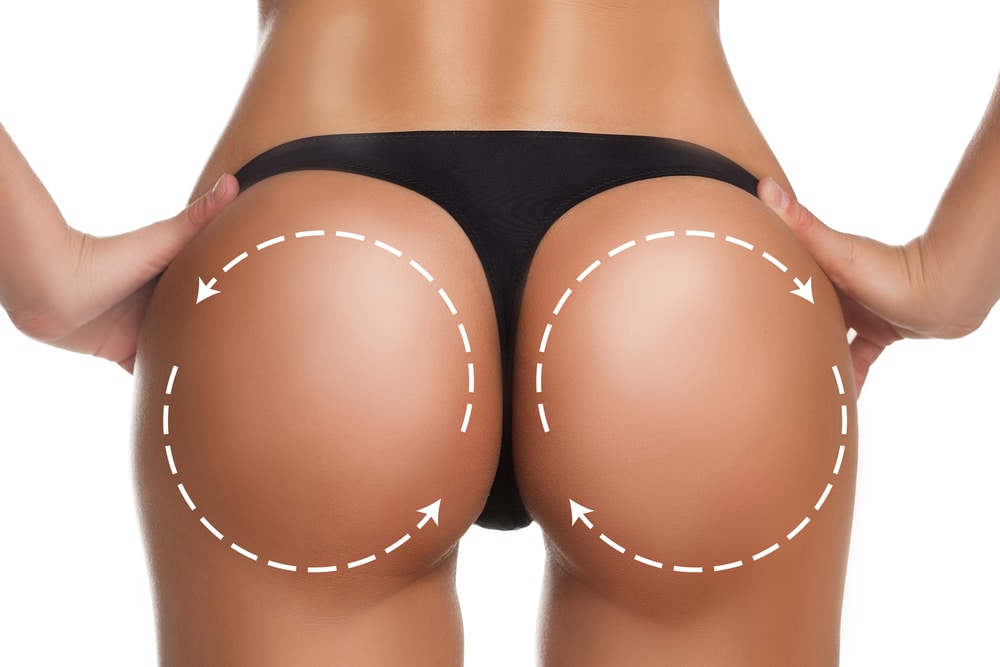
Buttock lifts focus on reshaping and lifting the gluteal area. They do not add volume to the buttocks. Many patients expect fuller buttocks after a lift. This expectation is often unmet. The procedure tightens skin and removes excess fat. However, it does not enhance size.
To achieve desired fullness, additional procedures are necessary. Fat grafting or implants can provide this volume enhancement. Fat grafting involves taking fat from one part of the body and injecting it into the buttocks. This method gives a natural look but requires enough fat to be available for transfer.
Additional Procedures
Implants are another option for those seeking more volume. Buttock implants can create a rounder shape. Surgeons place these implants under the muscle or above it, depending on the technique used. This approach provides significant volume increase. However, it may require a longer recovery time compared to other methods.
Patients should discuss their goals with their surgeon. Together, they can determine the best approach for achieving desired results. Combining a buttock lift with fat grafting or implants often yields the most satisfying outcomes.
Contouring Techniques
Liposuction is often part of the process. It helps contour the body by removing unwanted fat from other areas. This technique creates a more balanced appearance. By sculpting the waist, thighs, or abdomen, liposuction enhances overall body shape.
Surgeons may recommend liposuction before performing a buttock lift. This strategy allows for better positioning of the remaining tissue. A well-contoured body enhances the aesthetic appeal of the lifted buttocks.
Recovery Considerations
Recovery from these procedures varies based on individual circumstances. Patients must follow post-operative care instructions closely. This includes avoiding sitting directly on the buttocks for several weeks after surgery. Such precautions prevent complications and ensure optimal healing.
Surgeons monitor recovery closely to address any concerns promptly. Understanding these limitations helps set realistic expectations about buttock lift results. Patients should remain informed about what each procedure entails.
Choosing the Right Surgeon
Board-Certified Surgeons
Selecting a board-certified plastic surgeon is crucial for buttock augmentation. Certification ensures that the surgeon has completed rigorous training and adheres to safety standards. This training includes knowledge of various surgical techniques, including implants and fat grafting procedures.
Surgeons with board certification are more likely to have the skills necessary for cosmetic surgery. They understand the nuances of body contouring and tissue management. Patients should always verify this certification through official medical boards.
Experience Matters
Researching the surgeon’s experience with buttock augmentation is vital. Not all surgeons specialize in this specific cosmetic procedure. It is essential to find someone who has performed numerous successful surgeries. Surgeons with extensive experience often have better outcomes.
Ask potential surgeons about their previous work. Look for before-and-after photos of past patients. This can provide insight into their skill level and aesthetic style. A well-experienced surgeon will also be aware of potential complications and how to avoid them.
Consult Multiple Surgeons
Consulting multiple surgeons helps in finding the right fit. Each surgeon may have different approaches to the procedure. Some might prefer using implants, while others focus on fat grafting or liposuction for contouring.
During consultations, discuss your goals and concerns openly. Pay attention to how each surgeon communicates their surgical technique and options available. A good surgeon will take the time to explain everything clearly, ensuring you understand the procedure fully.
Consider asking about recovery times, risks, and expected results during these meetings. This information is important for making an informed decision about your surgery.
Understanding Techniques
Understanding various surgical techniques can aid in your decision-making process. Buttock augmentation can involve different methods like silicone implants or fat grafting procedures. Each technique has its pros and cons.
For example, silicone implants provide immediate volume but come with specific risks such as implant displacement or rupture. On the other hand, fat grafting uses your body’s own tissues, which may reduce rejection rates but requires sufficient fat removal beforehand.
Knowing these differences allows you to engage more effectively with your chosen surgeon.
Final Considerations
Trust your instincts when selecting a surgeon. If something feels off during consultations, consider seeking another opinion. The relationship between a patient and their surgeon is critical for a successful outcome.
Remember, a thorough selection process can lead to safer results and greater satisfaction with your buttock augmentation journey.
Risks and Considerations
Urgent Warnings
Plastic Surgery Societies have issued urgent warnings regarding buttock augmentation, especially Brazilian Butt Lifts (BBL). This procedure has a higher risk of complications compared to traditional implant methods. Reports indicate that patients may face serious health issues, including fat embolism. This occurs when fat enters the bloodstream and can lead to life-threatening consequences.
Surgeons emphasize the importance of understanding these risks before proceeding. Patients must be aware that not all procedures are equally safe. The decision should not be taken lightly.
Potential Complications
Complications can arise from buttock augmentation with implants. Common issues include infection, implant displacement, and scarring. Infection may occur at the surgical site, leading to further medical intervention.
Implant displacement happens when the implant shifts from its original position. This can cause an uneven appearance and may require additional surgery to correct. Scarring is another concern. While surgeons strive for minimal scarring, some patients may experience noticeable marks post-surgery.
Patients must understand these potential complications. They should discuss them during consultations with their chosen surgeon.
Importance of Consultation
A thorough consultation is essential before undergoing any surgical procedure. Patients need to ask questions about risks associated with buttock augmentation. Surgeons should explain all possible outcomes and complications clearly.
Understanding the area being treated is crucial. The surgeon needs to evaluate individual anatomy and health history. This helps in determining the best approach for each patient.
During consultations, patients should also inquire about the volume of implants used. Larger implants may enhance results but could increase risks as well. A skilled surgeon will provide guidance on what size is appropriate based on body type and desired outcome.
Patients must feel comfortable discussing their concerns openly. This dialogue ensures they grasp all aspects of the surgery, including recovery time and post-operative care.
Final Thoughts
Buttock augmentation with implants carries inherent risks that need careful consideration. Understanding these risks can help patients make informed decisions. It’s vital to choose a qualified surgeon who prioritizes safety and provides comprehensive information.
Final Remarks
Buttock augmentation with implants can transform your figure and boost your confidence. You’ve learned about the benefits, the surgical process, and what to expect during recovery. Understanding these elements helps you make informed decisions about your body and aesthetic goals.
Choosing the right surgeon is crucial for a successful outcome. Take the time to research and consult with experienced professionals. Your safety and satisfaction should always come first. If you’re ready to explore this transformative option, reach out to a qualified specialist today. Your dream body awaits!
Frequently Asked Questions
What is buttock augmentation with implants?
Buttock augmentation with implants is a surgical procedure that enhances the size and shape of the buttocks using silicone implants. This method offers a more contoured appearance and can significantly improve body proportions.
How long does the surgery take?
The surgery typically lasts between 2 to 4 hours, depending on the complexity of the procedure and individual patient needs. Anesthesia will be administered for comfort during the operation.
What are the benefits of buttock augmentation?
Benefits include enhanced body contour, improved self-esteem, and increased confidence. The procedure can create a more balanced silhouette and can help address issues such as sagging or flatness.
How long is the recovery period?
Most patients require about 2 to 4 weeks for initial recovery. However, complete healing may take several months. Following aftercare instructions is crucial for optimal results.
Are there risks involved in this procedure?
Yes, like any surgery, buttock augmentation carries risks such as infection, scarring, and implant complications. Consulting with a qualified surgeon can help mitigate these risks.
How do I choose the right surgeon?
Look for a board-certified plastic surgeon with extensive experience in buttock augmentation. Check their before-and-after photos and read patient reviews to gauge their expertise and outcomes.
Can I combine buttock augmentation with other procedures?
Yes, many patients opt to combine buttock augmentation with other surgeries like liposuction or tummy tucks. Discuss your goals with your surgeon to create a personalized treatment plan.