Fat transfer for scar improvement offers a fresh approach to skin rejuvenation. Unlike traditional treatments that often rely on harsh chemicals or invasive procedures, this technique uses your body’s own fat as a graft to smooth out scars and enhance skin texture, minimizing risk and allowing the team to achieve better results with photos. It’s a natural option that can lead to impressive results with minimal downtime.
Many people struggle with the emotional impact of scars. They may feel self-conscious or frustrated by their appearance due to natural scar formation process and scar results from structural fat grafting, as part of the team. Fat transfer provides a way to boost confidence without the risks associated with synthetic fillers or surgeries. This method not only improves scars but also adds volume to areas needing enhancement. Discover how fat transfer can transform your skin and elevate your self-esteem today.
Key Takeaways
- Fat transfer can be an effective method for improving the appearance of scars by using your own body fat to fill in and smooth out uneven areas.
- Before considering this procedure, consult with a qualified professional to determine if fat transfer is suitable for your specific scar type and skin condition.
- Proper preparation is crucial; follow your surgeon’s pre-procedure instructions to ensure the best possible outcome.
- Understanding how the fat transfer procedure works will help you set realistic expectations for your results and recovery time.
- Discuss anesthesia options with your doctor to choose the one that best suits your comfort level and medical history.
- Post-procedure care is essential; adhere to recovery guidelines to minimize risks and enhance healing for optimal results.
Understanding Fat Transfer for Scars
Definition
Fat transfer is a cosmetic procedure. It uses a patient’s own fat to improve the appearance of scars. This technique involves removing fat from one area of the body and injecting it into the scarred region. The procedure is also known as fat grafting or structural fat grafting.
Dual Benefits
This method has a dual benefit. First, it removes unwanted fat from areas like the abdomen or thighs. Second, it improves skin texture in the scarred area. Patients often find this appealing because they can reshape their bodies with structural fat grafting while enhancing their skin.
Skin Quality Enhancement
Fat transfer can significantly enhance skin quality. The injected fat adds volume to the scarred area. This volume helps to smooth out elevated scars and superficial scars through structural fat grafting. Furthermore, fat cells contain growth factors that promote healing. This means that fat graft injections can help treat painful scars and improve overall skin health.
Types of Scars Treated
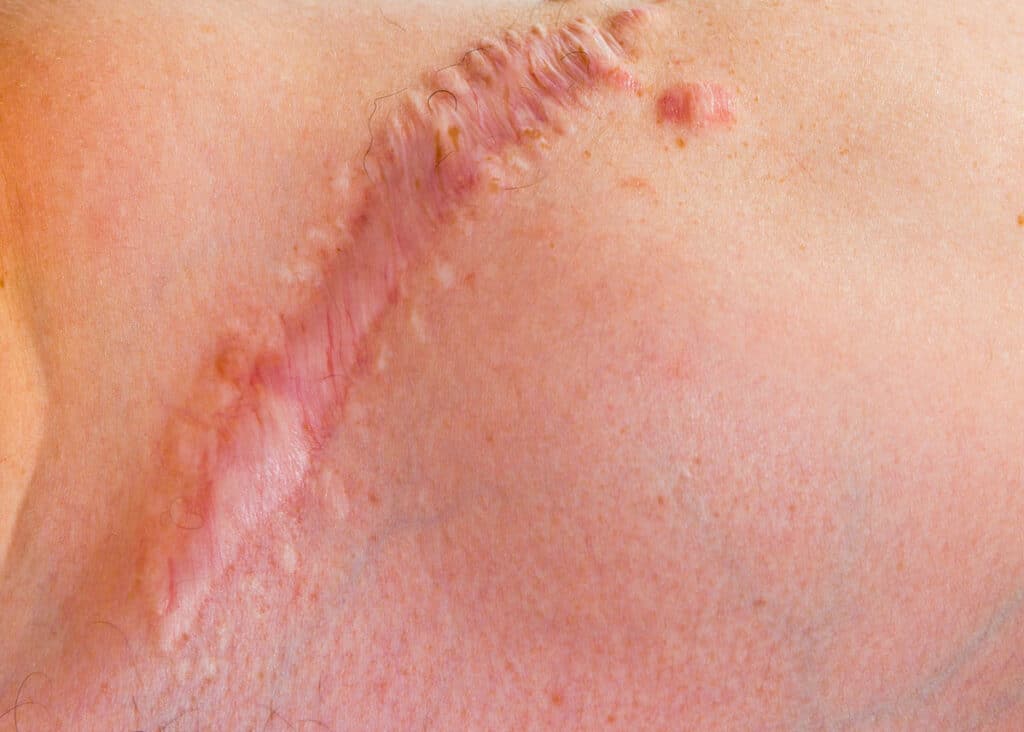
Various types of scars are treatable with fat grafting. These include surgical scars, acne scars, and burn scars. Each type of scar may respond differently to treatment. For example, severe acne scars may require more extensive fat grafting than superficial scars.
Procedure Overview
The process begins with liposuction to harvest the fat. Doctors typically use local anesthesia during this step. After collecting the fat, they prepare it for injection. Once ready, they inject the fat into the individual scar area using small needles.
Post-Treatment Care
Post-treatment care is essential for optimal results. Patients should follow their doctor’s instructions carefully. They may experience some swelling or bruising after the procedure, but this usually subsides within a few days. Most patients notice improvements in their scars over time as the skin heals with structural fat grafting.
Long-Term Results
Results from fat transfer can last several years, depending on individual factors like metabolism and lifestyle choices. Some patients may need multiple sessions for best outcomes, especially if treating severe acne scars or surgical scars, including structural fat grafting.
Is This Procedure Right for You
Ideal Candidates
Individuals with sunken scars or scars that have lost volume are often the best candidates for fat transfer. These types of scars can appear more pronounced and may affect one’s appearance and self-esteem, structural fat grafting. Fat transfer can help restore volume to these areas, leading to smoother skin.
People with flat or raised scars may not benefit as much from this procedure. The results vary based on the type and severity of the scar, including structural fat grafting. Those who have noticeable indentations in their skin may find this treatment particularly effective.
Donor Fat Availability
Sufficient donor fat is crucial for a successful grafting process. This fat typically comes from areas like the abdomen, thighs, or flanks. The surgeon will assess your body to determine if there is enough fat available for extraction.
If a patient lacks enough donor fat, the procedure may not be feasible. This limitation makes it important to evaluate one’s body composition before proceeding. A consultation with a specialist can provide insights into your options.
Consultation Importance
Consulting with a qualified specialist is essential. They can assess your overall health and discuss your goals. Each individual’s situation is unique, and a tailored approach is necessary for optimal results.
During the consultation, the specialist will examine your scars and medical history. They will also explain what you can expect from the procedure. Understanding potential risks and benefits is crucial in making an informed decision.
Health Considerations
Certain health conditions may impact eligibility for fat transfer. Individuals with specific skin disorders or those who smoke may face increased risks during recovery. Specialists often recommend quitting smoking prior to surgery to improve healing outcomes.
Patients should disclose all medications they take during their consultation. Some medications can affect blood clotting, which may complicate the procedure. Being open about health issues ensures safer treatment plans.
Setting Realistic Goals
Setting realistic expectations is key to satisfaction after the procedure. Fat transfer can improve the appearance of scars but may not completely erase them. Understanding the limitations of the treatment helps manage hopes effectively.
Discussing desired outcomes with a specialist allows for better alignment between expectations and reality. A clear understanding of what fat transfer can achieve leads to higher satisfaction rates post-procedure.
Preparing for the Procedure
Consultation Importance
Consultation plays a key role in preparing for fat transfer surgery. Patients should discuss their expectations with the doctor. This meeting helps clarify what can realistically be achieved. A thorough medical history review is essential. It allows the surgical team to identify any potential risks.
During this consultation, patients should mention any preoperative scars or previous surgeries. The doctor can assess these factors and tailor the procedure accordingly. Understanding personal health conditions is crucial for safety.
Avoiding Certain Substances
Avoiding specific medications and substances is vital before surgery. Blood thinners like aspirin can increase bleeding during the procedure. Patients should stop taking these at least a week prior. Alcohol and smoking can also hinder recovery. Smoking reduces blood flow, which is critical for healing.
Doctors often recommend quitting smoking several weeks before surgery. This helps improve skin quality and overall results. Following these guidelines minimizes complications during and after the surgery.
Arranging Post-Procedure Care
Post-procedure care needs careful planning. Fat transfer surgery may involve anesthesia effects that impair mobility. Patients should arrange for someone to drive them home. This ensures safety after the procedure.
Preparing a comfortable recovery area at home is also important. Swelling may occur, so having ice packs on hand can help reduce discomfort. Keeping prescribed medications nearby will aid in managing pain effectively.
Understanding Recovery Expectations
Recovery from fat transfer involves monitoring swelling and bruising. These are common side effects that usually resolve within a few weeks. Patients should follow their doctor’s instructions closely during this period.
Regular follow-ups with the doctor help track healing progress. It’s essential to report any unusual changes or concerns immediately. Proper care can significantly enhance the results of the surgery.
Graft Considerations
The procedure involves using grafts from donor areas on the body. Understanding how these grafts work is important for patients. The surgical team will explain where the fat will be taken from, like the abdomen or thighs.
Patients need to know that some swelling is normal as tissues adjust post-surgery. Patience is key during recovery as results improve over time.
How the Procedure Works
Fat Harvesting
The procedure begins with harvesting fat from a donor area. Surgeons often use liposuction techniques for this step. They insert a thin tube called a cannula into the skin. This tube removes excess fat through suction. Common donor areas include the abdomen, thighs, or hips.
Surgeons aim to collect enough fat without damaging surrounding tissues. The amount of fat needed varies based on the scar size method and treatment goals. After harvesting, the collected fat goes through a purification process.
Purification Process
Purifying harvested fat is crucial for success. This step ensures only healthy cells are used for transfer. Surgeons separate the fat from blood, oil, and other fluids. They often use a centrifuge to spin the fat. This spinning process helps isolate viable fat cells.
Once purified, the fat is ready for injection. The quality of these cells affects the overall results of the procedure. Healthy fat cells integrate better into the target area, leading to improved scar appearance.
Injection Technique
The final step involves precise injection of purified fat into targeted areas. Surgeons use small syringes for accuracy. They carefully inject fat into specific layers of tissue beneath the skin.
This technique allows for even distribution of fat in the scarred area. It also promotes natural scar formation processes by encouraging new tissue growth. The surgeon may adjust injection depth and volume based on individual needs.
Patients typically experience minimal discomfort during the injection phase. Some swelling and bruising may occur afterward but usually resolve quickly.
Surgeons monitor patients closely after the procedure to ensure proper healing. Follow-up appointments help assess results and make any necessary adjustments.
Fat transfer can significantly improve scars’ appearance over time. The body gradually absorbs some of the injected fat, but enough remains to enhance skin texture and volume.
Anesthesia Choices
General Anesthesia
General anesthesia is often preferred for more extensive fat transfer procedures. This type of anesthesia ensures that the patient remains completely unconscious during surgery. It is particularly useful when the procedure involves larger donor areas or multiple sites on the body.
In these cases, the surgeon may need to work for a longer duration. General anesthesia allows for a controlled environment where the patient feels no pain. Recovery from general anesthesia also varies, as patients may require additional monitoring after waking up.
Local Anesthesia with Sedation
Local anesthesia with sedation is commonly used for minor or less invasive fat transfer surgeries. This method numbs only the specific area where the fat will be harvested or injected. Patients remain awake but relaxed throughout the procedure.
This option is beneficial for procedures that do not require extensive manipulation of donor areas. Patients often report feeling minimal discomfort during the surgery. Sedation helps ease anxiety, making the experience more pleasant.
Patient Comfort and Safety
The choice of anesthesia plays a crucial role in ensuring both comfort and safety during fat transfer procedures. Surgeons assess each patient’s needs before deciding on the best approach. Factors such as medical history, anxiety levels, and the extent of surgery are taken into account.
Comfort is essential for a positive surgical experience. Proper anesthesia management reduces pain and stress during the procedure. Patients can focus on their recovery instead of worrying about discomfort.
Safety is equally important. Anesthesia providers monitor vital signs throughout the surgery. They ensure that patients remain stable and respond well to the medication used. This attention to detail minimizes risks associated with anesthesia.
Surgeons also discuss potential side effects with patients prior to surgery. Understanding what to expect helps alleviate concerns and prepares them for recovery.
In summary, choosing between general anesthesia and local anesthesia with sedation depends on the individual case. Each method has its advantages and fits different types of fat transfer surgeries. The right choice enhances both comfort and safety, leading to better outcomes.
Recovery and Aftercare
Swelling Management
Swelling is common after fat transfer for scar improvement. It usually peaks around 48 hours post-surgery. To manage this, apply ice packs to the affected area. This helps reduce swelling and provides comfort. Keep the ice on for about 15-20 minutes every hour during the first day.
Elevating the treated area also aids in reducing swelling. Try to keep your head elevated while resting. This position encourages fluid drainage and minimizes puffiness.
Bruising Care
Bruising may occur after the procedure. It can last from a few days to several weeks. To help with bruising, avoid strenuous activity. Activities that increase heart rate can worsen bruising. Gentle movements are better during recovery.
Arnica gel or cream can be applied to bruised areas to promote healing. Always consult your doctor before using any topical treatments. They can recommend safe options.
Follow Aftercare Instructions
Following aftercare instructions is crucial for optimal healing. Doctors provide guidelines specific to each patient’s needs. These instructions often include how to care for the treatment area and when to change bandages.
Avoid touching or scratching the treated site. This prevents infection and helps with subsequent scarring. Stay away from sun exposure as well. UV rays can darken scars, making them more noticeable.
Typical Recovery Timeline
The recovery timeline varies per individual but generally follows a pattern. Most patients can return to light activities within a week. However, full recovery may take up to three weeks.
During the first week, rest is essential. Avoid heavy lifting or intense workouts until cleared by your doctor. By the second week, many people return to normal daily routines, but caution is still needed.
By the third week, most cosmetic changes post treatment become visible. At this point, swelling should decrease significantly, revealing improved skin texture and appearance.
Emotional Considerations
Recovery involves emotional adjustments as well. Patients may feel anxious about how their scars will look after healing. Support from friends and family can ease these feelings. Sharing experiences with others who have undergone similar procedures can be beneficial too.
Patience is vital during recovery. Scars improve over time as the body heals and repairs itself naturally.
Expected Results
Realistic Expectations
Fat transfer for scar improvement offers natural-looking outcomes. However, results are not permanent like some fillers. The fat injected can be absorbed by the body over time. This means that while some improvement may last, others might fade. Patients should have realistic expectations regarding longevity.
e studies show that around 50% to 70% of transferred fat can survive long-term. This depends on various factors, including the technique used and the patient’s health. Understanding this helps set a clear expectation for those considering this procedure.
Gradual Improvement
Gradual improvement in scar appearance occurs as the fat integrates into the surrounding tissue. Initially, patients may notice swelling or soreness after the procedure. As healing progresses, the scars begin to look smoother and less noticeable.
Photos taken before and after the procedure often show significant differences over time. Many individuals report satisfaction with their results several months post-treatment. The final outcome may take up to six months to fully present itself, as the body adjusts and settles.
Long-Term Satisfaction
Long-term satisfaction is a key benefit of fat transfer procedures. The results tend to blend well with natural skin texture. Unlike fillers that may require frequent maintenance, fat transfer can provide more lasting effects.
Patients often find that their scars appear softer and less defined after treatment. This is due to the way fat fills in depressions in the skin left by scars. A dedicated medical team plays an essential role in ensuring proper technique and care during the process.
The potential for improved appearance is significant. Many people feel more confident after seeing their enhanced features. They appreciate how this method uses their own tissue, leading to fewer complications compared to synthetic fillers.
Side Effects
While most patients tolerate fat transfer well, there are potential side effects. Soreness at both the donor and recipient sites can occur. Some might experience swelling or bruising as part of the healing process.
These side effects usually subside within a few weeks. It is important for patients to follow post-procedure instructions carefully. This ensures optimal results and minimizes discomfort.
In summary, fat transfer for scar improvement offers promising results with proper expectations. Patients can see gradual changes in their scar’s appearance over time. Long-term satisfaction often follows due to natural-looking outcomes achieved through this method.
Risks and Considerations
Potential Complications
Fat transfer for scar improvement carries some risks. Complications can arise, even in skilled hands. Common issues include infection, asymmetry, and fat absorption.
Infection can occur at the site of injection or extraction. It may require antibiotics or other treatments. Asymmetry happens when the results are uneven. This can be due to how much fat is injected into each side. Fat absorption is another concern. The body may absorb some of the transferred fat over time. This can change the final appearance of the treated area.
Choosing a Qualified Surgeon
Selecting a qualified and experienced surgeon is crucial. A board-certified plastic surgeon has the training needed for this procedure. They should have experience specifically with fat transfer techniques. Researching their credentials and past work can help ensure safety.
Patients should ask about the surgeon’s success rates and patient satisfaction. Reading reviews from previous patients provides insight into their experiences. A good surgeon will discuss potential risks openly and answer any questions.
Managing Expectations
Realistic expectations play a significant role in recovery. Understanding that results may vary helps in coping with the outcome. Some patients expect immediate perfection, but that is often not the case. Healing takes time, and swelling can obscure results initially.
Discussing expected outcomes with the surgeon is important before surgery. They should explain what is achievable based on individual circumstances. Patients must consider their skin type, age, and overall health in these discussions.
Post-procedure care also affects results. Following aftercare instructions can help minimize complications. This includes avoiding certain activities that could harm the healing process.
Summary
Fat transfer for scar improvement can be a game-changer for many. This procedure uses your own body fat to smooth out scars, offering a natural look and feel. Understanding the process, preparation, and recovery is crucial for achieving the best results. You’ve learned about anesthesia options, expected outcomes, and potential risks.
If you’re considering this treatment, weigh your options carefully. Consult with a qualified professional to discuss your specific needs. They can guide you through the process, ensuring you make informed choices. Remember, taking action today can lead to a more confident tomorrow. Don’t hesitate—explore fat transfer for scar improvement and discover how it can enhance your life!
Frequently Asked Questions
What is fat transfer for scar improvement?
Fat transfer for scar improvement is a cosmetic procedure that uses your own body fat to fill in and smooth out scars. It enhances the skin’s texture and appearance, promoting a more even surface.
How long does the procedure take?
The fat transfer procedure typically takes 1 to 2 hours, depending on the complexity of the scars being treated. This includes both fat harvesting and injection.
Is fat transfer safe?
Yes, fat transfer is generally considered safe when performed by a qualified professional. Using your own fat reduces the risk of allergic reactions or complications.
How long is the recovery period?
Recovery usually takes about 1 to 2 weeks. Most patients can resume normal activities within a few days, but full results may take several months to appear.
Will I see immediate results?
You may notice some improvement immediately after the procedure. However, final results develop over time as swelling decreases and the fat settles into place.
Are there any risks involved?
Like any medical procedure, fat transfer carries risks such as infection, uneven results, or fat reabsorption. Discuss these with your surgeon to understand your specific situation.
How many sessions will I need?
Many patients achieve satisfactory results after one session. However, some may require additional treatments depending on their individual goals and scar severity.