Acne scars can be a frustrating reminder of past breakouts. While many treatments promise results, few deliver the smooth skin you desire. Addressing acne scars with plasma gas treatments stands out as a game-changer. This innovative approach uses advanced technology to rejuvenate your skin effectively. Unlike traditional methods that may take weeks to show improvement, plasma gas treatments offer quicker results with minimal downtime. You can regain your confidence faster and enjoy a clearer complexion. Say goodbye to ineffective solutions and embrace this cutting-edge treatment. Your journey to smoother skin starts here, with scar treatment procedures and plasma fibroblast treatment, transforming not just your appearance but also how you feel about yourself.
Key Takeaways
- Plasma gas treatments can effectively reduce the appearance of various types of acne scars, making them a viable option for those seeking clearer skin.
- Understanding the different types of acne scars is crucial, as it helps in choosing the right treatment method for your specific needs.
- The plasma pen works by stimulating collagen production, which is essential for skin healing and scar reduction.
- While many patients report positive results, it’s important to weigh the effectiveness against potential side effects and consult with a professional before starting treatment.
- Following post-treatment care tips can significantly enhance results and minimize complications after plasma therapy.
- Consider alternative acne scar solutions if plasma therapy isn’t suitable for you, ensuring you explore all options available for scar treatment.
Understanding Plasma Gas Treatments
Plasma Concept
Plasma is a state of matter. It consists of ionized gas. This means that the gas has been energized to the point where plasma fibroblast electrons are separated from atoms in plasma skin resurfacing. This process creates charged particles. These particles can interact with skin cells in unique ways.
Plasma treatments utilize this ionized gas to rejuvenate skin. The energy emitted from plasma skin resurfacing helps stimulate healing processes in the body during plasma fibroblast treatment. As a result, many people seek plasma treatments for various skin issues, including acne scars.
Treatment Differences
Plasma gas treatments stand apart from traditional skincare methods. Traditional methods often include creams, chemical peels, and laser therapies. These methods, such as plasma skin resurfacing, can be effective but usually come with longer recovery times.
In contrast, plasma treatment focuses on energy delivery directly to the skin’s surface. It does not require invasive procedures or long downtime. Patients often experience minimal discomfort during the procedure. The results can be seen within days as the skin begins to heal and regenerate.
Science of Collagen Production
The science behind plasma treatments lies in their ability to stimulate collagen production. Collagen is vital for maintaining skin elasticity and firmness. When plasma is applied to the skin, it triggers a healing response.
This response encourages fibroblasts to produce more collagen and elastin. Fibroblasts are cells that play a crucial role in wound healing, plasma skin resurfacing, and tissue repair. Increased collagen levels help reduce the appearance of acne scars over time.
Research shows that these treatments can enhance cellular regeneration. For instance, a study published in “Dermatologic Surgery” noted significant improvements in scar appearance after plasma treatments.
Patients typically undergo multiple sessions for optimal results. Each session builds upon the last, allowing for continued improvement in skin texture and tone.
Benefits of Plasma Treatments
- Minimal Downtime: Most patients resume normal activities quickly.
- Effective Results: Many see significant improvements in skin texture.
- Non-Invasive: No need for surgical procedures or extensive recovery periods.
Types of Acne Scars
Ice Pick Scars
Ice pick scars are narrow and deep. They often resemble small puncture marks on the skin. These scars occur when acne lesions damage the skin deeply. The result is a scar that looks like it has been made by a sharp object after plasma skin resurfacing. Ice pick scars can be challenging to treat due to their depth. They may require specialized treatments for effective results.
Boxcar Scars
Boxcar scars have a distinct shape. They are wider than ice pick scars, have defined edges, and are treated with plasma skin resurfacing. These scars create a sunken appearance on the skin. Boxcar scars often appear in clusters, giving the skin an uneven texture. They form when acne affects the dermis layer of the skin. Identifying these scars helps in choosing the right treatment.
Rolling Scars
Rolling scars present a different challenge. They have a wave-like appearance, creating undulations on the skin surface. This type of scar occurs when fibrous tissue forms under the skin due to acne inflammation. Rolling scars can make the skin look uneven and bumpy. Their unique structure requires specific treatment methods for improvement.
Importance of Identification
Identifying the correct type of acne scar is crucial for effective treatment planning. Each scar type responds differently to various treatments. For example, plasma gas treatments may work well for some types but not others. Knowing the characteristics of each scar allows for targeted interventions like plasma skin resurfacing.
Effective treatment begins with understanding the problem. Patients should consult with dermatologists to assess their scars accurately, including options like plasma skin resurfacing. A thorough evaluation can lead to personalized treatment plans that address individual needs.
Different treatments exist for each scar type. Ice pick scars might benefit from laser therapy or dermal fillers, while boxcar scars could respond well to microneedling or chemical peels. Rolling scars may require more comprehensive approaches like subcision or radiofrequency treatments.
How Plasma Pen Works
Mechanism of Action
The plasma pen uses electrical energy to create ionized gas. This process involves a high-frequency current that transforms air into plasma. The ionized gas generates heat, which is essential for the treatment. This heat affects the skin at a very targeted level.
Electrical energy flows through the device. It creates tiny arcs of plasma, which touch the skin’s surface without causing significant damage. This controlled energy delivery makes it effective for treating acne scars.
Creation of Plasma Arcs
During plasma pen treatments, the device emits small bursts of plasma. These arcs form on the skin with precision. Each arc is brief and localized, minimizing discomfort and recovery time.
As the plasma contacts the skin, it causes micro-injuries. These injuries stimulate the body’s natural healing response. The skin begins to repair itself almost immediately after treatment.
Collagen and Elastin Stimulation
The micro-injuries trigger collagen and elastin production. Both substances are vital for maintaining skin elasticity and firmness. Increased collagen helps fill in acne scars over time.
Fibroblasts are cells responsible for producing collagen. The heat from the plasma pen activates these fibroblasts. As a result, new collagen fibers form in the treated areas.
Patients often notice improvements within a few weeks after their session. Skin texture becomes smoother as collagen levels rise. Over several months, scars can fade significantly.
Plasma pen treatments usually require multiple sessions for optimal results. Each session builds upon the last, enhancing overall skin quality.
Treatment Duration
Sessions typically last around 30 to 60 minutes, depending on the area being treated. Most patients find this timeframe manageable. After treatment, some redness may occur but usually subsides quickly.
Recovery varies by individual but often includes minimal downtime. Many return to daily activities shortly after their session.
Long-term Benefits
Results can last for years with proper skincare maintenance. Following up with sunscreen and moisturizers helps prolong effects. Patients should consult with professionals for personalized skincare routines.
Effectiveness for Acne Scars
Treatment Suitability
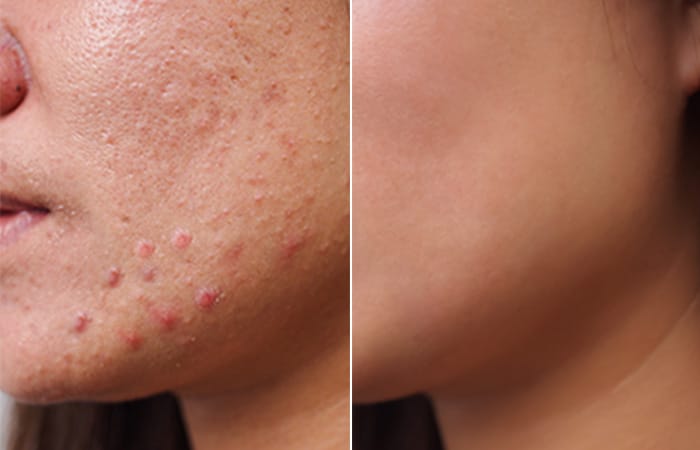
Plasma pen treatments are effective for mild to moderate acne scars. These innovative skincare therapies use plasma gas to rejuvenate the skin. The process promotes skin regeneration and stimulates collagen production. This helps improve the texture and appearance of scars.
Patients often see significant scar improvement after several sessions. The fractional skin resurfacing techniques used in plasma treatments target specific areas. This minimizes damage to surrounding skin, allowing for quicker recovery. Many individuals report smoother skin and a reduction in visible scarring.
Limitations of Treatment
Plasma pen treatments have limitations for deep or severe acne scars. These types of scars often require more intensive procedures. Surface cosmetic surgery or dermatological laser devices may be better options for severe cases.
Deep scars may not respond well to plasma treatments alone. They can still appear prominent even after multiple sessions. Patients with deeper scarring should discuss alternative options with their dermatologist. A tailored approach ensures the best results based on individual needs.
Professional Consultation Recommended
Consulting a professional is crucial before starting any treatment. A dermatologist can assess the type and severity of your acne scars. They can determine if plasma pen treatment is suitable for you.
A professional consultation allows for personalized advice. Dermatologists can provide insights on combination therapies as well. This could include using lasers alongside plasma treatments for enhanced results.
Benefits of Plasma Therapy
Non-Surgical Approach
Plasma therapy offers a non-surgical option for skin rejuvenation. This treatment uses plasma gas to stimulate skin regeneration. It targets acne scars effectively without the need for invasive procedures. Many patients prefer this method due to its safety and effectiveness.
The plasma fibroblast treatment works by creating tiny micro-injuries in the skin. This process triggers the body’s natural healing response. As a result, new collagen forms, improving skin elasticity and firmness. Patients can achieve noticeable results without undergoing surgery.
Minimal Downtime
Another advantage is the minimal downtime associated with plasma pen treatments. Most people can return to their daily activities shortly after the procedure. Some may experience slight redness or swelling, but these effects typically fade within a few days.
Patients often appreciate the convenience of this treatment. Unlike surgical options, which may require weeks of recovery, plasma therapy allows individuals to resume normal routines quickly. This accessibility makes it an appealing choice for those with busy lifestyles.
Improved Skin Texture
Plasma therapy also enhances overall skin texture. The treatment promotes smoother skin by reducing fine lines and wrinkles. Many users report a visible improvement in their complexion after just one session.
The plasma skin resurfacing process helps eliminate dead skin cells while encouraging new cell growth. This leads to healthier, more vibrant skin over time. Regular sessions can further enhance these benefits, providing long-lasting results.
e studies have shown that plasma fibroblast treatment can improve various skin conditions beyond acne scars. For example, it can treat sun damage and age spots effectively. This versatility adds to its appeal as a comprehensive skincare solution.
Treatment Plan
Considering a plasma fibroblast treatment plan involves understanding your specific needs. Consultation with a qualified practitioner is essential to outline goals and expectations. They will assess your skin type and condition before recommending the best approach.
A typical plan may include multiple sessions spaced several weeks apart. This schedule ensures optimal healing and results. Each session builds upon the last, leading to improved skin quality over time.
Patients should be aware that results can vary based on individual factors such as age and skin condition. However, many find that the benefits outweigh any uncertainties.
Potential Side Effects
Common Effects
Plasma gas treatments can lead to some common side effects. Redness is typical after the procedure. The skin may appear flushed for a few hours or even days. Swelling often accompanies redness. This swelling usually subsides within a few days.
Temporary discomfort is another common issue. Patients might feel a mild burning sensation during and after treatment. Most find this manageable with over-the-counter pain relief.
Post-Care Importance
Following post-treatment care instructions is crucial. Proper care helps reduce the risk of complications. Patients should avoid sun exposure for several weeks post-treatment. Sunscreen becomes essential to protect healing skin.
Moisturizing the treated area is also important. Keeping the skin hydrated aids in recovery. Avoiding harsh products ensures that the skin heals properly.
Professional Consultation
Consulting with a professional before undergoing plasma therapy minimizes risks. A qualified practitioner evaluates each person’s skin type and condition. They can provide tailored advice on what to expect from the treatment.
Discussing potential side effects during the consultation is vital. Understanding these risks helps patients make informed decisions.
Result Expectations
Results from plasma gas treatments vary among individuals. Some may notice improvements shortly after treatment, while others might take longer to see results. Patience is necessary as full results may take weeks to manifest.
Monitoring progress post-treatment helps identify any unusual reactions early on. If unexpected side effects occur, contacting a healthcare provider is essential.
Special Considerations
Certain factors can influence side effects and results. For instance, individuals with sensitive skin may experience more pronounced reactions. Discussing any pre-existing conditions during consultation is important.
e clinics offer exclusive deals or promotions for plasma treatments. Signing up for VIP access can provide discounts or specials on future sessions.
Final Thoughts
Understanding potential side effects prepares patients for what lies ahead. Knowledge about common reactions like redness, swelling, and discomfort helps set realistic expectations.
Adhering to post-care instructions enhances healing and reduces complications. Consulting professionals ensures personalized advice tailored to individual needs.
Treatment Process Overview
Session Steps
A plasma pen session typically begins with an evaluation by the provider. This step helps determine the appropriate treatment plan for individuals. The provider assesses the skin and discusses goals.
Next, a numbing cream is applied to minimize discomfort. This cream usually takes about 30 minutes to work. Once numb, the provider uses the plasma pen on the treatment site. The device creates tiny dots on the skin, targeting acne scars effectively.
The actual treatment lasts around 30 to 60 minutes, depending on the area being treated. Patients may feel a slight tingling sensation during the procedure. Afterward, the skin may appear red and swollen, similar to a mild sunburn.
Recovery Timeline
Recovery from plasma gas treatments varies by individual. Most people notice significant improvement within one week. Swelling and redness often subside in three to five days. However, complete healing can take up to two weeks.
During this time, individuals should avoid direct sunlight and harsh skincare products. It’s essential to follow post-treatment care instructions provided by the center. This includes keeping the area clean and moisturized.
Pre-Treatment Preparations
Before receiving treatment, individuals should prepare adequately. Providers often recommend avoiding blood thinners like aspirin for at least a week prior. This helps reduce the risk of excessive bleeding during the procedure.
Hydration is also crucial before treatment. Drinking plenty of water keeps skin healthy and can enhance results. It’s advisable to avoid alcohol and smoking for a few days leading up to the session.
Post-Treatment Care Essentials
Post-treatment care plays a vital role in recovery and results. Individuals should apply a gentle moisturizer recommended by their provider. This helps soothe the skin and promotes healing.
Avoid picking or scratching at scabs that form after treatment. Doing so can lead to scarring or infections. Using sunscreen is critical as well; it protects sensitive skin from UV damage.
Providers often schedule follow-up appointments to monitor progress. These visits allow for further evaluation of the treatment’s effectiveness and any necessary adjustments.
Post-Treatment Care Tips
Sun Protection
Patients must avoid sun exposure after plasma gas treatments. UV rays can worsen the appearance of acne scars. Using sunscreen diligently is crucial. A broad-spectrum sunscreen with an SPF of at least 30 protects the skin. Apply it every two hours if outdoors. This practice helps in reducing pigmentation changes and promotes healing.
Wearing a wide-brimmed hat can also provide extra shade. Staying indoors during peak sunlight hours is advisable. These simple steps significantly enhance recovery.
Cleanliness
Keeping the treated area clean is essential for healing. Patients should gently wash their face with mild soap twice daily. Avoid scrubbing or using harsh cleansers, as these can irritate the skin.
Moisturizing the area helps maintain hydration. Choose a non-comedogenic moisturizer to prevent clogged pores. Moisturizers with ingredients like hyaluronic acid can be beneficial. They promote skin repair and comfort during recovery.
Gentle Skincare Products
Using gentle skincare products aids in healing after plasma gas treatments. Patients should select products labeled “sensitive” or “for post-procedure use.” These formulations usually contain soothing ingredients.
Avoid products with alcohol, fragrances, or strong exfoliants. Such ingredients can irritate sensitive skin and delay healing. Instead, opt for soothing gels or creams that calm inflammation.
Incorporating antioxidants into your routine may also help. Ingredients like vitamin C can enhance skin repair and improve texture over time.
Follow-Up Communication
Regular follow-up with healthcare providers is important. Patients should not hesitate to email their doctors with questions or concerns about their recovery process. Open communication ensures any issues are addressed quickly.
Doctors may recommend specific products based on individual skin types and needs. Following their advice will lead to better results and satisfaction with the treatment.
Lifestyle Adjustments
Making some lifestyle adjustments can further support recovery. Staying hydrated by drinking plenty of water is vital for skin health. A balanced diet rich in vitamins and minerals fosters healing from within.
Avoiding smoking and limiting alcohol consumption also benefits skin recovery. Both habits can slow down the healing process and worsen skin conditions.
Alternative Acne Scar Solutions
Subcision Treatment
Subcision offers a unique approach to treat persistent acne scars. This method involves inserting a needle under the skin. The needle breaks apart fibrous bands that tether the scar to deeper tissues. Patients often see improvement in the texture of their skin after this procedure. Studies show that subcision can be particularly effective for atrophic acne scars.
This treatment works best on moderate to heavy acne scars. It may require multiple sessions for optimal results. Many dermatologists recommend combining subcision with other treatments for better outcomes.
TCA Cross Method
TCA Cross uses trichloroacetic acid to treat stubborn acne scars. This technique focuses on specific areas of scarring, applying acid directly to the scarred tissue. The process encourages collagen production and skin renewal. TCA Cross is most effective for boxcar scars, which are a type of atrophic acne scarring.
Patients often experience peeling and redness post-treatment. Results typically improve over several weeks as the skin heals. It’s crucial to consult a dermatologist to determine if TCA Cross suits your scar type.
Laser Therapy Options
Laser therapy is another popular choice for treating facial acne scars. Different types of lasers target various scar depths and types. Ablative lasers remove layers of skin, promoting new growth. Non-ablative lasers stimulate collagen without damaging the outer layer.
Research indicates that laser therapy can significantly reduce the appearance of both atrophic and hypertrophic scars. Multiple sessions may be necessary for noticeable improvements. Side effects include temporary redness and swelling, but these usually resolve quickly.
Comparing Effectiveness
Each treatment option has its own strengths based on scar type and severity. Subcision excels for tethered scars while TCA Cross targets specific areas effectively. Laser therapy offers versatility across different scar types but may require more time and investment.
The effectiveness also varies between individuals due to skin type and healing response. Consulting a qualified dermatologist helps tailor a plan that addresses specific needs.
Individual Needs Matter
Exploring multiple options is essential for anyone struggling with acne scarring. Each person’s skin responds differently to treatments. Factors like age, skin type, and scar depth influence the choice of treatment.
Combining treatments may yield the best results for severe cases. For example, using subcision along with laser therapy can enhance overall effectiveness. Always discuss your options thoroughly with a professional before starting any treatment.
Summary
Plasma gas treatments offer a promising solution for addressing acne scars. You’ve learned about how these therapies work, the types of scars they target, and their effectiveness. With benefits like minimal downtime and long-lasting results, plasma therapy stands out among alternatives. However, being aware of potential side effects and following post-treatment care is crucial for optimal results.
If you’re considering plasma gas treatments for your acne scars, it’s time to take action. Consult with a qualified professional to discuss your options. Get informed and make a choice that suits your skin needs. Don’t let acne scars hold you back any longer—embrace the journey to clearer skin today!
Frequently Asked Questions
What are plasma gas treatments for acne scars?
Plasma gas treatments use ionized gas to stimulate skin regeneration. This non-invasive procedure promotes collagen production, helping to reduce the appearance of acne scars effectively.
How long does a plasma treatment session take?
A typical plasma treatment session lasts between 30 to 60 minutes, depending on the area being treated. This makes it a convenient option for those with busy schedules.
Is plasma therapy painful?
Most patients report minimal discomfort during the procedure. A topical anesthetic is usually applied beforehand to enhance comfort, making the experience more tolerable.
How many sessions are needed for optimal results?
Generally, 2 to 3 sessions are recommended for best results. However, individual needs may vary based on scar severity and skin type.
What should I expect after the treatment?
Post-treatment, you may experience redness and slight swelling. These effects typically subside within a few days as your skin begins to heal and regenerate.
Are there any side effects of plasma gas treatments?
Potential side effects include temporary redness, swelling, or crusting. Serious complications are rare when performed by a qualified professional.
Can anyone undergo plasma therapy for acne scars?
While most people can benefit from plasma therapy, those with certain skin conditions or health issues should consult a dermatologist first to ensure it’s safe for them.