
Struggling with stubborn cellulite? Laser treatments for cellulite offer a promising solution. These innovative procedures target and break down fat deposits beneath the skin, smoothing out those pesky dimples. With minimal downtime and impressive results, many are turning to lasers in dermatology as an effective way to address skin changes, enhance body image, and treat skin irregularities.
Understanding the benefits of laser therapy et al. can help you make informed decisions about your skincare journey, as the bottom line is the effect and result it has on your skin. From improved skin texture to long-lasting effects, these treatments are changing the game in body contouring. Discover how laser technology is transforming lives and making cellulite less of a concern than ever before.
Key Takeaways
- Laser treatments can effectively reduce the appearance of cellulite, making them a viable option for those looking for smoother skin.
- Understand the different types of laser procedures available, as each has unique benefits and may suit different skin types and concerns.
- Research shows that combining laser treatments with other methods, like lifestyle changes, can enhance results and improve overall skin texture.
- Consult with a qualified expert to determine if you are a good candidate for laser treatments, as individual factors can influence effectiveness.
- Keep in mind that while lasers can help, they may not completely eliminate cellulite; managing expectations is crucial.
- Compare laser options with non-laser methods to find the best fit for your goals and budget.
Understanding Cellulite and Treatments
Definition
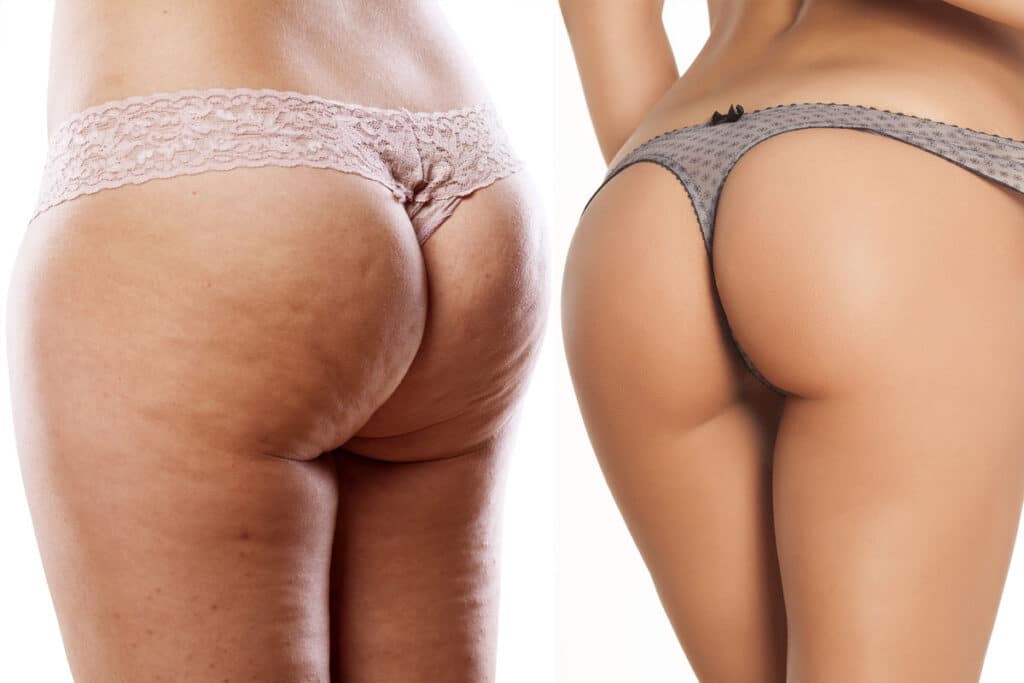
Cellulite is a common skin condition. It appears as dimpled skin, often on the thighs, buttocks, and abdomen. This condition affects both men and women but is more prevalent in women.
Causes
Several factors contribute to the development of cellulite. Genetics plays a significant role. If family members have it, you are more likely to develop it too. Hormonal changes also influence its appearance. For instance, estrogen can affect fat distribution and skin elasticity.
Lifestyle choices impact cellulite as well. Lack of exercise can lead to unwanted fat accumulation. Poor diet, high in processed foods, may worsen the condition. Smoking and dehydration also contribute to the problem by affecting blood flow and skin health.
Treatment Options
Many treatments exist for managing cellulite. These include topical creams, massages, and advanced procedures like laser treatments.
Topical creams claim to reduce the appearance of cellulite. Some contain caffeine or retinol, which may help tighten the skin temporarily. However, results vary from person to person.
Massages can improve circulation and lymphatic drainage. They may provide temporary relief but do not eliminate cellulite completely. Regular massage sessions might enhance skin texture over time.
Laser cellulite reduction is another option. This method uses focused light energy to target fat cells under the skin. The heat helps break down the fat and stimulates collagen production. As a result, skin appears smoother after treatment.
The cellulite laser procedure typically requires multiple sessions for optimal results. Patients usually notice improvements within weeks after treatment.
Liposuction is sometimes considered but is not a primary solution for cellulite removal. It targets larger areas of fat rather than the dimpled texture of cellulite.
Numerous treatments exist, each with varying effectiveness. It’s essential to consult a healthcare provider before starting any treatment plan.
How Laser Treatments Work
Targeting Fibrous Bands
Laser treatments specifically target the fibrous bands beneath the skin. These bands can pull down on the skin, creating the dimpled appearance known as cellulite. The laser energy penetrates the skin, breaking down these fibrous bands. This process helps to release tension and smooth out the skin’s surface.
The targeted approach allows for precise treatment of affected areas. It focuses on layers of tissue without damaging surrounding skin. This precision minimizes discomfort and speeds up recovery time. Clinical studies show that patients often notice improvements after just a few sessions.
Stimulating Collagen Production
Inserting a laser fiber into the skin is a crucial part of the treatment. This fiber delivers laser energy directly into the tissue. As it does so, it stimulates collagen production in the dermal layer of the skin. Increased collagen helps to thicken the skin and improve its elasticity.
New collagen fibers form over time, enhancing overall skin quality. Thicker skin can mask the appearance of cellulite more effectively than thinner skin. Many patients report smoother skin texture following multiple treatment sessions.
Improving Skin Texture
Laser heat plays a significant role in improving skin texture. Heat from the laser causes a mild inflammatory response in the treated area. This response encourages healing and promotes tissue remodeling. As a result, patients often experience firmer, tighter skin.
The heat also aids in breaking down fat cells that contribute to cellulite. By targeting these cells, laser treatments help reduce their size and visibility. Patients frequently see a reduction in dimpling and an improvement in overall appearance.
Treatment Sessions
Typically, multiple treatment sessions are necessary for optimal results. Most clinics recommend a series of three to six sessions spaced several weeks apart. Each session lasts around 30 to 60 minutes, depending on the area being treated.
After completing all recommended sessions, many patients enjoy long-lasting effects. Regular follow-up treatments may help maintain results over time.
Types of Laser Procedures
Cellulaze™
Cellulaze™ is a minimally invasive procedure designed for cellulite reduction. This medical procedure uses laser technology to target the structural problems beneath the skin. It addresses the fibrous bands that cause the dimpled appearance of cellulite.
During the treatment, a small tube is inserted under the skin. The laser energy then breaks down these bands and helps smooth out the skin’s surface. Most patients see results that last longer than traditional treatments. Many report improvements for up to one year after the procedure.
Other Laser Treatments
Several other laser treatments exist for cellulite. These options offer temporary results, typically lasting around six months or more. Some popular choices include non-invasive procedures like smooth beam lasers and radiofrequency devices.
Smooth beam lasers work by heating the skin’s upper layers. This stimulates collagen production, which can reduce the appearance of cellulite. Radiofrequency devices also heat tissues but penetrate deeper into the skin. Both treatments are less invasive than Cellulaze™ but may require multiple sessions to achieve noticeable results.
Invasiveness and Duration
The main differences between these laser procedures lie in their invasiveness and duration of results. Cellulaze™ is more invasive as it involves inserting a cannula under the skin. However, it offers longer-lasting effects compared to non-invasive methods.
In contrast, smooth beam lasers and radiofrequency treatments are less invasive. They do not require any incisions or anesthesia, making recovery easier for patients. Unfortunately, their results are not as long-lasting as those from Cellulaze™.
Patients should consider their goals when choosing a treatment option. Those seeking immediate and temporary fixes might prefer smoother beam lasers or radiofrequency devices. Individuals looking for more significant and longer-lasting outcomes may opt for Cellulaze™ despite its invasiveness.
Effectiveness of Laser Options
Cellulaze™ Results
Cellulaze™ is a popular treatment option for cellulite. It works by targeting the structural problems beneath the skin. This procedure can reduce the appearance of cellulite noticeably. Studies show that the results can last over a year. Patients often report smoother skin after treatment.
The process involves using laser energy to break down fat and tighten the skin. This dual action helps improve skin texture. Many individuals find this method effective compared to traditional lotions or creams.
Cellfina™ Success
Cellfina™ is another effective treatment option for cellulite. This method focuses on reducing skin dimpling. It uses a small device to cut the fibrous bands that pull down on the skin. The success rate is significant, with results lasting up to 2 years.
Patients appreciate this option because it provides quick recovery times. Most people return to their normal activities soon after treatment. They also notice improvements in their skin’s appearance quickly after the procedure.
Vacuum-Assisted Tissue Release
Vacuum-assisted tissue release is an innovative approach for treating cellulite. This technique combines suction with mechanical massage. It targets the areas affected by cellulite effectively. Results from this treatment option can last up to 3 years.
Many patients enjoy longer-lasting effects from this method compared to other options. This approach may not be as well-known as others, but its effectiveness is evident. It offers a non-invasive way to address cellulite without significant downtime.
Side Effects and Considerations
Like any medical procedure, these treatments have potential side effects. Common reactions include swelling, bruising, and temporary discomfort at the treatment site. These side effects usually resolve within a few days.
It’s essential to consult a qualified professional before choosing a treatment option. They can provide information tailored to individual needs and expectations. Understanding the potential risks and benefits is crucial for making informed decisions.
Research Findings on Laser Techniques
Temporary Reduction
Research studies have shown that laser therapy can lead to a temporary reduction in the appearance of cellulite. Various techniques utilize laser energy to target and break down fat deposits beneath the skin. One prominent study published in Dermatologic Surgery found that patients experienced noticeable improvements after undergoing laser treatments. The results showed smoother skin texture and reduced dimpling.
These findings suggest that laser treatments can be effective for short-term results. However, the effects are not permanent. Patients often require multiple sessions to maintain their results. This need for ongoing treatment raises questions about the overall effectiveness of laser options.
Need for More Evidence
Despite promising findings, further research is necessary to confirm the long-term effectiveness of these treatments. Many studies focus on immediate outcomes rather than sustained benefits. A comprehensive review of available literature indicates a gap in knowledge regarding how long the effects last after treatment stops.
Future research should explore various aspects of skin resurfacing with lasers. This includes understanding the optimal number of sessions and the best maintenance strategies. Clinical trials with larger sample sizes could provide more reliable data on long-term results.
Patient Satisfaction
Patient satisfaction remains high despite the need for more evidence. Many individuals report positive experiences following laser treatments for cellulite. Surveys indicate that most patients appreciate the improvement in their skin’s appearance. They often describe feeling more confident after treatment.
Even though some may experience side effects like dark spots or scar lumps, many still find value in the results. Satisfaction levels suggest that patients are willing to accept minor risks for visible improvements.
Techniques and Technologies
Various technologies exist within laser treatments, including radiofrequency and ultrasound methods. These approaches combine different forms of energy to enhance treatment efficacy. Each method aims to achieve precise tissue release while minimizing damage to surrounding areas.
Research shows that combining these techniques can improve outcomes. For example, using suction along with laser energy might enhance fat breakdown and skin tightening. Studies have highlighted this synergy as a potential area for future exploration.
Determining Candidacy for Laser
Skin Evaluation
Evaluating skin type is crucial before considering laser treatments for cellulite. Different skin types react differently to laser procedures. People with darker skin tones may face a higher risk of complications. This includes potential hyperpigmentation or changes in skin texture.
The severity of cellulite also plays a significant role. Mild cases might respond well to laser therapy, while severe cases may require additional treatments. Understanding both skin type and the extent of cellulite helps set realistic expectations.
Dermatologist Consultation
Consulting with a dermatologist is essential. A qualified professional can assess individual conditions and recommend the best approach. They will review medical history and any existing health issues, including previous skin cancer diagnoses.
Dermatologists can determine if laser treatment aligns with personal health goals. They will explain the procedure and what to expect during recovery. This step ensures informed decision-making regarding the suitability of laser treatments.
Risks and Benefits
Considering potential risks is important when evaluating laser treatments. Risks include skin irritation, swelling, or infection after the procedure. Individuals with certain health conditions should be cautious. For example, those with autoimmune disorders may have different responses to treatments.
Benefits often outweigh risks for many patients. Laser treatments can improve skin appearance and reduce the visibility of cellulite. Many see positive results within weeks of treatment, leading to increased confidence.
Patients must weigh their unique circumstances against these factors. Individual health status significantly influences outcomes from laser procedures.
Years of Experience
Years of experience in performing laser treatments matter when selecting a provider. Experienced practitioners have better techniques and knowledge about various skin types. They can tailor treatments based on specific needs and conditions.
Research shows that more experienced professionals yield better results with fewer complications. Choosing a provider with a solid track record enhances safety and effectiveness.
Final Considerations
In summary, determining candidacy for laser treatments involves careful evaluation of skin type and severity of cellulite. Consulting with a dermatologist ensures personalized recommendations based on individual health conditions.
Potential risks must be weighed against benefits to make an informed choice. Years of experience in providers also play a critical role in successful outcomes.
Consulting Experts for Advice
Importance of Professional Guidance
People considering laser treatments for cellulite should consult certified dermatologists or cosmetic surgeons. These professionals have the training and expertise to provide valuable insights. They can help patients understand the procedure, including its risks and benefits. It is crucial to get advice from someone who knows the latest research and techniques.
Patients must ask specific questions before proceeding. They should inquire about the expected outcomes of the treatment. Understanding what results are realistic can prevent disappointment later. Discussing recovery time is also essential. Knowing how long it takes to heal helps patients plan accordingly.
Understanding the Procedure
Understanding the laser treatment procedure is vital. Each session may vary in length and intensity based on individual needs. Patients should ask their doctor about the devices used during the procedure. Different devices can yield different results.
Knowing how many sessions are needed is also important. Most people require multiple sessions for optimal results. A dermatologist can provide a clearer picture of what to expect throughout the treatment process.
Experience Matters
Experience plays a significant role in successful outcomes. Patients should ask about their practitioner’s experience with laser treatments specifically for cellulite. A practitioner’s success rates matter significantly when evaluating options.
It is helpful to request a review of past patient experiences. This information can give insight into what others have gone through. Hearing about real-life experiences can help set expectations.
Questions to Consider
Before undergoing any treatment, people should prepare a list of questions for their doctor. Here are some examples:
- What is your experience with this specific procedure?
- How many sessions do you recommend for my case?
- What kind of results can I realistically expect?
- Are there any potential side effects I should know about?
These questions can help patients feel more informed and confident in their decisions.
Exploring Other Options
While laser treatments are popular, they aren’t the only option available. Some patients may consider supplements or other products that claim to reduce cellulite appearance. However, consulting with a dermatologist about these alternatives is wise before making any decisions.
e devices or bands marketed for cellulite may not deliver expected results. Relying solely on these without professional input could lead to frustration.
Comparing Laser and Non-Laser Methods
Lasting Effects
Laser treatments for cellulite offer long-lasting results compared to non-laser methods. Studies show that laser procedures can significantly reduce the appearance of cellulite. These effects can last for several months, sometimes even years, depending on individual factors.
In contrast, topical solutions provide only temporary relief. Creams and lotions may hydrate the skin but do little to change its structure. Users often find themselves reapplying these products frequently. This can lead to frustration as they seek lasting improvement.
Non-Invasive Options
Non-laser methods include techniques like massage and the use of specialized creams. These approaches are generally non-invasive and can be done at home or in a spa setting. They aim to improve circulation and lymphatic drainage.
Massage may help temporarily smooth the skin’s surface. However, it does not penetrate deeply enough to affect underlying fat deposits. Similarly, creams often contain ingredients that promise results but lack scientific backing. While these methods are safer, their effectiveness is limited compared to laser treatments.
Cost Considerations
Cost is an important factor when comparing laser and non-laser options. Laser treatments usually require multiple sessions, which can add up quickly. Prices vary based on location and the clinic’s reputation but typically range from $500 to $3,000 for a full treatment plan.
On the other hand, non-laser methods tend to be more affordable. Over-the-counter creams can cost between $20 and $100. Regular massages might also fit within a lower budget. However, frequent purchases of these products can accumulate over time.
Side Effects
Potential side effects differ between laser and non-laser treatments. Laser therapy may cause redness, swelling, or discomfort immediately after the procedure. These symptoms usually resolve within a few days.
Non-laser options generally have fewer risks involved. However, users may experience skin irritation from creams or allergic reactions to certain ingredients. It’s essential to read labels carefully and perform patch tests before using new products.
Summary of Differences
- Long-Lasting vs Temporary: Laser treatments yield longer-lasting results than topical solutions.
- Non-Invasive Techniques: Massage and creams offer safer but less effective outcomes.
- Cost: Laser treatments are more expensive than non-laser options.
- Side Effects: Laser methods may cause short-term discomfort; non-laser methods pose fewer risks.
Pensamientos Finales
Laser treatments for cellulite offer a promising solution for those looking to reduce the appearance of stubborn dimpling. You’ve learned how these technologies work, the various types available, and their effectiveness compared to other methods. Understanding your candidacy and consulting with experts is crucial in making informed choices.
Don’t let cellulite hold you back. Explore laser options that can help you achieve smoother skin and boost your confidence. Take the next step by reaching out to professionals who can guide you through this journey. Your path to transformation starts now!
Frequently Asked Questions
What is cellulite?
Cellulite is a common skin condition characterized by dimpled, lumpy flesh, typically found on the thighs, hips, and buttocks. It occurs when fat deposits push through connective tissue beneath the skin.
How do laser treatments help with cellulite?
Laser treatments target the underlying fat and connective tissue to smooth out the skin’s surface. They stimulate collagen production, improving skin texture and reducing the appearance of cellulite.
Are laser treatments safe for everyone?
While generally safe, laser treatments may not be suitable for individuals with certain medical conditions or skin types. A consultation with a qualified professional is essential to determine candidacy.
How long do results from laser treatments last?
Results can vary but often last several months to a year. Maintenance sessions may be required to prolong the effects and keep cellulite at bay.
What are the side effects of laser treatments for cellulite?
Common side effects include temporary redness, swelling, and mild discomfort in the treated area. These effects usually subside within a few hours to days.
How do laser treatments compare to non-laser methods?
Laser treatments often provide faster and more noticeable results compared to non-laser methods like topical creams or massage therapies. However, non-laser options may be less invasive and have fewer side effects.
Can I combine laser treatments with other cellulite therapies?
Yes, combining laser treatments with other therapies can enhance results. Consult your provider to create a personalized treatment plan that addresses your specific needs.