
Understanding downtime after Fraxel treatment is crucial for a successful recovery. Many expect quick results from common beauty treatments, but the reality can be quite different with a work schedule affecting facial treatment and laser options. While some may bounce back in just a few days, others experience longer healing times. This contrast can lead to confusion and frustration.
Knowing what to expect helps set realistic goals. Downtime varies based on skin type and treatment depth. It’s essential to follow aftercare instructions to minimize discomfort and enhance results. This guide will break down the key aspects of downtime, helping you navigate your recovery with laser confidence. Stay informed and prepared for every step of your journey.
Key Takeaways
- Understand that downtime after Fraxel treatment varies; expect some redness and sensitivity for a few days.
- Follow the day-by-day recovery guide to manage your healing process effectively and know what signs to watch for.
- Use gentle skincare products to help soothe your skin and promote healing during recovery.
- Avoid sun exposure and strenuous activities for at least a week to prevent complications and ensure optimal results.
- Compare Fraxel with other treatments to determine which option best suits your skin concerns and lifestyle.
- Address any questions or concerns with your dermatologist to ensure a smooth recovery and satisfactory results.
Overview of Fraxel Treatment
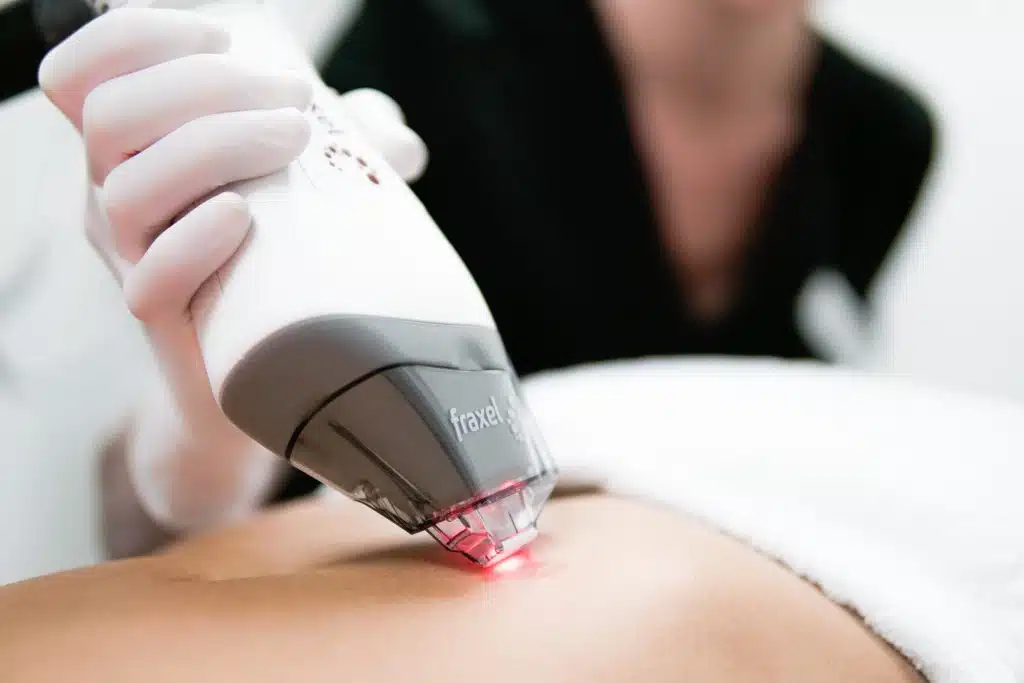
Fraxel is a fractionated laser treatment designed to target various skin imperfections. This method uses laser technology to create tiny, controlled injuries in the skin. These micro-injuries stimulate the body’s natural healing process. As a result, new skin cells replace damaged ones.
Fraxel is effective for treating several conditions. It can improve the appearance of scarring, especially acne scars, with laser treatment. Many people also use it to reduce pigmentation issues. Sun damage often leaves marks on the skin, which Fraxel can help fade. It addresses wrinkles and fine lines. Patients report smoother and more youthful-looking skin after treatment.
The non-invasive nature of Fraxel attracts many patients. Unlike surgical procedures, it requires no incisions or stitches. This aspect makes it a popular choice in cosmetic dermatology. Recovery time is usually shorter compared to traditional surgery. Many individuals can return to their daily activities within a few days.
Most treatments take about 30 minutes to an hour, depending on the area being treated. A series of sessions may be necessary for optimal results. Doctors typically recommend three to five treatments spaced a few weeks apart.
Patients appreciate that Fraxel has minimal side effects. Some might experience redness or swelling immediately after the procedure. These symptoms usually subside within a few days. Overall, the downtime is less than with other methods.
Effectiveness
Studies show that Fraxel significantly improves skin texture and tone. Clinical trials confirm its effectiveness in reducing wrinkles by up to 50%. Patients often share positive feedback about their results. Many see improvements within a few weeks after their first session.
Popularity
The popularity of Fraxel continues to grow each year. More people seek non-invasive options for skin rejuvenation. Social media plays a role in this trend as users share their experiences online. The visual nature of platforms like Instagram showcases before-and-after photos, attracting more interest.
Non-Invasive Nature
Fraxel stands out due to its non-invasive approach. Patients prefer this method because it avoids surgical risks. The procedure involves minimal discomfort and allows for quicker recovery times.
What to Expect on Treatment Day
Numbing Cream
Prepare for the application of a numbing cream before the treatment begins. This cream helps reduce discomfort during the procedure. The technician will apply it to your skin about 30 minutes prior to starting.
This step is essential for a smoother experience. Patients often report that the numbing cream significantly lessens any pain they might feel.
Sensation During Treatment
Anticipate a sensation that feels like a rubber band snapping against your skin. This feeling is common during Fraxel treatments. It may sound alarming, but most patients find it manageable.
The sensation indicates that the treatment is working. Understanding this can help ease anxiety on treatment day.
Duration of Treatment
Expect the session to be brief, typically lasting between 15 to 45 minutes. The exact time depends on the area being treated and individual needs.
Most appointments fit easily into a busy schedule. Patients appreciate this efficiency, especially when considering follow-up treatments like botox treatment or lip plumping appointments.
Day-by-Day Recovery Guide
First 48 Hours
Initial recovery begins right after the Fraxel treatment. Within the first two days, patients often notice redness and swelling. This reaction is normal and usually resembles a mild sunburn. The skin may feel warm and sensitive to touch.
Keeping the skin moisturized helps ease discomfort. Cold compresses can also reduce swelling. It’s crucial to avoid sun exposure during this time. Protecting the skin with a broad-spectrum sunscreen is essential, even indoors.
Days 3 to 5
Flaking and peeling occur around days three to five. This phase can be surprising for some. Skin may start to shed dead cells as it heals. This process is an important part of recovery. It indicates that the skin is renewing itself.
During this time, it’s vital to resist picking at the flakes. Picking can lead to scarring or infection. Gentle cleansing with a mild soap aids in keeping the area clean. Patients should continue using moisturizer to soothe the skin.
End of Week One
By the end of the first week, visible improvements appear in skin texture. Many notice smoother, more radiant skin. The redness typically decreases significantly by this point.
Patients often feel encouraged by these changes. They may resume normal activities, but caution is still advised. A work schedule should allow for continued care of the healing skin.
Remember, everyone’s recovery timeline can vary slightly. Factors like skin type and treatment intensity play roles in healing time. Some may experience quicker recovery than others.
Long-term Care
Long-term care is just as important as immediate recovery. Following proper skincare routines ensures lasting results from the treatment. Using gentle products helps maintain healthy skin.
Regularly applying sunscreen protects against UV damage post-treatment. This practice prevents future pigmentation issues and keeps the skin looking its best.
Managing Redness and Sensitivity
Gentle Skincare
Use gentle, fragrance-free skincare products to help soothe irritation after Fraxel treatment. These products can reduce inflammation and support healing. Look for items with calming ingredients like aloe vera or chamomile. Avoid harsh chemicals or fragrances that can worsen sensitivity.
Cleanse your skin with a mild cleanser. This helps remove impurities without causing further irritation. Apply moisturizer regularly to keep the skin hydrated. Hydrated skin heals faster and feels more comfortable.
Cold Compresses
Applying cold compresses can significantly reduce swelling and redness. Use a clean cloth soaked in cold water or an ice pack wrapped in a towel. Place it on the affected areas for about 10-15 minutes at a time. This method can provide immediate relief from discomfort.
Repeat this process several times throughout the day. Cold compresses help constrict blood vessels, which reduces redness. They also numb the area, providing temporary pain relief.
Sun Protection
Avoid direct sun exposure immediately after treatment. Sunlight can irritate sensitive skin and worsen redness. Stay indoors when possible, especially during peak sunlight hours. If you must go outside, wear a wide-brimmed hat for additional protection.
Use a high-SPF sunscreen diligently. Choose a broad-spectrum sunscreen with SPF 30 or higher. Apply it generously to all exposed areas of skin, even on cloudy days. Reapply every two hours, especially if sweating or swimming.
Botox Consideration
e individuals consider Botox treatments after Fraxel for enhanced results. Botox can help smooth fine lines and wrinkles, complementing the improved complexion from Fraxel. Consult with your dermatologist about the best timing for such procedures.
Discuss any concerns regarding downtime with your healthcare provider before proceeding with additional treatments.
Monitoring Concerns
Monitor your skin for any mild concerns that may arise post-treatment. Redness is normal but should gradually improve over time. If redness persists beyond a week or worsens, contact your doctor for advice.
Other signs to watch for include increased swelling or unusual pain. Promptly addressing these issues can prevent complications and ensure proper recovery.
Effective Skin Healing Tips
Moisturize Regularly
Moisturizing is crucial after a skin resurfacing treatment like Fraxel. Regular application helps maintain skin hydration. This aids in recovery and can reduce irritation. Use a gentle moisturizer suited for your skin type. Heavy moisturizers work well for dry skin, while lighter options suit oily skin.
Choosing the right product matters. Look for ingredients like hyaluronic acid or glycerin. These attract moisture to the skin. Apply moisturizers at least twice daily. This keeps the new skin hydrated and promotes healing.
Stay Hydrated
Drinking plenty of water is essential for skin health. Staying hydrated supports your body’s natural healing process. It helps flush out toxins that can affect your skin condition. Aim for at least eight glasses of water each day.
Hydration also improves overall appearance. Well-hydrated skin looks plump and youthful. You may notice fewer signs of dryness or flakiness when you drink enough water.
Use a Humidifier
Using a humidifier at home can make a big difference. It adds moisture to the air, preventing skin dryness. This is especially helpful during winter months when indoor heating can dry out the skin.
Position the humidifier in your bedroom while you sleep. This will help keep your skin hydrated overnight. A comfortable humidity level can reduce irritation and promote faster healing.
Gentle Skincare Routine
Adopting a normal skincare routine is important post-treatment. Avoid harsh products that may irritate the skin further. Skip exfoliants and strong acids until your skin heals completely.
Instead, focus on gentle cleansers and soothing toners. Look for products labeled “fragrance-free” or “hypoallergenic.” These are less likely to cause reactions on sensitive skin.
Consult with a skincare specialist if unsure about which products to use. They can recommend options tailored to your specific skin concerns.
Sun Protection
Sunscreen is vital after any skin resurfacing treatments. New skin is sensitive and more prone to sun damage. Apply broad-spectrum sunscreen with an SPF of 30 or higher daily.
Reapply every two hours when outdoors, especially if swimming or sweating. Protecting your skin from UV rays prevents hyperpigmentation and ensures better healing.
Additional Sessions
Consider scheduling an additional skin rejuvenation session if needed. Some people benefit from follow-up treatments after initial recovery. Discuss this with your skincare professional based on your individual needs.
These sessions can address any remaining major skin issues effectively.
Activities to Avoid During Recovery
Strenuous Exercise
Strenuous exercise can lead to excessive sweating. This sweat can irritate the skin after Fraxel treatment. It may also increase the risk of infection. Doctors recommend avoiding heavy workouts for at least a week. Gentle activities like walking are usually acceptable. Always listen to your body during recovery.
Swimming and Saunas
Swimming pools and saunas pose risks during recovery. They can harbor bacteria that might cause infections. Water in pools is often treated with chemicals, which can irritate sensitive skin. The heat from saunas can also lead to increased swelling and discomfort. It’s best to stay away from these environments for at least two weeks after treatment.
Exfoliating Products
Exfoliating products contain active ingredients that remove dead skin cells. Using them on treated areas can be harmful. The skin needs time to heal properly after Fraxel treatment. Harsh cleansers can strip away natural oils, leading to dryness or irritation. Stick to mild, hydrating cleansers during recovery.
Sun Exposure
Sun exposure can damage healing skin. UV rays can cause pigmentation changes and prolong recovery time. Patients should use broad-spectrum sunscreen with SPF 30 or higher when going outside. Wearing hats and seeking shade helps protect the skin further.
Makeup Use
Makeup can clog pores and irritate treated areas. It’s advisable to avoid makeup for at least a week post-treatment. If makeup is necessary, choose non-comedogenic products that won’t block pores.
Tight Clothing
Wearing tight clothing can rub against the treated skin. This friction may lead to irritation or discomfort. Loose, breathable fabrics allow the skin to breathe and heal better. Opt for comfortable clothing during the recovery period.
Picking at Skin
Picking at scabs or peeling skin increases the risk of scarring. It’s crucial to let the skin heal naturally. Patience is important during this process. Following all recommendations will help achieve the best results.
Extra Precautions
Taking extra precautions ensures a smoother recovery process. Adhering to these guidelines will reduce complications and promote healthy healing. Always consult with your doctor if unsure about any activity.
Comparing Fraxel with Other Treatments
Downtime Differences
Fraxel has a shorter downtime compared to other laser treatments, such as CO2 lasers. CO2 lasers often require longer recovery periods, sometimes up to two weeks. Patients may experience swelling and redness for an extended time after CO2 treatments. In contrast, Fraxel typically allows patients to return to normal activities within a few days. This makes it a more appealing option for those who want effective results without significant interruptions in their daily lives.
Treatment Versatility
Fraxel is known for its versatility in addressing various skin concerns. It can treat acne scars, fine lines, and pigmentation issues. Many patients seek Fraxel for its ability to rejuvenate the skin without the need for extensive procedures. Other treatments may focus on specific issues but lack the comprehensive approach of fractional skin resurfacing. This makes Fraxel a preferred choice for individuals looking to improve overall skin texture and tone.
Less Invasive Option
Fraxel is less invasive than surgical alternatives. Surgical procedures often involve longer recovery times and more risks. Patients must deal with anesthesia and incisions, which can lead to complications. With Fraxel, there are no cuts or stitches involved. The treatment uses laser technology to target specific areas of the skin, promoting healing from within. This approach minimizes discomfort and reduces the likelihood of side effects.
Patient Experience
Patients often report satisfaction with their results from Fraxel treatments. Many appreciate the balance between effectiveness and minimal downtime. They find that they can resume their routines quickly compared to other options. For example, someone undergoing a CO2 laser treatment might have to take time off work due to visible redness and peeling. In contrast, those who choose Fraxel often feel comfortable returning to work within a few days.
Common Questions About Fraxel Downtime
Typical Duration
Downtime after Fraxel treatment usually lasts between three to seven days. This period varies based on individual skin types and the specific treatment level used. Patients often experience redness, swelling, and peeling during this time.
The first few days are crucial for recovery. Skin may feel sensitive and look sunburned. By day three or four, most patients notice significant improvement. Many can return to normal activities within a week. However, some may require additional time for complete healing.
Makeup Application
Makeup can generally be applied about five to seven days post-treatment. It’s important to wait until the skin heals sufficiently. Applying makeup too early may irritate the skin and lead to complications.
After the initial healing phase, mineral makeup is often recommended. It is gentler on the skin and less likely to cause issues. Always consult with your dermatologist before applying any products to ensure safety.
Side Effects and Consultation
Common side effects include redness, swelling, and dryness. Some patients may also experience itching or flaking skin. These symptoms are usually temporary and improve as the skin heals.
If side effects persist beyond two weeks or worsen, it is essential to consult a dermatologist. They can provide guidance on managing discomfort or identifying any complications.
In rare cases, more serious side effects can occur. These include scarring or changes in pigmentation. Early consultation can help address these issues effectively.
Fraxel treatments offer many benefits but come with a recovery period that requires attention. Understanding downtime helps set realistic expectations for recovery.
Final Remarks
Understanding downtime after Fraxel is crucial for achieving the best results. You’ve learned what to expect, how to manage redness, and the activities to avoid. Each aspect of recovery plays a role in your skin’s healing journey. Following these guidelines helps ensure smoother recovery and optimal outcomes.
Take charge of your recovery. Implement the healing tips and stay informed about your skin’s needs. Knowledge is power, and being proactive will enhance your experience. If you have more questions or need personalized advice, don’t hesitate to reach out to a skincare professional. Your journey to radiant skin starts with informed choices.
Frequently Asked Questions
What is Fraxel treatment?
Fraxel is a non-invasive laser treatment designed to improve skin texture, tone, and appearance. It stimulates collagen production and helps reduce signs of aging, sun damage, and acne scars.
How long is the downtime after Fraxel?
Downtime varies by individual but generally lasts 3 to 7 days. Expect redness and sensitivity during this period as your skin heals.
Can I wear makeup after Fraxel?
It’s best to avoid makeup for at least 48 hours post-treatment. This allows your skin to breathe and reduces the risk of irritation.
When can I resume normal activities after Fraxel?
Most people can return to light activities within a few days. However, avoid strenuous exercise and sun exposure for at least one week.
How can I manage redness after Fraxel?
Apply cold compresses and use gentle skincare products. Consider over-the-counter hydrocortisone cream if redness persists, but consult your dermatologist first.
Are there any side effects of Fraxel?
Common side effects include redness, swelling, and peeling. These are usually mild and resolve within a week. Severe reactions are rare but should be reported to your doctor.
How does Fraxel compare to other laser treatments?
Fraxel is less invasive than many traditional lasers, offering effective results with shorter recovery times. It’s ideal for improving skin quality without extensive downtime.