
Varicose veins treatment is essential for those struggling with unsightly and painful veins, especially in cases of venous diseases, potential venous ulcer, and may involve vascular surgery or venous doppler ultrasound. Many people think it’s just a cosmetic issue, but varicose vein symptoms can lead to serious health problems like venous disease and venous ulcers. Ignoring varicose veins can worsen discomfort and increase the risk of complications, so consult your provider.
Effective treatments, such as varicose vein surgery, are available that can relieve pain from certain vein problems and improve appearance of problem veins. From lifestyle changes to varicose vein treatment and medical procedures, options exist for everyone. Understanding these choices, such as those related to varicose vein treatment, is crucial for making informed decisions about your health. Don’t let varicose veins hold you back from enjoying life. Explore the best treatments for varicose vein tailored to your needs and regain confidence in your legs.
What Are Varicose Veins
Definition
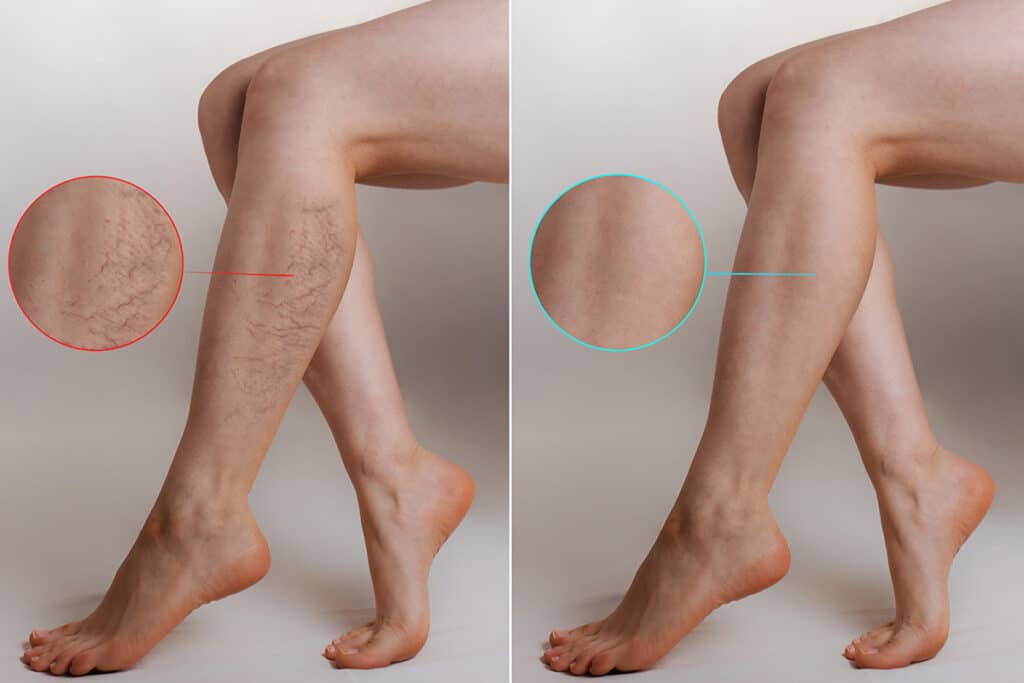
Varicose veins are enlarged, twisted veins that often appear in the legs. They can also occur in other parts of the body, such as varicose veins. These veins look different from normal veins. They bulge out and may appear swollen. The color of varicose veins is usually blue or dark purple. This discoloration happens because of the pooling blood inside varicose veins.
Causes
Varicose veins develop when the valves in the veins malfunction. Normally, these valves help blood flow back to the heart, preventing varicose vein issues. When they fail, blood begins to pool in the affected vein. This pooling creates pressure that causes the vein to enlarge and twist.
Several factors contribute to this malfunction. Age is one of them. As people get older, their veins may weaken. Genetics also play a role; if someone has a family history of varicose veins, they are more likely to develop them.
Types of Veins
Different types of veins can be affected by this condition. The saphenous veins are often involved. These are large superficial veins located in the legs. Superficial veins are closer to the skin’s surface. They can become varicose if the valves fail.
Small veins can also show signs of this issue. These include reticular veins and spider veins. Spider veins are smaller and often look like a web under the skin. They are not usually harmful but can be a cosmetic concern for many, such as those with varicose veins.
Symptoms
People with varicose veins may experience various symptoms. Common symptoms of varicose vein include aching, heaviness, or cramping in the legs. Some might notice swelling around their ankles or feet. In severe cases, skin changes can occur, such as discoloration or ulcers related to varicose vein.
These symptoms can worsen after long periods of standing or sitting, especially with varicose vein issues. Activities like walking may help relieve some discomfort from varicose vein issues by promoting better blood flow.
Risk Factors
Certain factors increase the likelihood of developing varicose veins. Being overweight puts extra pressure on leg veins. Pregnancy also raises this risk of varicose vein due to hormonal changes and increased blood volume.
Sitting or standing for long hours can lead to problems like varicose vein as well. Occupations that require extended periods in one position may see higher rates of varicose vein and venous disease.
Causes of Varicose Veins
Weak Vein Walls
Weak or damaged vein walls play a crucial role in the development of varicose veins. These walls are responsible for maintaining proper blood flow. When the walls weaken, they cannot support blood effectively. This leads to pooling of blood in the veins, causing them to enlarge.
Valves within the veins also contribute to this issue. They prevent blood from flowing backward. If these valves become damaged, varicose vein can cause blood to flow in the wrong direction. This situation worsens over time, resulting in visible varicosities.
Prolonged Sitting or Standing
Prolonged sitting or standing significantly increases pressure on leg veins. People who work long hours at desks or on their feet may notice symptoms of varicose vein. The weight of gravity affects blood circulation and can lead to varicose vein issues when one remains stationary. Blood tends to pool in the legs, leading to increased pressure and varicose vein formation.
This pressure can cause discomfort and swelling. Over time, it may lead to the formation of varicose veins. Activities that require frequent movement can help alleviate this pressure from varicose vein. Regular breaks and stretching can improve circulation, reduce symptoms, and help prevent varicose vein issues.
Genetic Predisposition
Genetic predisposition is another significant factor contributing to varicose veins. Individuals with a family history of varicose vein this condition are more likely to develop it themselves. Studies show a strong link between genetics and vein health.
Certain inherited traits affect how well veins function. For example, some people may have weaker vein walls or valves due to genetics. Understanding this connection can help individuals take preventive measures.
Other Contributing Factors
Several other factors can worsen the condition of varicose veins. Obesity is one such factor that increases pressure on leg veins. Extra body weight puts additional strain on the circulatory system, leading to varicose vein issues.
Hormonal changes can also influence vein health. Women are more prone to developing varicose veins during pregnancy or menopause due to hormonal fluctuations. These changes can relax vein walls, making them more susceptible to damage.
Age is another important factor. As people age, their vein walls may naturally weaken over time. This gradual decline in strength can lead to increased risk for varicose veins.
Summary
Understanding the causes of varicose veins helps in prevention and treatment decisions. Weak vein walls and valves are primary contributors to this condition. Prolonged periods of sitting or standing increase pressure on leg veins. Genetic predisposition plays a significant role as well.
Risk Factors
Age
Age plays a significant role in the risk of developing varicose veins. The likelihood increases as people get older. Blood vessels lose elasticity over time. This change makes it easier for veins to swell. Many individuals start noticing these changes, such as varicose vein issues, in their 40s or 50s.
Gender
Gender also affects the development of varicose veins. Women are more likely to experience varicose vein condition than men. Hormonal changes during pregnancy, menstruation, or menopause can contribute to this increased risk of varicose vein. These hormonal shifts may weaken vein walls and valves.
Lifestyle Factors
Lifestyle factors significantly influence the risk of varicose veins. Obesity is a major concern. Extra weight puts additional pressure on the veins in the legs. This pressure can lead to blood pooling and swelling.
Lack of exercise is another factor that contributes to the problem of varicose vein. Regular physical activity promotes healthy blood flow. It helps maintain a healthy weight and reduces pressure on the veins.
Prolonged standing can also increase the risk of developing varicose veins. Occupations that require long periods of standing, such as teaching or nursing, can lead to varicose vein problems. Standing for hours without movement causes blood to pool in the legs.
Smoking
Smoking negatively impacts overall health as well. It damages blood vessels and reduces circulation. Poor circulation can worsen symptoms associated with varicose veins.
Other Health Conditions
Certain health conditions can also heighten the risk of varicose veins. Problems like unstable angina or heart disease may affect circulation and blood flow. Individuals with these conditions should seek care from a healthcare provider to manage their overall health effectively.
Healthy Weight Management
Maintaining a healthy weight is crucial for reducing the risk of varicose veins. Weight management helps alleviate pressure on leg veins. Simple lifestyle changes can assist in achieving this goal.
Here are some tips for maintaining a healthy weight:
- Eat a balanced diet.
- Engage in regular physical activity.
- Stay hydrated.
- Limit processed foods.
- Monitor portion sizes.
Pain and Sores
Individuals with varicose veins may experience pain or discomfort in their legs. Some may develop sores or skin changes around affected areas. These symptoms often signal a need for medical evaluation and care.
Elevation Techniques
Elevating the legs can help reduce swelling and improve circulation. Simple techniques include propping feet up while sitting or lying down. These actions allow gravity to assist in blood flow back to the heart.
Symptoms of Varicose Veins
Visible Signs
Varicose veins often appear as bulging veins beneath the skin. These veins may look twisted or swollen. They usually develop in the legs and are often blue or dark purple in color. This discoloration is due to pooled blood that fails to circulate properly. Many people notice these visible signs when they stand for long periods.
Common Symptoms
Aching and heavy legs are common symptoms of varicose veins. People frequently report feeling discomfort after standing or sitting for extended periods. Swelling in the legs and ankles can also occur. This swelling may worsen throughout the day, especially after physical activity. These sensations can make daily tasks difficult.
Less Common Symptoms
e individuals experience less common symptoms like itching or burning sensations around the affected veins. This discomfort can be bothersome and might lead to scratching, which can cause skin irritation. In severe cases, skin ulcers may develop near varicose veins due to poor circulation.
Impact on Daily Life
These symptoms can significantly impact a person’s quality of life. Simple activities like walking or standing can become painful. Many people find it hard to engage in their usual routines due to discomfort. The psychological effects can also be noticeable, as visible varicose veins often affect self-esteem.
Diagnosis and Assessment
Healthcare providers assess varicose veins through physical examinations. They check for swelling and visible signs during the examination. Ultrasound imaging may be used to evaluate blood flow in the veins. This helps determine the severity of the condition.
Treatment Options
Treatment options vary based on symptom severity. Lifestyle changes, such as exercise and weight management, can help alleviate symptoms. Compression stockings are often recommended to improve blood flow and reduce swelling. For more severe cases, medical procedures like sclerotherapy or laser therapy may be necessary.
Diagnosing Varicose Veins
Physical Exams
Doctors often start with a physical exam to identify varicose veins. They look for visible signs on the legs and feet. Swelling, discoloration, and bulging veins are key indicators.
During the exam, patients may be asked to stand. This position helps reveal any changes in the veins. Doctors also check for tenderness or pain in the affected areas. These observations guide further testing.
Duplex Ultrasound
The duplex ultrasound plays a vital role in diagnosing varicose veins. This test combines two types of imaging: traditional ultrasound and Doppler ultrasound.
Traditional ultrasound creates images of the vein structure. It shows how veins appear internally. Doppler ultrasound assesses blood flow within these veins. Together, they provide a complete picture of venous health.
This non-invasive method allows doctors to see if blood flows correctly. It can reveal blockages or valve issues in the veins. The results help determine the severity of the condition and guide treatment options.
Medical History
A thorough medical history is essential in diagnosing varicose veins. Doctors ask about symptoms, family history, and any previous conditions. Understanding past health issues helps pinpoint risk factors.
Patients should mention any related symptoms, like pain or heaviness in the legs. A family history of varicose veins can indicate a higher risk. Discussing lifestyle choices, such as exercise and diet, also provides valuable context.
Treatment Options
Leg Elevation
Elevating the legs is a simple yet effective strategy to improve blood circulation. This method helps reduce swelling and discomfort associated with varicose veins. By raising the legs above the heart, gravity assists in returning blood to the heart.
Doctors recommend elevating the legs several times a day. Even a few minutes can make a difference. Patients can use pillows or cushions to achieve this position comfortably. This practice promotes better blood flow and alleviates symptoms.
Compression Stockings
Compression stockings are another common treatment for varicose veins. These specially designed socks apply pressure to the legs. They help prevent blood from pooling in the veins.
Wearing compression stockings can be beneficial throughout the day. They come in various styles and sizes to fit individual needs. Many patients find relief from pain and swelling when using them regularly. Medical professionals often suggest wearing them during activities that involve prolonged standing or sitting.
Sclerotherapy
Sclerotherapy is a widely used medical treatment for varicose veins. This procedure involves injecting a solution directly into the affected vein. The solution causes the vein to collapse and eventually fade from view.
Patients typically experience minimal discomfort during sclerotherapy. It does not require anesthesia, making it a convenient option. Most individuals return to their daily activities shortly after treatment. Results may take a few weeks to fully appear, but many report satisfaction with the outcome.
Thermal Ablation
Thermal ablation is another effective procedure for treating varicose veins. This method uses heat to close off problematic veins. Doctors insert a thin catheter into the vein and apply heat through radiofrequency or laser energy.
This technique is minimally invasive and offers quick recovery times. Many patients appreciate that thermal ablation can be done in an outpatient setting. The procedure usually takes about 30 to 60 minutes, depending on the number of veins treated.
Vein Stripping
Vein stripping is a more traditional surgical option for severe cases of varicose veins. Surgeons remove larger veins through small incisions in the skin. This method effectively eliminates the source of venous insufficiency.
Recovery from vein stripping may take longer than other procedures. Patients might need to wear compression stockings post-surgery for support. However, many individuals find significant relief from symptoms once they heal.
Microphlebectomy
Microphlebectomy is a less invasive alternative to vein stripping. Surgeons perform this procedure by making tiny incisions to remove small varicose veins. It is effective for targeting specific areas without significant scarring.
Patients often appreciate the quick recovery time associated with microphlebectomy. They can usually resume normal activities within days after treatment.
Non-Surgical Treatments
Compression Stockings
Wearing compression stockings daily can help manage varicose veins. These stockings apply pressure to the legs. This pressure improves blood flow and reduces swelling. Many people find relief from discomfort by using them regularly. They are especially beneficial for those who stand or sit for long periods.
Compression stockings come in different styles and sizes. They can be purchased over-the-counter or prescribed by a doctor. They should fit snugly but not too tight. Proper use can lead to significant improvements in symptoms over time.
Sclerotherapy
Sclerotherapy is a popular treatment for small varicose veins. In this procedure, a doctor injects a solution into the vein. This solution causes the vein to scar and close off. Over time, the body absorbs the treated vein, making it less visible.
Studies show that sclerotherapy is effective and has a high success rate. Most patients see improvement after one session. Some may require additional treatments for optimal results. Side effects are usually mild and include bruising or swelling at the injection site.
Lifestyle Changes
Making lifestyle changes can also help manage varicose veins. Regular exercise plays a key role in improving circulation. Activities like walking, cycling, or swimming strengthen the legs. These exercises promote better blood flow and reduce symptoms.
Weight management is another important factor. Excess weight puts added pressure on the veins in the legs. Losing even a small amount of weight can make a difference in symptoms and appearance.
Incorporating healthy habits into daily life supports overall vascular health. Staying hydrated and eating a balanced diet rich in fiber helps prevent constipation, which can worsen vein issues.
Surgical Procedures
Vein Stripping
Vein stripping is a common surgical method for removing large varicose veins. This procedure involves making small incisions in the skin. Surgeons then remove the affected vein through these openings. Patients typically undergo this surgery under local or general anesthesia.
The surgeon first maps the veins using ultrasound to assess their condition and location. They consider the patient’s medical history before deciding on this method. Recovery can take several weeks, but many patients notice significant improvement in symptoms.
Microphlebectomy
Microphlebectomy is another effective treatment for varicose veins. This technique removes smaller veins through tiny incisions. The cuts are so small that they usually do not require stitches.
Surgeons use a special tool to extract the veins directly. This method minimizes scarring and speeds up recovery time. Many patients return to normal activities within days after the procedure.
Microphlebectomy is often performed in conjunction with other treatments, such as thermal ablation. It is ideal for those who have visible veins on the surface of the skin.
Thermal Ablation
Thermal ablation uses heat to treat varicose veins. This procedure employs either lasers or radiofrequency energy to destroy the walls of the affected veins. Surgeons insert a thin catheter into the vein, guided by ultrasound.
Once in place, the catheter delivers heat to the vein wall. As it heats up, the vein collapses and eventually gets absorbed by the body. This process reduces symptoms and improves appearance without major surgery.
Patients often prefer thermal ablation because it is minimally invasive. Most can go home shortly after the procedure with little downtime required.
Diagnostic Procedures
Before any surgical intervention, doctors may perform diagnostic procedures to evaluate vein health. These tests typically include an ultrasound examination to visualize blood flow and identify problem areas.
Understanding a patient’s vascular health helps tailor treatment options effectively. Doctors review medical history and symptoms during this assessment phase.
Complications from Varicose Veins
Phlebitis Risk
Phlebitis is a common complication of varicose veins. It refers to the inflammation of the veins. This condition can cause pain, swelling, and redness in the affected area. Phlebitis often occurs when blood flow is slow due to vein problems. It can lead to discomfort and may require treatment.
Treatment options include anti-inflammatory medications or compression stockings. Severe cases might need further medical intervention. Awareness of this condition is essential for those with varicose veins.
Blood Clots
Blood clots present a significant risk for individuals with varicose veins. The affected veins can become sluggish, increasing the likelihood of clot formation. Deep vein thrombosis (DVT) is one serious type of blood clot that can occur in the legs. DVT can lead to complications like pulmonary embolism if the clot travels to the lungs.
Symptoms of DVT include swelling, warmth, and pain in the leg. Immediate medical attention is crucial if these symptoms arise. Preventive measures include maintaining an active lifestyle and avoiding prolonged periods of sitting or standing.
Chronic Venous Insufficiency
Chronic venous insufficiency (CVI) is another potential complication of varicose veins. This condition occurs when the valves in the veins do not function properly. As a result, blood pools in the lower extremities, leading to various issues.
Individuals with CVI may experience skin changes, such as discoloration and thickening. Over time, these changes can lead to venous ulcers. These ulcers are painful sores that develop on the skin, often near the ankles. They may take a long time to heal and can significantly affect quality of life.
Management of CVI often involves lifestyle changes and medical treatments. Compression therapy helps improve blood flow and reduce symptoms. In some cases, surgical options may be necessary to address underlying vein problems.
Hormone Replacement Therapy
Hormone replacement therapy (HRT) can also influence vein conditions. Some studies suggest that HRT may increase the risk of developing blood clots. Women considering HRT should discuss potential risks with their healthcare provider.
Regular monitoring is vital for those undergoing HRT, especially if they have existing vein problems. Understanding these risks helps individuals make informed decisions about their health.
Preventing Varicose Veins
Healthy Weight
Maintaining a healthy weight is crucial. Extra weight puts pressure on leg veins. This pressure can lead to varicose veins. Losing weight helps reduce this risk. It also improves blood circulation in the legs. A balanced diet and regular exercise can help maintain a healthy weight.
Regular Exercise
Engaging in regular exercise promotes better blood flow. Activities like walking, cycling, or swimming are effective. These exercises strengthen the muscles in the legs. Stronger muscles support veins and help blood circulation. Aim for at least 30 minutes of moderate exercise most days. This simple change can significantly lower the chances of developing varicose veins.
Elevate Feet
Elevating your feet while sitting can be beneficial. This position helps reduce pressure on the veins. It improves blood flow back to the heart. Try using a footrest or stool when sitting for long periods. This practice can prevent discomfort and swelling in the legs.
Avoid Tight Clothing
Wearing tight clothing can restrict blood flow. Tight garments around the waist, thighs, or calves may worsen vein issues. Opt for loose-fitting clothes that allow for better circulation. Consider wearing compression stockings if you need to wear tighter clothing for specific occasions.
Compression Stockings
Using compression stockings is another preventive measure. These stockings apply pressure to the legs, helping veins function better. They improve blood circulation and reduce swelling. Many people find them helpful, especially those who stand or sit for long periods.
Sclerotherapy and Surgery
For those already experiencing symptoms, treatments exist. Sclerotherapy involves injecting a solution into affected veins, causing them to collapse and fade away. Varicose vein surgery may also be necessary in severe cases. Procedures like vein stripping or vein ligation remove problematic veins altogether.
Lifestyle Changes
Adopting lifestyle changes can significantly affect overall vein health. Staying active is essential for maintaining proper circulation. Simple habits like taking breaks to walk or stretch during long periods of sitting can make a difference.
Spider Veins Awareness
Spider veins are smaller than varicose veins but still indicate underlying issues. They often appear on the legs and face. Monitoring these signs may prompt earlier intervention, preventing further complications.
Pensamientos Finales
Varicose veins can be more than just a cosmetic issue. Understanding their causes, symptoms, and treatment options is essential for maintaining your health. Whether you opt for non-surgical methods or surgical procedures, addressing varicose veins can significantly improve your quality of life. Prevention is key, so take proactive steps to protect your veins.
Don’t ignore the signs. If you’re experiencing discomfort or visible veins, consult a healthcare professional. They can guide you through the best treatment options tailored to your needs. Your well-being matters, and staying informed empowers you to make the right choices. Take action today for healthier veins tomorrow!
Frequently Asked Questions
What are varicose veins?
Varicose veins are enlarged, twisted veins that often appear blue or dark purple. They occur when valves in the veins fail, causing blood to pool and veins to bulge.
What causes varicose veins?
Varicose veins are primarily caused by weakened vein walls and valves. Factors like genetics, hormonal changes, and prolonged standing can contribute to their development.
How can I prevent varicose veins?
To prevent varicose veins, maintain a healthy weight, exercise regularly, elevate your legs, and avoid prolonged sitting or standing. Wearing compression stockings can also help improve circulation.
Are varicose veins dangerous?
While varicose veins are usually not dangerous, they can lead to complications like blood clots or skin ulcers if left untreated. It’s essential to monitor symptoms and seek treatment if necessary.
When should I see a doctor about varicose veins?
Consult a doctor if you experience pain, swelling, or skin changes around your varicose veins. Early diagnosis can help prevent complications and determine the best treatment options.
What are the non-surgical treatments for varicose veins?
Non-surgical treatments include lifestyle changes, compression therapy, sclerotherapy, and laser treatments. These options aim to alleviate symptoms and improve appearance without invasive procedures.
How is varicose vein surgery performed?
Surgical procedures for varicose veins typically involve removing or sealing off affected veins. Techniques include vein stripping and endovenous laser therapy (EVLT), both aimed at improving blood flow and reducing symptoms.