Varicose veins can be painful and unsightly, affecting many people worldwide. Laser treatment has emerged as a popular solution due to its effectiveness and minimal downtime. But what about the cost? Understanding varicose veins laser treatment cost is crucial for anyone considering this procedure. Various factors influence the price, such as the severity of the condition, location of the clinic, and the expertise of the medical staff. This blog post will break down these elements to give you a clear picture of what to expect financially.
Understanding Varicose Veins
Definition
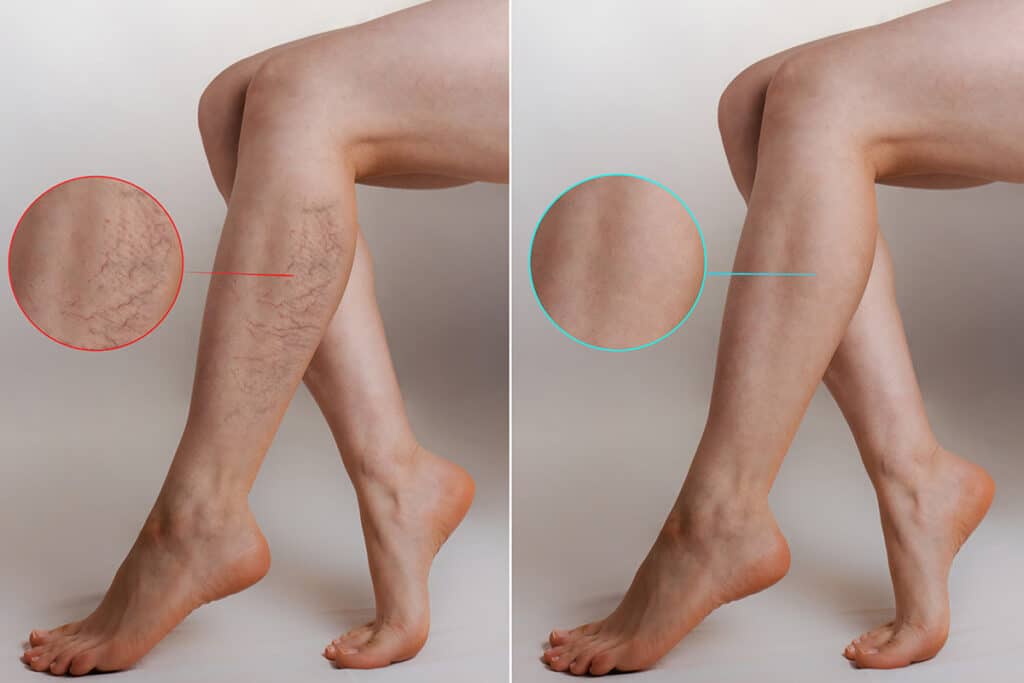
Varicose veins are enlarged, twisted veins. They often appear blue or dark purple. They usually occur in the legs. Spider veins are smaller and closer to the skin’s surface. They look like red or blue spider webs. Spider veins are less severe than varicose veins.
Causes and Risk Factors
Genetics play a significant role in developing varicose veins. If parents have them, children are more likely to get them too.
Lifestyle factors also contribute. Standing or sitting for long periods can lead to varicose veins. Obesity increases pressure on leg veins, causing them to become varicose. Hormonal changes during pregnancy or menopause can weaken vein walls.
Symptoms
Symptoms of varicose veins include:
- Swollen, twisted veins visible under the skin
- Aching or heavy feeling in the legs
- Burning, throbbing, muscle cramping, and swelling in the lower legs
- Worsened pain after sitting or standing for long periods
- Itching around one or more of your veins
These symptoms can worsen over time if left untreated.
Health Complications
Untreated varicose veins can lead to serious health issues. Blood clots may form in the affected veins, causing deep vein thrombosis (DVT). DVT is a medical emergency and requires immediate attention.
Skin ulcers can develop near varicose veins, especially around the ankles. These ulcers are painful and hard to heal.
Bleeding can occur if the skin over a varicose vein breaks. This bleeding might be difficult to stop due to increased pressure in these veins.
Exploring Treatment Options
Sclerotherapy
Sclerotherapy is a common treatment option. It involves injecting a solution into the vein. This solution causes the vein to collapse and fade.
Patients often see results in a few weeks. It’s effective for small to medium veins. Recovery is quick with minimal discomfort.
Endovenous Laser Ablation
Endovenous laser ablation (EVLA) is another option. A laser fiber is inserted into the vein. The laser heats and closes the vein.
This method is minimally invasive. Patients usually return to normal activities within a day. It’s suitable for larger veins.
VenaSeal
VenaSeal uses medical adhesive to seal veins. The adhesive is delivered through a catheter. The vein closes and blood reroutes to healthier veins.
VenaSeal offers immediate results. There are no compression stockings needed post-treatment. Patients experience less pain compared to other methods.
Combination Therapy
Combination therapy may be necessary for some patients. This approach uses multiple treatments together. For example, EVLA might be combined with sclerotherapy.
Combining treatments can target different vein sizes. It ensures comprehensive treatment of varicose veins. A custom vein treatment plan is created for each patient.
Minimally Invasive vs. Surgery
Modern treatments are less invasive than traditional surgery. Surgery requires general anesthesia and longer recovery times.
Minimally invasive options use local anesthesia or none at all. Recovery is faster, and there is less risk of complications. These methods are preferred by many patients today.
Financing Options
Vein treatments can be costly. Some insurance plans cover necessary vein treatments if they are deemed medically necessary.
Patients should explore their financing options:
- Payment plans offered by clinics
- Medical loans
- Health savings accounts (HSAs)
Cost Overview
Price Range
Varicose veins laser treatment costs vary widely. Basic treatments can start as low as $200 per session. More advanced procedures may cost up to $3,000 per session. Insurance coverage often affects out-of-pocket costs. Some plans cover part of the treatment.
Treatment Choice
The type of treatment chosen impacts the overall cost. Endovenous laser therapy (EVLT) is common and effective. It usually costs between $600 and $3,000 per leg. Sclerotherapy is less expensive, ranging from $350 to $500 per session. Multiple sessions may be needed for best results.
Geographical Location
Treatment costs differ by location. Urban areas tend to have higher prices. A clinic in New York City may charge more than one in a rural area. The cost of living and demand for services affect prices.
Provider Expertise
Experienced providers may charge more. Specialists with many years of experience and high success rates often have higher fees. Choosing a skilled provider can ensure better results but may increase costs.
Additional Costs
Additional charges can include consultation fees, follow-up visits, and compression stockings. Consultations range from $100 to $300. Follow-up visits are crucial for monitoring progress and can add to overall expenses.
Insurance Coverage
Insurance plans vary in what they cover. Some plans cover varicose vein treatments if deemed medically necessary. Patients should check their coverage details. Good faith estimates from providers can help patients understand potential out-of-pocket costs.
Average Treatment Costs
Sclerotherapy
Sclerotherapy is a common treatment for varicose veins. The average cost ranges from $350 to $500 per session. This method involves injecting a solution into the vein, causing it to collapse and fade.
Endovenous Laser Ablation
Endovenous laser ablation (EVLA) is another popular option. The treatment costs for EVLA typically range from $600 to $3,000 per session. This technique uses laser energy to close off the affected vein.
VenaSeal
VenaSeal is an advanced treatment for varicose veins. It can be more expensive than other options. The high-end cost of VenaSeal can reach up to $5,000 per session. This method uses a medical adhesive to seal the vein.
Factors Affecting Costs
Several factors can influence varicose vein treatment costs:
- Geographic Location: Prices vary by region.
- Doctor’s Experience: Specialists may charge more.
- Facility Fees: Hospitals often have higher fees than clinics.
- Severity of Condition: More severe cases may need multiple sessions.
Insurance Coverage
Insurance coverage can also impact the medical treatment costs. Some plans cover part or all of the expenses if deemed medically necessary. Always check with your insurance provider for details.
Insurance and Medicare Impact
Medical Necessity vs. Cosmetic Reasons
Insurance plans often distinguish between treatments for medical necessity and cosmetic reasons. Varicose vein treatments fall into these two categories. If the veins cause pain, swelling, or ulcers, insurance may cover the treatment as medically necessary. However, if the treatment is for appearance alone, it is usually considered cosmetic.
Medicare Coverage
Medicare covers varicose vein treatments under specific conditions. The treatment must be deemed medically necessary. A doctor must document symptoms like pain or skin ulcers. Medicare Part B typically covers 80% of the approved amount after the deductible.
Medicaid Coverage
Medicaid also covers varicose vein treatments in some cases. Each state has its own rules. Generally, Medicaid will cover treatment if it is medically necessary. Beneficiaries should check their state’s guidelines.
Private Insurance Plans
Private insurance plans vary widely in coverage. Some plans cover varicose vein treatments if they are medically necessary. Others may have strict criteria or require prior authorization. Documentation from a healthcare provider is crucial.
TRICARE Benefits
TRICARE provides coverage for military personnel and their families. It generally follows similar guidelines to other insurance plans. Treatment must be medically necessary to be covered by TRICARE.
Health Plan Price Transparency
Health plan price transparency helps patients understand costs upfront. This includes knowing what portion of the treatment will be covered by insurance. Patients should request detailed cost estimates from their providers.
Importance of Documentation
Documentation plays a key role in securing insurance coverage for varicose vein treatments. A healthcare provider must provide detailed records of symptoms and diagnoses. Proper documentation can mean the difference between getting coverage and paying out-of-pocket.
Shopping for Prices
In-Network Providers
Using in-network providers can help lower costs. Insurance companies often negotiate rates with these providers. This negotiation results in lower procedure prices. Patients can benefit from these reduced rates.
Multiple Quotes
Obtaining multiple quotes is essential. Different providers may offer varied pricing. It’s important to ask about potential hidden fees. Hidden fees can include:
- Facility charges
- Anesthesia fees
- Follow-up visits
Getting a clear breakdown helps avoid surprises.
Price Comparison Tools
Several tools aid in price comparison. Websites like GoodRx provide valuable information. Users can compare prices across different providers. Hospital price transparency websites are also useful. These sites list detailed cost data for various procedures.
Financing Options
Financing options can make treatments more affordable. Some providers offer payment plans. These plans spread the cost over several months. Patients should inquire about interest rates and terms.
Provider Websites
Provider websites often have price lookup tools. These tools allow patients to check procedure costs online. It’s a quick way to gather price information.
Negotiation Strategies
Negotiating with providers can reduce costs further. Patients should not hesitate to discuss pricing openly. Asking for discounts or payment plans is common practice.
Additional Cost-Saving Tips
Wearing compression socks can alleviate symptoms temporarily, potentially delaying the need for treatment. This option provides short-term relief while exploring other cost-saving measures.
Post-Procedure Expectations
Recovery Time
Patients usually experience a short recovery period after varicose veins laser treatment. Most can return to normal activities within a few days. It is common to feel some discomfort or bruising at the treatment site. These symptoms generally subside within a week.
Walking and light exercise are encouraged to improve blood flow. Avoid strenuous activities for at least two weeks. This helps prevent complications and promotes healing.
Common Symptoms
e common post-procedure symptoms include:
- Bruising
- Swelling
- Redness
- Mild pain
These symptoms are typically mild and manageable. Over-the-counter pain relievers can help reduce discomfort. Wearing compression stockings is also recommended. They help reduce swelling and improve circulation.
Follow-Up Appointments
Follow-up appointments are crucial for assessing the success of the treatment. The first follow-up visit usually occurs within a week of the procedure. During this visit, the doctor will check for any complications and ensure proper healing.
Additional follow-ups may be scheduled over the next few months. These visits help monitor long-term results and address any concerns. Regular check-ups are key to maintaining vein health.
Managing Costs
Understanding the costs involved in varicose veins laser treatment is important. Prices can vary based on several factors:
- Type of procedure
- Location of the clinic
- Doctor’s experience
Insurance may cover part of the cost if the procedure is deemed medically necessary. Patients should consult their insurance provider for specific coverage details.
Key Takeaways
By following these post-procedure guidelines, patients can expect a smooth recovery:
- Engage in light exercise like walking.
- Use compression stockings to aid healing.
- Attend all follow-up appointments for best results.
- Manage symptoms with over-the-counter remedies.
Beginning Your Journey
Consulting a Specialist
Consulting with a vascular specialist is crucial. A specialist will determine the most suitable treatment plan. They assess your condition and provide expert advice.
A consultation helps you understand the procedure. It also clarifies any concerns. Specialists explain how laser treatment works and its benefits.
Cost and Quality of Care
Considering both cost and quality of care is essential. Laser treatments for varicose veins vary in price. Factors include the clinic’s location, the specialist’s experience, and the severity of your condition.
Quality of care should not be compromised for cost. High-quality care ensures better results and fewer complications. Research clinics and read reviews to find reputable providers.
Taking the First Step
Scheduling an initial consultation is the first step toward treatment. An initial visit helps you learn about the process and costs involved.
During this visit, ask questions about the procedure. Inquire about recovery time, potential side effects, and expected outcomes. Understanding these details prepares you for the journey ahead.
Procedure Details
Laser treatment involves using heat to close off varicose veins. The heat damages the vein walls, causing them to collapse and fade away over time. This treatment improves circulation and reduces discomfort.
The procedure typically takes about 30 to 45 minutes per session. Most people need several sessions for optimal results. Tiny cuts may be made to access deeper veins if necessary.
Post-Treatment Care
After treatment, follow your specialist’s advice for post-care. Elevation of treated body parts can reduce swelling. Normal activities can often be resumed within a few days.
Wearing compression stockings may be recommended. These help improve circulation and support healing. Regular follow-ups ensure that your recovery progresses well.
Financial Considerations
Varicose veins laser treatment costs can affect your decision-making. It’s important to get a detailed quote from your specialist before proceeding.
Insurance may cover part of the cost if the treatment is deemed medically necessary. Check with your provider for coverage details. Some clinics offer payment plans to ease financial burdens.
Summary
Understanding the costs and options for varicose veins laser treatment helps you make informed decisions. We’ve broken down everything from average prices to insurance impacts, giving you a clear picture of what to expect.
Now it’s your turn. Take action and consult with a specialist to discuss your unique situation. Don’t let varicose veins hold you back any longer. Start your journey towards healthier legs today!
Frequently Asked Questions
What are varicose veins?
Varicose veins are swollen, twisted veins visible under the skin. They often appear in the legs.
How does laser treatment for varicose veins work?
Laser treatment uses focused light to collapse and fade varicose veins. It’s minimally invasive.
What is the average cost of laser treatment for varicose veins?
The average cost ranges from $1,500 to $3,000 per session. Prices vary by location and provider.
Does insurance cover laser treatment for varicose veins?
Insurance may cover it if deemed medically necessary. Check with your provider for specifics.
How can I find the best price for varicose vein laser treatment?
Compare prices from multiple clinics. Look for reviews and ask about package deals or discounts.
What should I expect after the procedure?
Expect minor bruising and swelling. Most people return to normal activities within a few days.
Is laser treatment a permanent solution for varicose veins?
It can be effective long-term, but new varicose veins may develop. Follow-up treatments might be needed.