
Liposuction has become a popular cosmetic procedure for those looking to sculpt their body contours and often involves a plastic surgeon performing fat removal and tummy tucks. However, understanding the liposuction BMI requirements is crucial before diving into fat removal and cosmetic surgery. Your Body Mass Index (BMI) plays a significant role in determining if you’re an ideal candidate for this cosmetic procedure with a plastic surgeon and if you’ve reached your target weight. Surgeons often use BMI, body proportions, and body composition to assess overall health and potential risks in cosmetic surgery. Knowing these requirements can help you make informed decisions about your body goals, cosmetic surgery, and cosmetic procedure regarding skin and visceral fat.
In this post, we’ll explore the ins and outs of liposuction BMI requirements for cosmetic surgery, helping you understand what to expect regarding body contours. Whether you’re considering this cosmetic surgery procedure or just curious, we’ve got you covered with expert insights and practical advice.
Understanding BMI in Liposuction
BMI Basics
BMI stands for Body Mass Index. It is a measure of body fat based on height and weight, often considered in cosmetic surgery and procedures.
Doctors use BMI to determine if a person is underweight, normal weight, overweight, or obese. The formula for BMI is weight in kilograms divided by height in meters squared, often considered before a cosmetic procedure like lipo or skin treatment.
Importance in Liposuction
BMI plays a crucial role in liposuction. Patients with a high BMI may face increased risks during cosmetic procedures, such as lipo or skin surgeries.
Surgeons often prefer patients with a BMI below 30 for lipo safety reasons. Higher BMIs can lead to complications like blood clots and infections.
Eligibility Criteria
To be eligible for liposuction, patients usually need to meet certain criteria. These include having a stable weight and good overall health.
Patients with a BMI between 18.5 and 30 are typically considered ideal candidates. However, some surgeons may accept patients with higher BMIs after thorough evaluation.
Health Risks
High BMI can increase the risk of complications during and after liposuction. These risks include:
- Blood clots
- Infections
- Poor wound healing
Patients with higher BMIs may also experience more bruising and swelling post-surgery.
Pre-Surgery Evaluation
Before surgery, doctors conduct a detailed evaluation. This includes checking the patient’s medical history and current health status.
Doctors may require patients with high BMIs to lose weight before surgery. This helps reduce risks and improve outcomes.
Post-Surgery Care
Post-surgery care is essential for all patients, especially those with higher BMIs. Proper care includes following the surgeon’s instructions closely.
Patients should avoid strenuous activities and follow a balanced diet. Regular follow-up visits help monitor recovery and address any issues promptly.
Real-Life Example
Consider Jane, who had a BMI of 32. Her doctor advised her to lose weight before considering liposuction. She lost 15 pounds over six months, reducing her BMI to 28.
Jane then underwent successful liposuction with minimal complications. Her experience highlights the importance of meeting BMI requirements.
Eligibility Based on BMI
BMI Ranges
BMI, or Body Mass Index, is a key factor in determining eligibility for liposuction. A normal BMI range is between 18.5 and 24.9. Individuals within this range may be ideal candidates for the procedure.
Overweight Candidates
People with a BMI between 25 and 29.9 are considered overweight. They can still qualify for liposuction. However, they should have realistic expectations about the results.
Obesity Considerations
A BMI of 30 or above classifies an individual as obese. Liposuction may not be suitable for these individuals. They might need to lose some weight before qualifying for the surgery.
Health Assessment
Doctors assess more than just BMI when considering liposuction candidates. They evaluate overall health conditions like:
- Heart disease
- Diabetes
- High blood pressure
These conditions can affect the safety of the procedure.
Surgical Risks
Higher BMIs increase surgical risks. Complications such as infection, blood clots, and anesthesia issues are more common in obese patients. Doctors weigh these risks carefully before proceeding.
Weight Stability
Candidates must have stable weight for at least six months. Fluctuating weight can impact the results of liposuction negatively.
Realistic Goals
Patients should set realistic goals for their post-surgery appearance. Liposuction is not a weight loss method but a body contouring procedure.
Psychological Evaluation
Mental health is also crucial. Doctors often assess psychological readiness. This ensures patients have a positive outlook and realistic expectations.
Planning and Results
Initial Consultation
Patients must attend an initial consultation. Doctors evaluate the patient’s health and BMI. They discuss goals and expectations. This step is crucial for planning.
Setting Realistic Goals
Setting realistic goals helps avoid disappointment. Patients should understand what liposuction can achieve. It’s not a weight loss method but a body contouring procedure. Doctors guide patients on what results to expect.
Preoperative Instructions
Patients receive preoperative instructions from their doctor. These include:
- Avoiding certain medications
- Stopping smoking
- Fasting before surgery
Following these instructions ensures safety during the procedure.
Surgical Procedure
The surgical procedure involves several steps:
- Anesthesia administration
- Small incisions made at target areas
- A cannula inserted to remove fat
The entire process lasts a few hours. The patient usually goes home the same day.
Recovery Period
Recovery takes time and care. Patients should rest for a few days post-surgery. Swelling and bruising are common but subside in weeks. Wearing compression garments speeds up healing.
Monitoring Progress
Regular follow-ups are essential. Doctors monitor healing and address any concerns. They also check if the results align with the patient’s goals.
Long-term Results
Liposuction results are visible after swelling reduces. Maintaining a healthy lifestyle ensures lasting results. Diet and exercise play key roles in preserving the new body shape.
BMI Requirements for Liposuction
Ideal BMI
The ideal BMI for liposuction is between 18.5 and 24.9. This range indicates a healthy weight.
People with a BMI in this range typically have less risk of complications. Surgeons prefer this range because it ensures better healing.
Overweight Category
A BMI between 25 and 29.9 falls into the overweight category. Some candidates in this range may still qualify.
Doctors will evaluate other health factors. They will check for conditions like diabetes or heart disease.
Obesity Considerations
A BMI of 30 or higher is considered obese. Most surgeons hesitate to perform liposuction on obese patients.
High BMI increases surgery risks. Healing can be slower and more complicated.
Health Assessments
Before surgery, doctors conduct thorough health assessments. They look at:
- Medical history
- Current medications
- Lifestyle habits
These factors help determine if a person is a suitable candidate for liposuction.
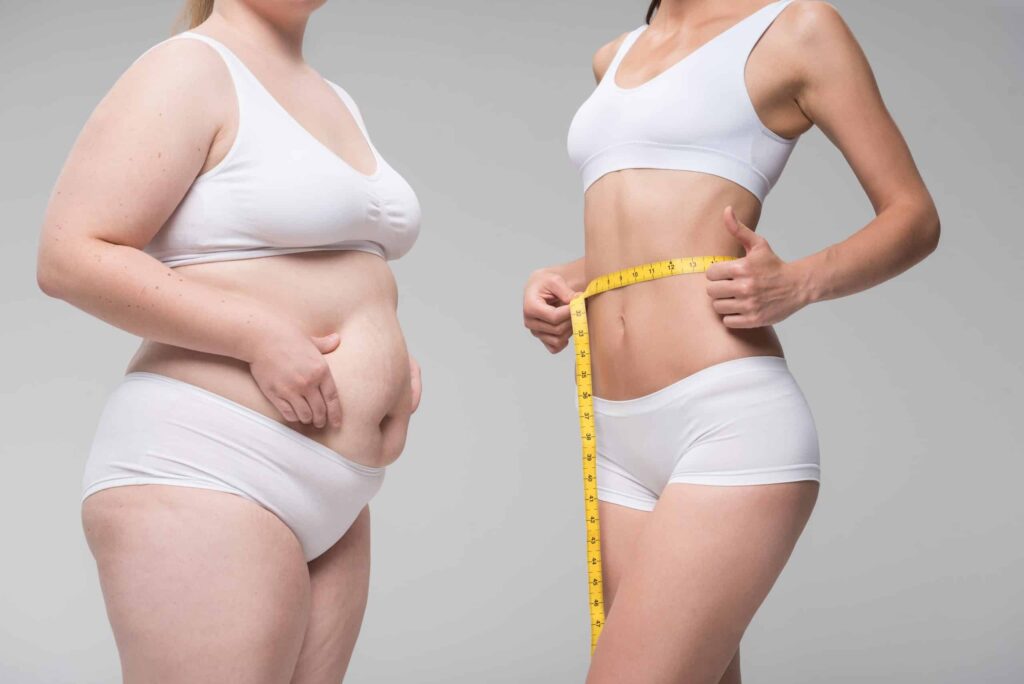
Age and Weight Stability
Candidates should be at least 18 years old. Weight should be stable for six months before surgery.
Fluctuating weight can affect results. Stability helps maintain post-surgery outcomes.
Emotional Readiness
Emotional readiness is crucial for successful surgery. Candidates must have realistic expectations about results.
Support systems like family or friends can help during recovery. Mental health plays a big role in overall satisfaction.
Post-Surgery Care
Post-surgery care involves follow-up visits and monitoring. Doctors provide guidelines on diet and exercise.
Proper care ensures long-term success. It minimizes risks of complications or dissatisfaction.
Impact on BMI Numbers
BMI Calculation
BMI stands for Body Mass Index. It is a measure of body fat based on height and weight. To calculate BMI, use the formula: weight (kg) / height (m)^2. For example, a person weighing 70 kg and 1.75 meters tall has a BMI of 22.9.
Ideal BMI Range
The ideal BMI range for liposuction candidates is typically between 18.5 and 30. Patients with a BMI above 30 may face higher risks during surgery. Those below 18.5 might not have enough body fat for the procedure.
Risks of High BMI
High BMI can lead to complications during liposuction. These include:
- Increased bleeding
- Longer recovery time
- Higher risk of infection
Patients with a high BMI should consider losing weight before the procedure.
Benefits of Lower BMI
Lower BMI offers several advantages for liposuction:
- Reduced surgical risks
- Faster recovery
- Better aesthetic results
Maintaining a lower BMI can improve overall health and enhance the outcomes of liposuction.
Real-Life Example
Consider Jane, who had a BMI of 32. Her surgeon advised her to lose weight before surgery. She managed to reduce her BMI to 28 through diet and exercise. Post-surgery, Jane experienced fewer complications and quicker recovery.
Pre-Surgical Evaluation
Surgeons evaluate patients’ BMI before deciding on liposuction. This helps in assessing:
- Suitability for surgery
- Potential risks
- Expected results
A thorough evaluation ensures patient safety and successful outcomes.
Long-Term Effects
Liposuction can impact long-term BMI numbers. Removing fat cells can lead to sustained weight loss if accompanied by healthy habits. However, poor lifestyle choices post-surgery can negate these benefits.
Emotional Impact
Patients often experience emotional benefits from improved BMI after liposuction. These include:
- Increased confidence
- Better self-esteem
- Enhanced body image
For many, achieving their desired body shape positively affects mental health.
High BMI Considerations
Health Risks
Individuals with a high BMI face increased health risks. These include heart disease, diabetes, and hypertension. Liposuction can help reduce these risks by removing excess fat. However, it is not a cure for obesity.
Doctors assess the patient’s overall health before proceeding. They consider factors like heart function and blood sugar levels. Patients with severe health issues may not qualify for the procedure.
Procedure Safety
Safety is a major concern for high BMI patients. The risk of complications increases with higher BMI. Surgeons must take extra precautions during the surgery.
They often use advanced techniques to minimize risks. These may include tumescent liposuction, which reduces blood loss. Anesthesia options are also carefully chosen to ensure safety.
Recovery Process
Recovery can be more challenging for high BMI patients. They may experience longer healing times and increased pain. Proper post-operative care is essential for a smooth recovery.
Patients should follow their doctor’s advice closely. This includes taking prescribed medications and attending follow-up appointments. Proper wound care and maintaining a healthy diet are crucial for recovery.
Realistic Expectations
High BMI patients should have realistic expectations about liposuction results. The procedure can improve body contour but will not lead to significant weight loss. It is important to understand that liposuction targets specific areas of fat.
Doctors usually recommend combining liposuction with lifestyle changes. These include regular exercise and a balanced diet. Patients who adopt these habits tend to maintain their results longer.
Psychological Impact
The psychological impact of liposuction can be significant. Many high BMI patients struggle with self-esteem issues. Liposuction can boost confidence and improve mental well-being.
However, it is not a solution for underlying emotional problems. Patients should seek counseling if they have severe body image issues. A holistic approach ensures better long-term results.
Cost Considerations
Liposuction costs vary based on several factors. High BMI patients may require more extensive procedures, leading to higher costs. Insurance typically does not cover cosmetic surgery, so patients must plan financially.
Lowering BMI Before Surgery
Importance of BMI
Lowering BMI is crucial for a safe liposuction process. A high BMI increases surgical risks. These include complications like infections and poor wound healing. Surgeons prefer patients with a lower BMI for better outcomes.
Diet Changes
Diet changes can help lower BMI. Reducing calorie intake is essential. Focus on eating more vegetables, fruits, and lean proteins. Avoid sugary drinks and junk food.
A balanced diet supports weight loss efforts. It also improves overall health before surgery.
Regular Exercise
Regular exercise is important for lowering BMI. Aim for at least 150 minutes of moderate activity each week. This includes activities like walking, cycling, or swimming.
Strength training can also help. Building muscle boosts metabolism, aiding in weight loss.
Medical Supervision
Medical supervision ensures safe weight loss. Consult a doctor before starting any weight loss plan. They can provide personalized advice and monitor progress.
Doctors may recommend:
- Nutritional counseling
- Physical therapy
- Prescription medications
Psychological Support
Psychological support plays a role in weight loss. Emotional factors often impact eating habits and motivation. Therapy or support groups can be beneficial.
Addressing emotional issues helps maintain long-term weight loss.
Timeline for Weight Loss
Setting a realistic timeline is key. Rapid weight loss can be harmful. Aim to lose 1-2 pounds per week. This gradual approach is safer and more sustainable.
By setting achievable goals, patients stay motivated and avoid burnout.
Monitoring Progress
Monitoring progress helps track success. Keep a journal of diet and exercise routines. Regular weigh-ins provide feedback on progress.
Use tools like fitness apps to stay organized and motivated.
Benefits of Lowered BMI
Lowering BMI has multiple benefits:
- Reduced surgical risks
- Improved overall health
- Enhanced recovery post-surgery
Achieving a healthy BMI makes the liposuction process smoother and safer.
Alternatives for High BMI
Non-Surgical Options
Diet and exercise are the first steps. Many turn to these methods to lower their BMI. A balanced diet can help reduce weight. Regular exercise burns calories and builds muscle.
e find success with meal planning and portion control. Apps like MyFitnessPal assist in tracking food intake. Others join fitness programs or hire personal trainers.
Medication
Doctors may prescribe weight-loss medication. These drugs aid in reducing appetite or increasing fullness. Orlistat is one example, approved by the FDA since 1999.
Patients must follow a doctor’s guidance. Medications work best with lifestyle changes. They often come with side effects like nausea or diarrhea.
Bariatric Surgery
Bariatric surgery is another option. This surgery helps people lose weight by changing the digestive system. It includes procedures like gastric bypass and sleeve gastrectomy.
The American Society for Metabolic and Bariatric Surgery states it suits those with a BMI of 40 or higher. Those with a BMI of 35-39.9 may qualify if they have obesity-related health issues.
Liposuction Limits
Liposuction has limits for high BMI patients. It is not a cure for obesity. Surgeons typically recommend it for those with a BMI below 30.
High BMI increases risks during surgery. Complications include infection and poor wound healing. Patients should discuss risks with their surgeon.
Lifestyle Changes
Lifestyle changes play a key role in managing BMI. Healthy eating habits and regular physical activity are essential.
Support groups offer motivation and accountability. Online communities provide tips and encouragement. Family and friends can also support lifestyle changes.
FAQs on BMI and Liposuction
BMI Definition
BMI stands for Body Mass Index. It is a measure of body fat based on height and weight. Doctors use it to assess if someone is underweight, normal weight, overweight, or obese.
A BMI between 18.5 and 24.9 is considered normal. A BMI over 30 indicates obesity.
Ideal BMI for Liposuction
Most surgeons prefer a BMI below 30 for liposuction. This ensures safer procedures and better results. Higher BMIs can increase surgical risks.
Patients with higher BMIs should consider losing weight before the procedure. This can improve outcomes and reduce complications.
Risks with High BMI
High BMI increases surgical risks. Patients may face:
- Longer recovery times
- Increased blood loss
- Higher infection rates
Surgeons often recommend alternative treatments for high BMI individuals.
Pre-Surgery Requirements
Before surgery, patients must meet certain criteria:
- Stable weight for six months
- Good overall health
- No serious medical conditions
These criteria help ensure patient safety during and after the procedure.
Post-Surgery Expectations
Recovery varies by individual. Most patients return to work within two weeks. Full recovery can take several months.
Patients should follow post-surgery instructions closely. This includes wearing compression garments and avoiding strenuous activities.
Emotional Considerations
Liposuction can impact emotional well-being. Many patients feel more confident after the procedure.
However, some may experience anxiety or depression during recovery. It’s important to have a support system in place.
Alternatives for High BMI
For those with high BMIs, other options exist:
- Diet and exercise programs
- Bariatric surgery
- Non-invasive fat reduction treatments
These alternatives can be effective in reducing body fat without surgery.
Final Remarks
Liposuction can be life-changing, but understanding BMI requirements is crucial. Your eligibility hinges on hitting the right numbers and prepping your body for the procedure. High BMI? Consider alternatives or work on lowering it first.
Ready to take the next step? Consult with a qualified surgeon to discuss your options. Remember, your health and safety come first. Got questions? Drop them below or reach out directly. We’re here to guide you on this transformative journey.
Frequently Asked Questions
What BMI is ideal for liposuction?
An ideal BMI for liposuction is generally between 18.5 and 30. Surgeons prefer patients within this range for optimal results and safety.
Can I get liposuction if my BMI is over 30?
Yes, but it’s riskier. Surgeons may recommend weight loss first to lower your BMI and minimize complications.
How does liposuction affect my BMI?
Liposuction removes fat, potentially lowering your BMI. However, it’s not a weight-loss solution; it’s for body contouring.
Why do surgeons consider BMI in liposuction?
BMI helps assess health risks and suitability for surgery. A lower BMI often means fewer complications and better outcomes.
Is it necessary to lower my BMI before liposuction?
Lowering your BMI can reduce surgical risks and improve results. Doctors often advise weight loss if your BMI is high.
Are there alternatives to liposuction for high BMI individuals?
Yes, options include diet, exercise, and non-surgical treatments like CoolSculpting. Consult a specialist for personalized advice.
How can I lower my BMI before surgery?
Adopt a healthy diet, regular exercise, and consult a healthcare provider for guidance on safe weight loss methods.