
Key Takeaways
- Filters and AI editing serve as a digital mirror that transforms how women view themselves, turning on-the-spot transformed pictures into a new baseline for everyday self-reflection.
- They create an idealized standard, focusing on things like symmetry and flawlessness. This creates even more pressure to emulate these edited looks with your conduct and cosmetic decisions.
- Repeated confrontation and self-comparison to filtered content can engender emotional disconnection and increasing dissatisfaction with one’s own natural features, even leading to body dysmorphia.
- Social feedback like likes and comments amplify filtered standards. Monitoring feelings and limiting exposure can minimize damaging comparisons.
- Platforms and users both have obligations to use ethically by fostering transparency, clearly marking edits, and having policies that safeguard mental health and consent.
- Actions to take are things like comparing unedited versus edited photos to build awareness, setting boundaries around filter use, supporting body positive campaigns celebrating all looks, and advocating for platforms to mark or restrict extreme filters.
How filters and AI editing change how women see themselves is by influencing societal beauty norms and personal self-perception. They manipulate skin tone, face, and body shape in images and video.
Its widespread use sets expectations and impacts mood, confidence, and social habits. Research connects regular edited pictures to increased self-criticism and modified social decisions.
The meat will explore sources, supporting research, and actionable advice for better media diets.
The Digital Mirror
The digital mirror details how AI and AR filters mirror and remold how women view themselves. Social media became the daily mirror, providing those photoshopped reflections instantly. The real-time editing obscures what is real and what has been manipulated. Repeated exposure to these edited images shifts our standards of how normal people look.
1. The Ideal Self
Filters generate a compressed visual representation of ‘perfection’ characteristics that are unattainable. Smooth skin, bigger eyes, smaller noses, plumper lips, whiter teeth — these are the most common edits that about half of users use before posting. Curated online identities drive users to a clean, filtered look across dozens of posts, which inflates the standard for what is considered beautiful.
The outcome is an ongoing effort to approximate a doctored photo, not a breathing countenance. In pursuing that ideal, we can find ourselves compulsively adjusting photos and profiles and even encouraging shifts in how people dress and pose and how makeup is applied to emulate filter effects.
2. The Real Self
The raw self frequently rebels against the curated self. When your reflections in mirrors and photographs differ from your online representations, a psychological divide can develop. That divide can lead to despair, humiliation, or a desire to disappear.
According to research, photo editing connects to objectifying your body, which fosters dissatisfaction. Contrasting before and after images can assist users in visualizing the magnitude of modifications and encourage critical contemplation regarding authenticity.
3. The Social Comparison
What’s worse, these filtered images feed comparison with friends, influencers, and celebrities. Likes and comments are fast feedback that helps to reinforce some looks. We’re still comparing our raw photos to their carefully manicured streams, which breeds jealousy and depression.
In time, staring at those retouched images over and over can begin to make your own prosaic features feel inadequate. Watching your mood post-scrolling can identify patterns of escalating insecurity associated with particular accounts or content types.
4. The Body Dysmorphia
Body dysmorphia is a terrifying thing and it’s obsessed with editing. Minute photo differences morph into big-time worries about how you actually look. Research demonstrates edited-image exposure correlates to diminished self-esteem and increased anxiety, especially in young women.
Warning signs are compulsive checking, mirror avoidance, and filter use to the point where it disrupts your life.
5. The Cosmetic Shift
Filters dictate makeup decisions by rendering some appearances chic. Demand for filter-like procedures, such as lip fillers, skin resurfacing, and rhinoplasty, has risen. Younger girls increasingly view cosmetic tinkerings as a means to bridge the divide between their digital and actual self-portraits.
The top filter-inspired procedures were dermal fillers, laser skin treatments, and non-surgical nose reshaping.
Redefined Beauty
The explosion of face filters and AI editing has changed what people consider beautiful. These tools change faces toward a narrow set of traits: smoother skin, larger eyes, sharper jaws, and near-perfect symmetry. The outcome is an ‘algorithmic’ aesthetic that users increasingly desire in images, videos, and even in person, via makeup, injections, and surgery.
This change is more than cosmetic. It influences the way women measure themselves against friends and celebrities as altered photos look more common and slicker than natural ones. AI beauty emphasizes symmetry and perfection. Algorithms trained on massive image datasets gravitate towards features that conform to a schema of symmetry and svelteness.
Filters quietly tweak face ratios, banish texture, and blur away wrinkles or blemishes. Research connects habitual consumption of these altered images to increased body dissatisfaction and self-comparison, particularly for young women. Clinicians and studies observe reactions that extend from reduced self-esteem to exploration of surgical modification.
The term “Snapchat Dysmorphia” captures this trend: patients request cosmetic surgery to match the filtered version of themselves. There is worry about an increase in body dysmorphic disorder and other mental health harms associated with extended viewing of curated aesthetics.
These digital ideals simultaneously push back on traditional beauty standards and constrict them. Beauty has long been relative — different standards for different cultures and eras — but today’s globalized, tech-shaped ideal disseminates rapidly across platforms. Others remove ethnic characteristics or even out skin tones and facial shapes, which can end up removing cultural distinctions and promoting a monoculture appearance.
At the same time, they can allow consumers to try out styles virtually in a safe and playful way. The crux is if emerging standards expand inclusivity or swap variety for one shiny standard. Taking the lead in creating conversations about natural and varied covers is important.
Users, platforms, clinicians, and brands can help by tagging edits, providing raw content, and backing media literacy in educational and professional settings. From platform policies that tag highly edited images to campaigns that display unprocessed and edited side-by-side visuals, and clinics that screen patients for filtered motivations.
Grassroots campaigns for body positivity and inclusivity push back against algorithmic imperatives by highlighting diverse skin colors, body types, ages, and characteristics. They hope to diminish the impossible expectations and decrease the patients pursuing surgery just to look like a picture.
Cultural Lens
Through cultural significance and everyday application, filters and AI editing mold self-perception. Unique to each culture, filters are interpreted and utilized in ways that mirror local beauty practices, ideals, and societal expectations.
In East Asia, smoothing skin, enlarging eyes, and slimming the jaw reverberate with historic ideals of white skin, refined features, and small faces. In parts of Latin America, a color-enhancing, makeup-enriched, curve-boosting filter fits with a culture that prizes bold color, expressive makeup, and strong curves. In some African societies, contrast-deepening filters or hair texture-enriching filters respond to pride in dark skin and diverse hairstyles.
These distinctions demonstrate that filters do not simply change faces; they imbue cultural selections around what features are coveted. Its culturally inspired filter features highlight common values. Smoother skin and brighter eyes broadcast youth and health in most locations.
Nose reshaping and jaw slimming embody ideals of sophistication or grace. Makeup filters are often reflective of locally trendy cosmetics styles, meaning a virtual red lip or winged liner can be a form of cultural signaling. Skin whitening filters show persistent color hierarchies. Filters that contribute gemstones or bling connect visage with prestige.
These characteristics inform people what their culture values and what audiences anticipate encountering. Western beauty standards disseminated worldwide via AI editing and filter templates. Global hubs and viral face models frequently use eurocentric ratios and proportions, and AI models trained on massive western datasets replicate those standards.
Consequently, individuals in developing areas are exposed to a constant stream of photographs that marginalize darker skin, wider noses, and larger bodies. This raises the stakes for women everywhere to submit, fuels insecurity, and renders indigenous standards more difficult to maintain.
The effect on mood or temperament is apparent. The ubiquity of beauty filters has raised worries about anxiety, low self-esteem, and warped reality, particularly for young women. Some believe that they have to apply filters in order to belong or be heard on the internet.
Others drift into more radical edits that alter facial structure or body shape. Continuous exposure to photoshopped images makes the real and altered begin to bleed together and can make ordinary looking feel like it’s not enough. Complaints about self-consciousness and damaged self-esteem are ubiquitous.
Online communities can normalize heavy editing, which perpetuates objectification and unattainable standards. Research is still lacking, and more work on mental health is needed to include different cultural contexts and age groups.
| Region/Country | Common Filter Trends |
|---|---|
| East Asia | Skin smoothing, eye enlargement, jaw slimming |
| Latin America | Color enhancement, makeup filters, accentuated curves |
| Sub-Saharan Africa | Contrast boost, hair texture emphasis, bold color |
| Europe | Subtle retouch, light contouring, naturalizing filters |
| South Asia | Skin lightening, eye definition, ornate makeup effects |
Generational Divide
Younger vs older women look at filters and AI editing differently, informed by habit, exposure, and cultural cues. Younger folks tend to view filters as toys, identity work, or self-branding. They were raised on filters that smooth skin, enlarge eyes and reconfigure features, so modifying seems natural and risk-free.
Studies indicate that they can modify perceptions and increase body image concerns with repeated viewing of digitally altered images. Young women are disproportionately present and older women are disproportionately absent online. That visibility gap informs what each group expects from beauty.
Older generations are far more wary of AI-edited photos. Most never experienced ubiquitous image editing until adulthood, so the transition can seem like a loss of authenticity. Skepticism is typically based on privacy concerns and a suspicion that the digital magic waters down faith in genuine photos.
Examples like those in which manipulated photographs are distributed without permission do real damage and stoke opposition. Angst over nonconsensual edits underscores the necessity of clearer norms and improved digital literacy on both sides of the generational divide.
Younger generations are familiar with self-editing because they associate it with social life and work. Teens use beauty image filters to conform, experiment with styles, or curate a smoothed-over feed for peers. Snapchat and its ilk are ubiquitous among teens.
Sixty-nine percent of U.S. Teens use Snapchat, for instance, and that common use accelerates the process of making manipulated images seem normal. Research suggests that only 45 minutes of online image exposure can change perceptions, which helps account for why young users might take edited appearances as standard.
Seniors are generally better at noticing manipulation and resisting peer pressure. They’re massively underrepresented in tech, which perpetuates ageism. AI instruments frequently develop images that depict women as being youthful, and platforms might algorithmically prefer youth.
That can exacerbate age-related sexism and cause older women to feel invisible or misinterpreted. That generational gap isn’t just a difference in taste; it’s a difference in power and presence online.
- Younger users exhibit high filter use, frequent posting, social validation, and higher exposure to manipulated images.
- Middle-aged users are selective in their use for professional or social reasons. They have mixed trust and concern about privacy.
- Older users have lower usage, higher skepticism, and greater sensitivity to consent and authenticity.
- Visibility gap: younger women overrepresented online, older women underrepresented.
- Harm risk: Nonconsensual edits cause distress across ages. The impact and reporting differ.
Where this divide counts is in setting standards for self-image, policy, and platform design. How we teach digital literacy, enforce consent, and measure representation will shift who feels seen and in what ways.
Ethical Questions
With the surge of filters and AI editing on social platforms, we’re facing fundamental ethical questions around truth, harm, control, and accountability. These tools change the way images objectify people and how audiences decode such images. That undermines trust between creators and audiences, and it alters social norms about what is acceptable to look like. Here are some of the big ones that demand clear-thinking, pragmatic answers.
Raise concerns about authenticity and honesty in filtered images.
Filtered images can often show you a version of yourself that is different from what you actually look like. Many profiles misreport basic attributes. A study found that 81% of profiles were inaccurate on height, weight, or age. AR filters modify facial features by narrowing noses or jawlines, and photo editing apps remove blemishes or alter body shape.
When most shared images are altered, we lose a baseline for what real faces are. That stokes ‘filter dysmorphia’ or ‘Snapchat dysmorphia,’ in which individuals pursue cosmetic adjustments to resemble their filtered selves. For professional or personal post readers, this translates into an expanding divide between private self and public persona, with consequences for confidence and community confidence.
Debate the responsibility of platforms in regulating filter use.
Platforms become gatekeepers for filter distribution and visibility. They determine which AR effects are accessible, how accessible dramatic edits are, and if apps tag modified photos. Responsibility divides among platform designers, advertisers, and creators.
Platforms could mandate labeling for photos that alter facial features, default to less heavy edits, or offer age-specific protections. They can support research into damages. Any policy has to walk this tightrope between user freedom and harm reduction. Universal platforms require universal rules that honor cultural differences, but employ metric standards and plain, straightforward labels that cross borders.
Question the impact of AI filters on mental health and consent.
Another reason to limit social media is that frequent use correlates with greater self-objectification and lower self-esteem. Fifty-nine percent of those in one study evidenced moderately high levels of self-objectification. Too much of this edited imagery sets unhealthy standards.
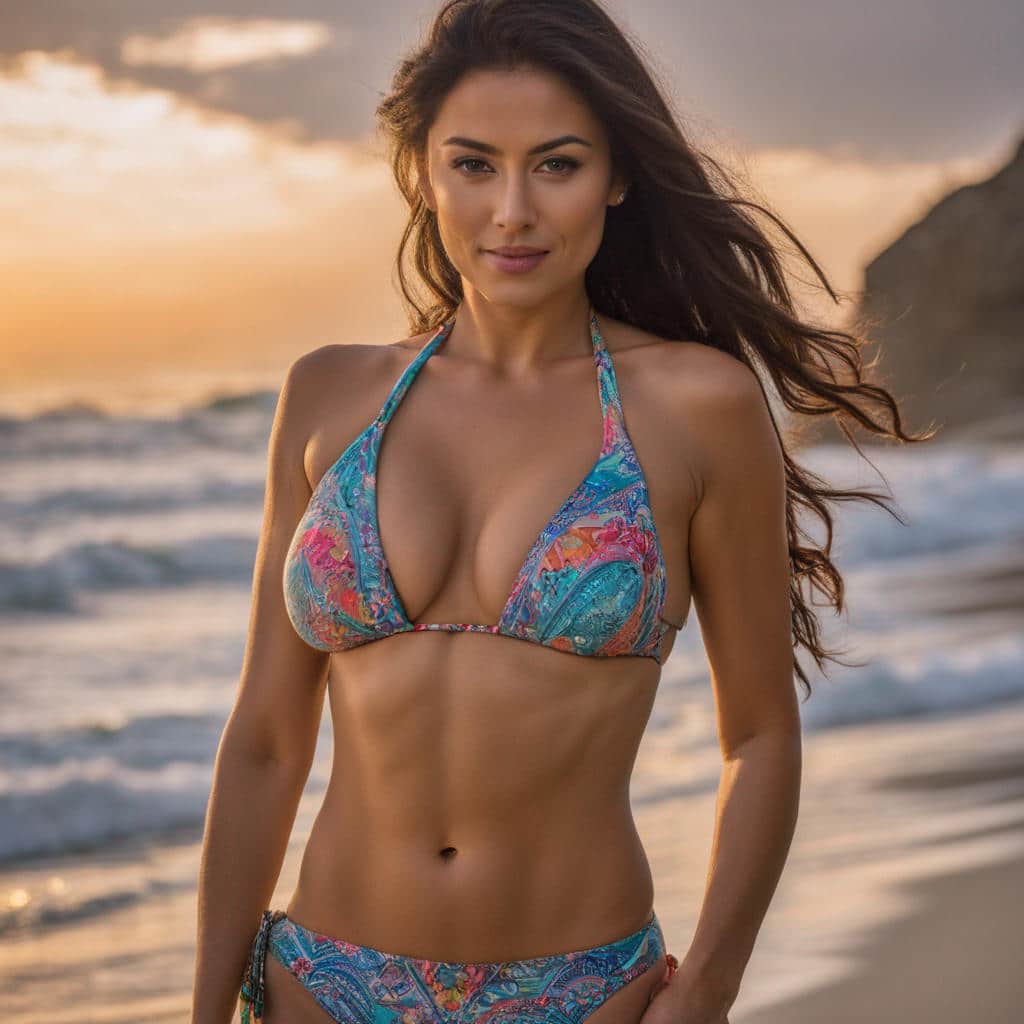
It is hurting our youth and causing comparison culture. Consent gets fuzzy when photos of others are manipulated or distributed without explicit permission. Retouching a person’s face or body can be misleading. Mental health experts advise limits. Use less time online, notice emotional reactions to filtered content, and take regular digital detoxes. These steps minimize exposure and provide room to reconstruct a more authentic self-image.
Propose guidelines for ethical filter application on social media.
Ethical questions need obvious, resistant to removal tagging on pictures that physically alter look. Provide opt-in educational nudges about filter bubbles and mental health dangers. Promote default options to display unedited photos unless a user selects filters.
Make reporting pathways when edits cause harm or misuse. Platforms ought to work with psychologists and a range of users to experiment with rules. Media literacy programs need to educate readers about how filters work and how to evaluate credibility. These actionable tips guide readers toward wise decisions and minimize the damage filters might inflict.
Reclaiming Reality
Filters and AI editing have transformed how women see their faces and bodies. Some clear rules and a few simple steps can support you as you decelerate the drift from real life to an endless curated feed. Let’s begin with edits visible. When people flag images as edited or include a brief comment about what was altered, viewers receive improved context for what is authentic.
Platforms can add simple labels for AI-edited images and demand creators disclose significant edits. This is important because a lot of users, particularly young women and girls, attempt to replicate filtered appearances in real life. Fifty-five percent of plastic surgeons in 2018 said selfies drove patient demand, a trend tied to ‘Snapchat Dysmorphia’. Daily filter and routine AR use makes that pressure feel normal.
Campaigns that promote natural beauty assist in changing social norms. Public initiatives can feature all sorts of faces, skin tones, and body types, including the scarier things like scars or stretch marks. Share true photo series from regular people, not just celebrities.
Run paid ads and team up with schools to educate kids about media literacy and visual literacy at scale. Examples include a global campaign that pairs unedited portraits with short personal stories or a platform feature that swaps curated highlights for a week-long “no-filter” showcase. These moves offer counterexamples to slick feeds and normalize imperfection.
Control filter by small, actionable habits. Set screen-time goals for notoriously heavily edited apps. Try one-week challenges where users post only unedited pictures, then talk about the experience.
Try device settings or browser extensions that blur augmented features before you launch an app, creating room to opt-in instead of reflexively responding. For parents, get kids to envision AR as fun but to distinguish play from self. Others point out AR advantages for children, such as imaginative play and role-play confidence, so moderation counts.
Both people and platforms can act to create healthier corners of the digital world. Platforms ought to simplify disclosure, invest in AI-generated image detection, and provide opt-in feeds for unfiltered content.
Creators ought to append brief captions about edits, why they employed them, and what is natural. Health professionals and educators ought to incorporate filter effects in body image curricula, referencing studies that demonstrate that constant filter use correlates with body dissatisfaction and low confidence.
Policies can incentivize research into how photorealistic AI images influence trust and self-perception because the boundary between reality and augmented identity is already tenuous and becoming more so.
Conclusion
About: how filters and ai editing change how women see themselves They alter what’s anticipated and what’s pursued. Bright skin, slim faces, and smooth hair create a new standard. Some discover entertaining, instant boosts. Others experience pressure, insecurity, or a disconnect between images and reality.
Seek balance. Turn edits into art or play. Bypass heavy edits before large instances, such as work pictures or dating profiles. Discuss with friends and children the distinction between reality and fabrication. Support creators who post raw photos and diverse bodies. Brands and platforms can prevent harm by labeling edits and slowing extreme filters.
Try one clear step: pick one photo a week to post without edits. Experience it.
Frequently Asked Questions
How do filters and AI editing affect women’s self-image?
How filters and AI editing change the way women see themselves. This drives comparison and deflates self-esteem, particularly when edits are subtle and ubiquitous.
Are certain age groups more influenced by these tools?
Yes. Younger users who were raised in the era of social media can internalize edited photos more. Older cohorts may be cynical but can nonetheless experience the shifting beauty standards as pressure.
Do cultural backgrounds change how women respond to edited images?
Yes. Cultural values define beauty ideals and edits’ effects. In certain cultures, the edited images can actually magnify some of these pressures. In others, they can bring novel, globalized ideals.
Can exposure to edited images cause mental health issues?
Repeated viewing can heighten anxiety, body dissatisfaction, and depressive symptoms. The impact is different for each person and their support systems, but dangers are established by studies.
What ethical concerns arise from AI face and body editing?
Critical concerns are consent, deception, age manipulation, and reinforcing tight standards of beauty. Transparency and rules are at the core of responsible use.
How can women protect their self-image online?
Limit time on appearance-centered platforms, follow a variety of creators, utilize media literacy add-ons, and find communities that value genuineness. Minor shifts can reduce damaging comparisons.
Are there benefits to AI editing and filters?
Yes. They provide an artistic outlet, confidence boosts for a few, and functional enhancements such as lighting correction. Conscientious use with mindfulness aids in optimizing advantages and minimizing damage.